How to Choose a Diamond Engagement Ring in 2026

Choosing a diamond engagement ring in 2026 is about balancing personal style, budget, and everyday comfort—not finding one universally perfect stone. The familiar 4Cs—cut, color, clarity, and carat weight—offer a useful starting point, but their importance depends on what you notice. Cut can affect how brightly a diamond reflects light; a slightly smaller stone may look lively without stretching your budget. There is no magic combination.

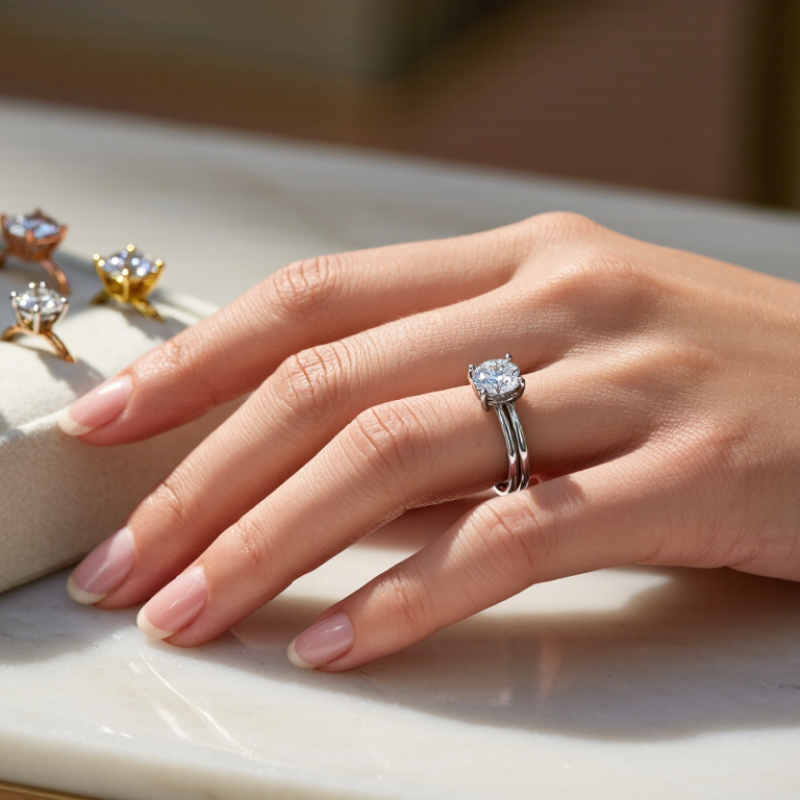
Before comparing prices, decide how the ring will be worn. A low-profile setting may feel practical for someone who works with their hands, while a raised design can catch on knitwear. Try different shapes and settings in person if possible. Even a few millimeters can change how a ring looks on your hand. It is easy to overfocus on carat weight; I would pause and ask whether that detail matters more than comfort or sparkle.

Ask for a diamond grading report from a recognized gemological laboratory, and check that its details match the stone being offered. A report helps describe a diamond, but it does not tell you whether you love its appearance. Compare stones under ordinary lighting, not just bright showroom spots. Also review the setting’s materials, workmanship, warranty, and return terms. For mined or lab-grown options, ask clear questions about origin and documentation rather than relying on vague labels. A jeweler should explain trade-offs without rushing you. Take notes, compare carefully, and leave room to change your mind.
How to Choose a Diamond Engagement Ring in 2026

Set Your Budget and Choose a Natural or Lab-Grown Diamond

Set the full-ring budget before browsing, not just the diamond budget. The setting, resizing, and insurance can add meaningful costs. Leave some room for small surprises. A narrow platinum band and a detailed pavé setting may cost more than a simple gold solitaire, even with the same center stone. Decide what matters most: carat size, cut quality, metal, or a design that feels personal. Cut strongly affects brightness, so compare stones in everyday lighting, not only under bright showroom spots.

Natural and lab-grown diamonds share the same crystal structure and comparable physical properties, but they form differently and often carry different prices. Lab-grown stones may let you consider a larger diamond or keep more money for the setting. Natural diamonds form over geological time and may appeal to buyers who value that origin. Ask for an independent grading report, then compare cut, color, clarity, and carat weight on similar terms. Check the report number against the stone, too. It is easy to get distracted by a bigger carat figure. Resale expectations deserve caution: future prices are uncertain, and neither origin guarantees a strong return. Choose the option whose cost and meaning feel comfortable, even if your first shortlist changes.

Select the Shape and Setting Before Comparing Diamond Quality

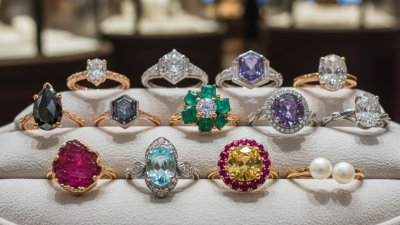
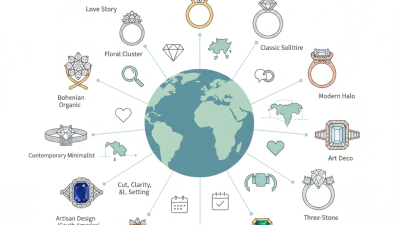
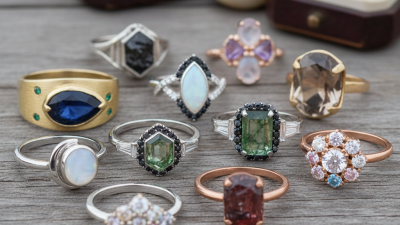
Choose the diamond’s outline and the ring’s architecture before judging its color or clarity. Shape determines the stone’s visual character; setting affects its height, protection, and how easily it catches on clothing. Try a round brilliant, oval, or emerald cut on the hand, not only in a display case. Finger width and stone proportions can change the look more than expected.

The Knot’s 2024 Real Weddings Study surveyed couples married in the United States in 2023 and reported an average engagement-ring spend of $5,500. Treat that figure as context, not a target: it reflects one survey group, not every buyer. Decide how much of your budget belongs to the setting before comparing stones. A detailed halo or custom setting can leave less room for a larger center diamond.

Look closely at how the setting supports the shape. Pointed pear and marquise tips benefit from protective prongs; a bezel can offer more coverage, though it changes the stone’s outline. Low settings feel less exposed, but may show less of the diamond from the side. GIA’s diamond-grading guidance explains how cut influences brightness and sparkle, especially for round brilliants. Fancy shapes vary more, so compare stones in person under neutral lighting. Small differences matter. I would not assume the most popular shape is the right one; personal taste can be difficult to quantify.

Apply GIA’s 4Cs: Cut, Color, Clarity, and Carat Weight

Use GIA’s 4Cs to compare diamonds, but decide which qualities matter most to you. Start with cut. GIA explains that cut affects a diamond’s brightness, fire, and sparkle; a well-cut stone can look lively in ordinary indoor light. Color grades run from colorless to light yellow, yet small differences can be hard to see once a stone is set. Compare stones side by side against a white background.

Clarity describes internal inclusions and surface blemishes. Ask to view the grading report and inspect the stone under magnification, then check whether any marks are visible without it.

Carat measures weight, not face-up size. Bain & Company’s 2023 Global Diamond Industry Report estimated rough-diamond production at about 111 million carats that year; this market-wide figure does not predict how large a finished stone will look.

Shape and proportions affect appearance, too. Set a budget before comparing options, and consider trading a slightly lower color or clarity grade for stronger cut quality. There is no flawless formula. View the actual diamond in daylight and warm indoor light before choosing.

Use GIA Benchmarks: D–Z Color, 11 Clarity Grades, and 0.2 g per Carat

When choosing a diamond engagement ring in 2026, use GIA’s grading benchmarks to compare stones consistently. Its color scale runs from D to Z: D–F are colorless, while G–J are near-colorless. The difference can be subtle in a bright showroom. Compare stones side by side under neutral lighting, especially if the setting is yellow gold, which can make warmth less obvious.

GIA’s clarity scale contains 11 grades, from Flawless to Included 3. Grades consider inclusions and blemishes, but a higher grade does not always mean a visibly better-looking diamond. Ask to inspect the stone under magnification, then look at it with the unaided eye. Tiny details matter. A grading report helps, though personal preference still plays a part.

Carat measures weight, not face-up size. GIA defines one carat as 0.2 grams, or 200 milligrams; a two-carat diamond weighs 0.4 grams. Cut proportions affect how large a stone appears from above, so compare its millimeter measurements as well as its carat weight. Scale isn’t everything. It is easy to fixate on a number and miss how the diamond looks on the hand.

How to Choose a Diamond Engagement Ring in 2026

Use carat weight as one comparison point: one carat equals 0.2 grams. GIA grades diamond color from D to Z and uses 11 clarity grades, from Flawless (FL) to Included 3 (I3). Consider all of these characteristics alongside cut and your preferences when comparing diamonds.

Verify the Grading Report, FTC Disclosures, and Return Policy

Before paying, ask for the diamond’s grading report and match its report number to the number laser-inscribed on the stone, if applicable. Confirm the listed shape, carat weight, color, clarity, and measurements. Check the issuing laboratory’s verification service directly; a printed copy alone is not proof. A grading report describes a stone, but it is not an appraisal or a promise of resale value. Small details matter.

Read the sales description carefully. For a U.S. purchase, look for clear disclosure of whether the diamond is mined or laboratory-grown, along with any treatments that affect its appearance or care. FTC jewelry guidance is a useful reference, but vague phrases can still leave questions. Ask the seller to explain unfamiliar terms in writing. Compare the description with the report, and pause if the two do not agree. I once focused too much on carat weight; the proportions changed how large the stone looked on a hand.

Get the return policy before ordering, not after the ring arrives. Check the return window, whether resizing or engraving limits eligibility, and who pays return shipping. Confirm when a refund is issued and whether any fee is withheld. Keep the report, receipt, and policy together, and photograph the ring when it arrives. Keep the paperwork. A clear policy should leave little room for guesswork.

one of a kind
Create a One Of a Kind

CUSTOM CRAFTED TIMELESS JEWELRY​

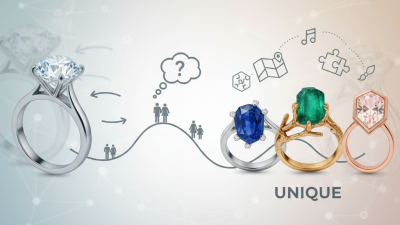
With our award-winning goldsmiths, the end result will be a tailor-made heirloom you and your loved ones will treasure for generations. Together we walk through the design process. We listen to you carefully. Discuss what you want and what you don’t, and provide an excellent collaborative experience to bring your vision to life.

location
We invite you to visit us today

Let us show you

From the moment you walk in, you are treated like family. We will make your jewelry shopping experience easy and help you find the perfect piece.

search