Choosing engagement wedding rings for global buyers involves more than comparing sparkle and price. The right decision combines personal meaning, verified quality, and practical ownership details. Buyers should examine diamond or gemstone reports from recognized independent laboratories. They should also confirm the ring’s metal purity, manufacturing origin, and warranty terms. These records create confidence when shopping across borders.
Fit matters greatly. A ring that feels perfect in a showroom may feel tight in humid weather. Measure the finger carefully, preferably at different times of day. Ask the seller about international sizing conversions and resizing limits. Some designs cannot be resized easily, especially eternity bands or intricate pavé settings. Small details matter.
Shipping deserves equal attention. Check delivery insurance, return conditions, taxes, duties, and repair support before paying. These policies differ between countries and may change without clear notice. Responsible sellers explain them in plain language. They should also provide detailed photographs, metal specifications, and realistic delivery estimates.
Style should reflect the wearer’s daily life. A low-profile setting may suit active work, while a raised halo design offers more visual drama. Platinum can provide durability, but it usually costs more than gold. Recycled metals may appeal to sustainability-minded buyers, although claims require credible documentation. Not every attractive promise deserves trust.
There is no universally perfect ring. Budget, culture, climate, and lifestyle can conflict. A thoughtful buyer accepts those compromises and records each decision. In the end, engagement wedding rings should feel beautiful, secure, and honestly represented. Romance matters, but evidence protects the investment.
Choosing an engagement wedding ring requires more than comparing carat weight or metal purity. Cultural meaning often guides the decision.
In many Western communities, a ring worn on the left hand represents commitment and continuity. However, this custom is not universal. Some couples prefer the right hand, while others avoid engagement rings entirely. In parts of South Asia, family traditions, gold purity, and gemstone colors can carry stronger meaning than a diamond. A sapphire may suggest loyalty. A ruby can express passion. These interpretations vary between families and regions.
The 2023 Real Weddings Study reported an average U.S. engagement-ring spend of about US$6,000. That figure is useful, but not a global rule. The World Gold Council recorded 2,092.6 tonnes of global jewelry demand in 2023, showing gold remains culturally significant worldwide. Buyers should also examine local preferences, ring sizing systems, religious customs, and repair access. A beautiful design can still fail if it feels culturally unfamiliar or is difficult to maintain.
Tips: Ask what the ring symbolizes in both families. Check which hand is customary locally. Compare gold purity standards before paying. Request clear gemstone documentation. Do not assume a diamond is always the most respectful choice. A colored stone, a plain gold band, or a family setting may feel more personal. My own caution is simple: cultural guides can simplify real lives, so listen before deciding.
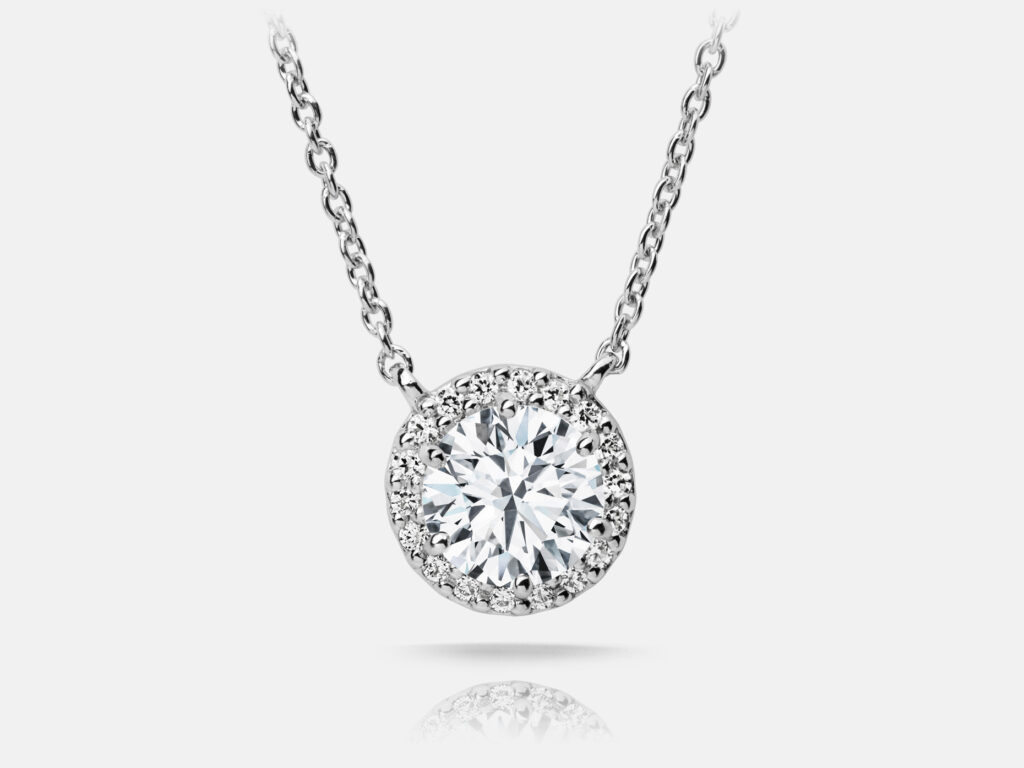
Ring structure can help global buyers connect design choices with widely recognized symbolism. A solitaire emphasizes individuality and focus, a halo design suggests radiance and abundance, a three-stone ring is commonly associated with the past, present, and future, while a toi et moi design represents the union of two people.
The chart counts principal stones rather than every accent stone. Cultural meanings vary by country, religion, family tradition, and personal preference, so buyers should treat these associations as guidance rather than universal rules.
Choosing an engagement ring for global purchase starts with a realistic budget, not a carat target. The Knot’s 2024 Real Weddings Study reported an average US engagement ring spend of about $5,500. That figure is useful, but it is not a global rule. Exchange rates, taxes, labor costs, and local customs can shift the final price sharply.
Compare value through four details: stone quality, metal weight, craftsmanship, and documentation. A smaller stone with strong color and clarity may look brighter than a larger, poorly cut stone. Ask for an independent grading report, a clear return policy, and the ring’s total weight. Bain & Company’s Global Diamond Industry reports show that diamond demand and pricing vary between regions, so online prices should not be compared without checking currency conversion and import charges. A low sticker price may become expensive at delivery.
Set a ceiling before browsing. Leave roughly 10% for resizing, insurance, or unexpected duties. For example, a $4,000 budget might allow $3,600 for the ring and $400 for related costs. That is not perfect planning, but it reduces pressure. I would also compare two or three markets using the same metal purity and stone specifications. Many buyers compare appearance only. That mistake is easy to make. A ring should fit the finger, lifestyle, and budget, not merely resemble a photograph.
Choose a metal by evidence, not only by color. Recycled gold can reduce new mining demand, but sellers should explain its recovery and refining process. Platinum offers durability and natural purity, while responsibly sourced silver may suit a smaller budget. Ask about metal composition, allergy risks, hallmarking, and care requirements. Local standards can differ. Confirm details before ordering.
Gemstone sourcing needs equal attention. Request information about the stone’s origin, treatment, and grading report. A reliable report should identify the gemstone clearly and describe its characteristics without exaggerated promises. For diamonds, ask whether the supply chain includes independent controls and documented origin information. Colored stones deserve careful questions too. Some have extensive treatments. Keep every document.
Ethical sourcing is more than a friendly sentence on a product page. Look for supplier policies, third-party audits, worker safety commitments, and traceable chain-of-custody records. Clear answers matter more than impressive wording. A seller should discuss environmental practices and disclose uncertainty honestly. No checklist is perfect. Records may still contain gaps, especially across several countries. That should invite further questions, not blind trust. An experienced buyer compares evidence, requests written details, and checks whether return terms protect the purchase. A beautiful ring should also feel responsibly chosen.
Choosing engagement or wedding rings for international buyers begins with accurate sizing. Ring sizes differ between countries, so never rely on a familiar number alone. Use a conversion chart that shows measurements in millimeters.
The inner circumference and inner diameter are especially helpful when comparing systems. A local jeweler can measure the finger professionally, which is safer than guessing at home. Fingers may swell during warm weather, after exercise, or late in the day. Measure more than once. Small errors matter.
Tips:
Measure the correct finger and hand. The same finger can vary slightly between hands. Avoid measuring cold fingers. Consider the ring’s width, too. Wide bands often feel tighter than narrow rings, so a slightly larger size may be more comfortable. Check whether the ring has a comfort-fit interior. It can change the fit.
When a buyer already owns a well-fitting ring, measuring its inner diameter can provide a useful reference. Still, this method is not perfect if the old ring has stretched, warped, or fits another finger. I have seen buyers trust an online chart too quickly.
That choice can create delays, extra shipping, or an uncomfortable ring. Ask the seller for exact sizing instructions and confirm the measurement system before ordering. Leave enough time for professional resizing, if needed. A careful fit supports daily comfort and makes the ring easier to wear across changing climates.
Quality should be checked beyond bright photographs and polished product descriptions. Ask for the exact metal type, purity mark, ring weight, and stone measurements. For diamonds or gemstones, request a report from an independent, recognized laboratory. The report number should match the inscription or documented stone details. Inspect clear images of the setting, prongs, inner band, and finished edges. Small flaws may not appear in filtered pictures. A practical mistake is trusting appearance before checking construction.
Certification should describe what it covers, not merely display an impressive-looking logo. Confirm whether the document verifies origin, treatment, grading, or metal purity. Requirements may differ between countries, so check your local customs guidance before payment. Reliable sellers should explain shipping carriers, tracking, insurance, estimated delivery dates, and signature requirements. Ask who handles duties or unexpected delivery charges. Delays happen.
Read the return policy slowly. Check the return window, item condition, refund method, and return address. Engraving, resizing, or custom production may limit returns. That detail can be easy to miss. Confirm whether a restocking fee applies and who pays return shipping. Save the invoice, certification, messages, and unboxing photographs. These records support a fair discussion if the ring arrives damaged or differs from the order. I would also ask for written confirmation before purchasing, because verbal promises are difficult to verify later.
With our award-winning goldsmiths, the end result will be a tailor-made heirloom you and your loved ones will treasure for generations. Together we walk through the design process. We listen to you carefully. Discuss what you want and what you don’t, and provide an excellent collaborative experience to bring your vision to life.
From the moment you walk in, you are treated like family. We will make your jewelry shopping experience easy and help you find the perfect piece.