How to Choose the Best Linen Fabric for Your Business Needs?
Choosing the right Linen fabric for your business is critical. Linen is known for its durability and breathability, making it a preferred choice in various industries. According to market reports from the Textile Research Journal, the global linen fabric market is expected to grow at a CAGR of 4.5% over the next five years. This growth is driven by increased consumer interest in sustainable and natural fibers.
When selecting linen fabric, consider your business's specific needs. High-quality linen offers a luxurious feel and elegant appearance but can come at a higher cost. The balance between quality and price is crucial. It's also important to assess the fabric's weave and weight, as they directly impact its functionality. A lightweight linen may be ideal for summer clothing, while heavier options could be better for home textiles.
Be aware that not all linen fabrics are created equal. Some may lack the strength or maintainability required for industrial applications. Conducting thorough research and sourcing from reputable suppliers becomes essential. The right linen fabric can elevate your brand's image, but the wrong choice might lead to dissatisfaction and wasted resources. Reflect on these factors as you make your decision.
Understanding the Different Types of Linen Fabrics Available
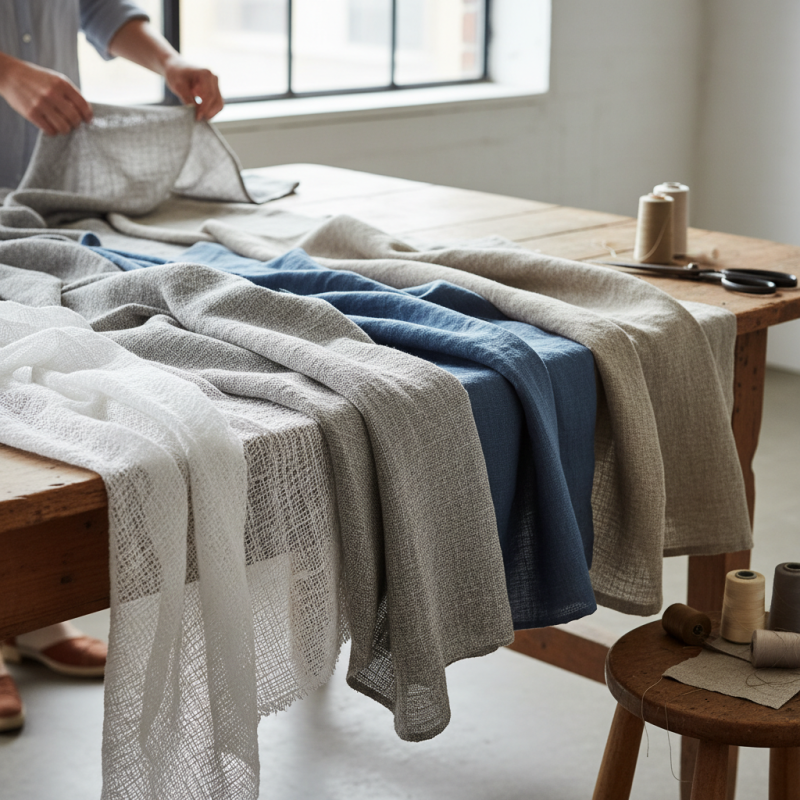
When selecting linen fabrics, understanding the different types available is crucial. Linen is renowned for its durability, breathability, and natural luster. However, not all linen is created equal. There are various weaves and finishes that can significantly impact the fabric's look and feel.
One common type is plain linen. It's straightforward and often more affordable. This fabric breathes well, making it excellent for summer garments. Then there’s a more luxurious option: sateen linen. It has a shiny surface that adds elegance but can be less durable. Users often struggle with the balance between cost and quality when choosing these fabrics.
Another type is linen blends. Mixing linen with other materials can enhance its properties. For instance, a cotton-linen blend offers increased softness and wrinkle resistance. However, these blends may lack the unique charm of pure linen. Experimenting with different types can lead to great discoveries, but it might also require reconsideration if you’re aiming for a specific appearance or texture. Each type presents its own challenges and advantages, making careful consideration essential.
How to Choose the Best Linen Fabric for Your Business Needs? - Understanding the Different Types of Linen Fabrics Available
| Type of Linen | Description | Best For | Durability |
| Pure Linen | Made from 100% flax, soft with a naturally textured finish. | High-end clothing, table linen, and home decor. | High - tends to last for many years. |
| Linen-Cotton Blend | A combination of linen and cotton for a softer feel and reduced wrinkling. | Casual wear and easy-care home textiles. | Medium - offers a balance between linen's rigidity and cotton's softness. |
| Washed Linen | Pre-washed for a relaxed look and extra softness. | Lounge wear and casual home products. | High - remains soft and durable after washing. |
| Linen Sateen | A lustrous finish on linen for a more formal appearance. | Dress shirts, formal wear, and upscale home linens. | High - maintains elegance and durability. |
| Technical Linen | Linen treated for water resistance and improved durability. | Outdoor clothing and functional textiles. | High - designed for rugged environments. |
Evaluating Fabric Quality: What to Look for in Linen
When evaluating linen fabric for your business needs, several quality indicators come into play. Start by examining the weave. A tighter weave typically indicates stronger fabric. Look for a balanced, consistent texture throughout the material. This ensures durability and longevity. Don’t overlook the thickness. Lightweight linen is breathable and ideal for summer, while heavier options provide insulation for colder months.
The feel of the fabric also matters. High-quality linen should feel soft and smooth to the touch. It should drape well without feeling stiff. Check for color consistency as well. Variations may suggest inferior workmanship. Remember, many factors impact the overall quality, including sourcing and production methods. Price alone doesn’t determine value. Sometimes, cheaper options could mean compromised integrity. Don't rush the decision. Testing the fabric through initial orders can provide insights into performance and durability in real-world applications.
Considering the End Use of Linen in Your Business
When considering the end use of linen in your business, it’s crucial to think about the specific applications of the fabric. According to the Textile Exchange's 2021 report, the global linen market is projected to grow steadily. This growth signifies the increasing demand for high-quality, eco-friendly fabrics. Different industries require varying qualities of linen. For instance, the fashion industry often seeks lightweight linen, while the home textiles sector prefers heavier, more durable options.
Understanding your target demographic is vital. For example, a report by Statista in 2022 indicated that 30% of consumers prioritize sustainability in their fabric choices. This shift in consumer preference is reshaping how businesses approach linen selection. If you're catering to eco-conscious consumers, opting for organic linen may be beneficial. However, pricing and sourcing challenges often arise. Balancing quality and cost requires careful consideration.
Pay attention to linen's properties when selecting fabric. It has natural moisture-wicking and breathable qualities, making it desirable for summer apparel. However, linen can wrinkle easily, which might not be preferred in certain applications, like formal wear. Reflecting on these factors can enhance your business approach, ensuring that the linen you choose serves your intended purpose effectively.
Assessing Linen Fabric Care and Maintenance Requirements
When selecting linen fabric for your business, care and maintenance are crucial. Linen is known for its durability and elegance, but it demands specific handling. Regular laundering can enhance its natural texture. However, improper care can lead to premature wear.
Focus on washing instructions. Use cold water and mild detergents to maintain fabric integrity. Overwashing may strip the linen of its natural oils, rendering it less vibrant. Consider air drying. Heat can cause shrinkage, so hang or lay flat for best results.
Tips: Always perform a patch test before applying stain removers. Test different detergents to find the one that works best. Monitor for signs of fading or wear over time. Knowing how to store linens is essential; avoid direct sunlight to prevent discoloration.
Budgeting for Linen Fabric: Cost vs. Quality Analysis
When considering linen fabric for business needs, the balance between cost and quality is crucial. Quality linen offers durability and a premium look. However, it tends to come at a higher price. Understanding your budget is the first step. Analyze how much you can invest without compromising quality. A wise spending decision can lead to better customer satisfaction.
Tips: Always ask for samples. This allows you to evaluate texture and weight. Make sure the fabric meets your needs before purchasing in bulk.
While cheaper options may seem tempting, they often don’t last. Inferior linen can lead to frequent replacements. Consider the long-term costs associated with lower-quality fabric. Sometimes, spending a bit more upfront is a better financial strategy.
Tips: Calculate the cost per use. A higher quality fabric might save you money over time. Don’t ignore the importance of supplier reputation. Reliable suppliers often ensure consistent quality and better service.