
How to Choose the Best Pink Maternity Dress?

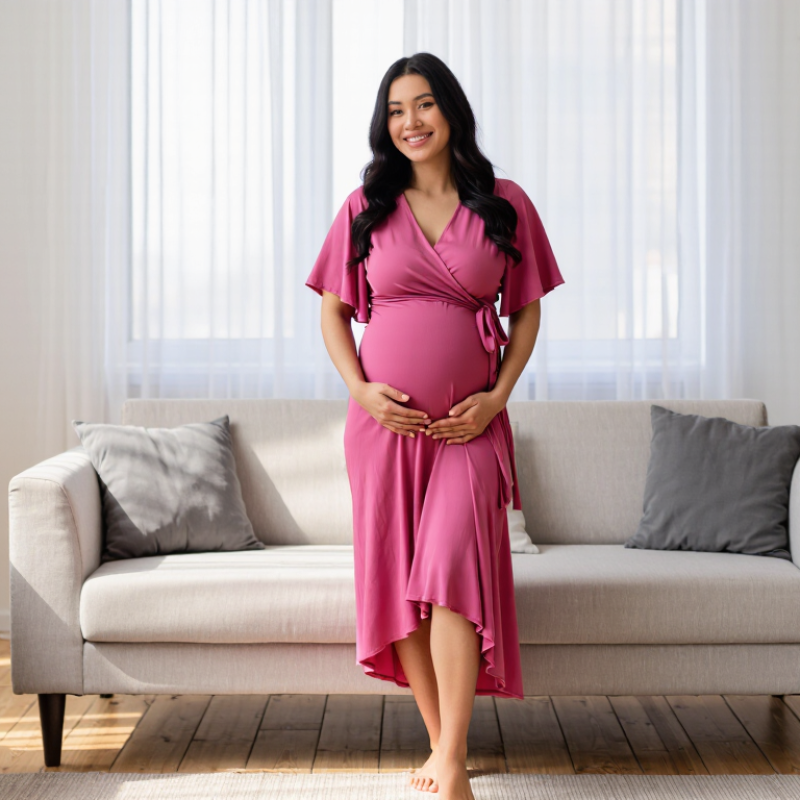
Choosing the best Pink Maternity Dress is not only a color decision. It is a practical search for comfort, confidence, and dependable fit during a changing pregnancy.

Rosie Pope, a maternity fashion designer and founder, is often associated with this advice: “Maternity clothes should make you feel like yourself, not like a different person.” That idea matters when selecting a dress for a baby shower, family photographs, work events, or a quiet dinner. The right design should follow your body without squeezing your ribs or stomach. Soft stretch fabric can accommodate growth. An adjustable waist gives more flexibility than a fixed seam. A wrap front may also make nursing easier after delivery.

Look closely at the fabric label. Breathable cotton blends can feel better in warm rooms. A small amount of elastane may improve recovery and movement. Check whether the lining feels rough against sensitive skin. Details matter.

Color changes with lighting.

A pale blush shade may look elegant outdoors but disappear in bright photographs. A deeper rose tone can provide stronger contrast against cream, gray, or navy accessories. Hem length deserves equal attention. A midi dress may offer coverage, while a shorter style can feel easier to move in.

Still, no checklist guarantees a perfect purchase. Online sizing can be inconsistent. Reviews may describe the same fabric differently. Measure your current body carefully, then compare those measurements with the seller’s chart. Do not rely only on your usual size. Comfort is personal, and pregnancy is unpredictable. The best Pink Maternity Dress is the one that supports real movement while preserving your individual style.
How to Choose the Best Pink Maternity Dress?

Understanding the Features of a Pink Maternity Dress

Choosing the best pink maternity dress starts with understanding how its features support a changing body. A flexible waist should sit comfortably above the bump, without pressing into the abdomen. Stretchy fabric helps the dress adapt through different pregnancy stages. Look for breathable materials, especially for warm weather or long events.

Soft seams matter more than decorative details. Rough stitching can irritate sensitive skin after several hours. A lined bodice may offer useful coverage, while adjustable straps can improve comfort as the bust changes. A pink maternity dress should also suit your daily needs. A loose, flowing cut works well for casual wear, but a structured shape may feel more suitable for photographs or formal occasions.

Check the neckline and opening carefully if nursing access matters after delivery. Hidden zippers, wrap fronts, and overlapping panels can make feeding easier. The skirt length deserves attention too. A hem that seems safe indoors may become awkward on stairs or uneven ground. I once overlooked pocket placement, then realized that small pockets can be surprisingly practical. Still, pockets may pull the fabric down when filled. Choose washable fabric and clear care instructions, because frequent cleaning can affect softness and color. Online images can misrepresent pink shades, so checking measurements and customer photos is wise. My preference may not suit everyone; comfort, climate, body shape, and the event should guide the final choice.

Choosing the Right Shade of Pink for Your Skin Tone

How to Choose the Best Pink Maternity Dress?

Choosing the Right Shade of Pink for Your Skin Tone

Pink can look completely different under changing light. Start by checking your skin’s undertone, not only its surface color. Blue or purple veins often suggest cool undertones. Greenish veins may indicate warm undertones. If both appear visible, you may have a neutral undertone.

Cool undertones often suit rose, raspberry, dusty pink, and soft mauve. Warm undertones can glow in coral, peach, salmon, and warm blush. Neutral undertones usually have more freedom. Try balanced shades like classic pink or muted rose. Trust daylight. Store lighting can make pale pink look brighter than it really is.

Hold the dress near your face without wearing makeup. Notice whether your skin looks fresh, dull, red, or unusually pale. A simple cotton scarf can help you compare two shades. Soft contrast works. Very pale pink may wash out fair skin, while neon pink can overpower deeper complexions. Still, these are guidelines, not strict rules.

During maternity fittings, I have noticed that color matters less when the neckline and fabric fit well. A comfortable dress can make an unfamiliar shade feel more natural. I once rejected a warm pink too quickly because indoor lighting made it look orange. In daylight, it worked beautifully. My first judgment was wrong. Check the shade beside your face, then sit, walk, and view it from several angles. Fit still matters.

How to Choose the Best Pink Maternity Dress? Choosing the Right Shade of Pink for Your Skin Tone

Skin Tone Common Undertone Clues Pink Shades to Try Shade Examples Why It Works Maternity Dress Styling Tip
Very Fair to Fair Skin may appear pale or porcelain. Veins often look blue or purple, and silver jewelry may be especially flattering. Soft pink, ballet pink, cool rose, dusty rose, and muted mauve. Soft pink
Dusty rose
Light and softened pinks can complement fair skin without creating an overly harsh contrast. Choose a lined dress or a slightly deeper rose shade when the fabric is very light, as pale pink can be somewhat sheer.
Fair to Light with Cool Undertones Pink or rosy surface tones; blue or purple-looking veins; cool colors may make the complexion look brighter. Cool blush, mauve pink, raspberry, and blue-based rose. Mauve pink
Raspberry
Blue-based pinks harmonize with cool undertones and help avoid a yellow or washed-out appearance. Pair the dress with silver-toned accessories and cool neutral shoes for a coordinated look.
Fair to Light with Warm Undertones Peach, golden, or yellow hints in the skin; veins may appear greenish; warm metals can be flattering. Peach pink, salmon pink, warm blush, and soft coral. Salmon pink
Soft coral
Warm pinks echo golden or peach undertones and create a naturally balanced appearance. Look for breathable fabrics and a wrap or empire waist that allows comfortable adjustment during pregnancy.
Medium or Olive Skin may have beige, golden, or greenish hints. Both gold and silver jewelry can work depending on the undertone. Dusty rose, coral pink, watermelon pink, and medium rose. Dusty rose
Coral pink
Medium-depth pinks provide visible color while maintaining a natural relationship with the skin. Try a V-neckline or open neckline to create vertical lines and balance the volume of a fuller skirt.
Medium with Cool Undertones Rosy or neutral-cool appearance; veins may look blue-green; jewel tones often provide flattering contrast. Berry pink, mauve, cool rose, raspberry, and cranberry pink. Cool mauve
Raspberry
Cool, moderately saturated pinks complement the undertone and offer definition without overpowering the complexion. A solid-color dress can look polished; add a soft neutral cardigan if extra coverage is needed.
Medium with Warm Undertones Golden, honey, or peachy hints; veins may appear green; earthy and warm colors often look harmonious. Coral pink, salmon, warm rose, watermelon, and terracotta pink. Salmon
Coral pink
Warm, lively pinks enhance golden undertones and add brightness to the overall outfit. Use lightweight, stretchable fabric and avoid excessive embellishment around the waist for a streamlined silhouette.
Deep or Rich Skin ranges from deep brown to rich ebony, with undertones that may be neutral, cool, warm, or golden. Magenta, fuchsia, raspberry, vivid rose, and deep berry pink. Magenta
Fuchsia
Clear, saturated pinks create elegant contrast and help the dress remain visually distinct from the skin. For formal occasions, select a structured neckline or flowing floor-length style in a vivid or jewel-toned pink.
Deep with Neutral Undertones The complexion appears balanced between warm and cool, and a wide range of colors may look natural. Dusty rose, hot pink, magenta, berry, and balanced medium pink. Dusty rose
Magenta
Both muted and vivid pinks can work; the best choice depends on the desired level of contrast and formality. Choose the intensity of pink based on the occasion: muted rose for daytime and saturated pink for evening events.
Quick selection method: Check the dress color in natural daylight and hold it near your face without makeup. The most flattering pink usually makes the skin look even and lively, rather than dull, gray, or overly yellow. Comfort also matters: prioritize stretch, breathable fabric, adjustable details, and enough room for the growing bump.

Selecting a Comfortable Fit for Every Stage of Pregnancy

How to Choose the Best Pink Maternity Dress?

Pregnancy changes your body gradually, so comfort should guide every fitting decision. A pink maternity dress should feel gentle across your belly, bust, shoulders, and hips. During early pregnancy, a softly shaped dress may fit well without looking oversized. As your bump grows, flexible fabric and side gathering can provide extra room. Look for breathable materials that move easily and reduce heat around your skin. Adjustable waist ties are useful because your shape may change weekly. I have learned that a beautiful dress becomes frustrating when its seams press into the belly.

During the second and third trimesters, check the dress while sitting, walking, and reaching forward. The hem should not restrict your steps or create a tripping risk. A slightly longer front can keep coverage comfortable as your bump grows.

Choose wider shoulder straps if your bust feels heavier. For sensitive skin, smooth stitching and soft linings may prevent irritation. Nursing-friendly openings can also extend the dress’s usefulness after delivery. However, sizing is not perfectly predictable. Always compare measurements with the garment’s size guide, and consider your current stage rather than guessing.

Tips:

Try the dress with the undergarments you normally wear. Bend and sit before buying. Leave gentle room at the waist, but avoid excess fabric around your feet. Select a shade of pink that suits your wardrobe and feels easy to wear. If discomfort continues, ask a qualified healthcare professional for personal guidance.

Comparing Fabrics, Styles, and Practical Design Details

How to Choose the Best Pink Maternity Dress?

Fabric affects comfort more than color. Soft cotton jersey feels breathable during warm days, while modal blends usually offer a smoother drape. A small amount of elastane helps the dress stretch without losing shape. Check the fabric label carefully. Dense polyester may trap heat, especially during late pregnancy. However, lightweight polyester can resist wrinkles and dry quickly after washing. I once underestimated seam irritation around the waist. Flat seams and soft inner labels matter more than they appear. Choose a lining when the pink fabric looks sheer in daylight.

Style should support movement, changing body proportions, and personal confidence. Side ruching can grow with the bump, while an empire waist creates gentle space below the bust. Wrap designs offer adjustable coverage, but loose ties may shift when walking. For nursing, discreet lift-up panels or crossover openings are useful after delivery. Look for wide straps, a supportive neckline, and enough room across the shoulders. Pockets are practical, though heavy items can pull the skirt unevenly. A midi length often works well with flats, but test the hem on stairs. My preference is not always reliable; some people find ruching restrictive. Try sitting, bending, and reaching before removing the tag. Wash the dress according to its care instructions, then check whether the pink shade changes or the seams twist.

Checking Quality, Care Requirements, and Overall Value

How to Choose the Best Pink Maternity Dress?

Quality should be judged by touch, stitching, and recovery, not color alone. Run your fingers over the fabric. It should feel smooth, flexible, and breathable against sensitive skin. Inspect side seams, hems, and the chest area for loose threads. A well-placed stretch panel should support your changing body without digging into your ribs.

Textile Exchange’s 2024 Materials Market Report recorded 124 million tonnes of global fiber production in 2023. That figure makes durability worth considering, even for one maternity garment. A dress worn repeatedly creates better value than a cheaper dress worn once.

Care instructions also affect real cost. Look for clear washing symbols and fabric percentages on the label. Machine-washable material can save time, but delicate stretch fibers may lose shape in hot water. Wash the dress inside out, use a mild detergent, and air-dry it away from direct sunlight. Pink dyes can fade unevenly. That detail is easy to miss.

WRAP’s clothing research indicates that extending a garment’s life by nine months can reduce its carbon, water, and waste footprints by about 20–30%. These figures do not guarantee perfect sustainability, but they support careful ownership.

I once chose softness over seam strength and regretted it after several wears. Check whether the fabric becomes transparent when stretched. Consider nursing access, adjustable waist features, and postpartum comfort before buying. A slightly higher price may be sensible if the dress remains wearable after pregnancy.

Still, expensive does not automatically mean better. Compare construction, care demands, fit flexibility, and expected wear.

one of a kind
Create a One Of a Kind

CUSTOM CRAFTED TIMELESS JEWELRY​

With our award-winning goldsmiths, the end result will be a tailor-made heirloom you and your loved ones will treasure for generations. Together we walk through the design process. We listen to you carefully. Discuss what you want and what you don’t, and provide an excellent collaborative experience to bring your vision to life.

location
We invite you to visit us today

Let us show you

From the moment you walk in, you are treated like family. We will make your jewelry shopping experience easy and help you find the perfect piece.

search