Choosing the best Poly Net Fabric for global sourcing requires more than comparing price per roll. The right material must perform in its intended environment. Outdoor screens may need UV stability, controlled mesh openings, tear resistance, and reliable color retention. Agricultural covers require airflow, light transmission, and consistent tensile strength. Packaging applications may prioritize flexibility, weldability, and low weight. Small differences in yarn denier can change handling and service life.
Dr. Behnam Pourdeyhimi, a respected textile engineer, captures this principle clearly: “A material should be judged by its performance, not its appearance.” Buyers should request samples, technical data sheets, test reports, and production references before approving a supplier. Check mesh count, aperture size, GSM, edge finishing, roll length, and allowable tolerances. Ask how the Poly Net Fabric is tested during production. A polished sample can still hide uneven knitting or weak selvage.
Global sourcing adds practical pressure. Suppliers must communicate clearly, document specifications, and support consistent repeat orders. Confirm packaging details, shipment conditions, labeling, and applicable market requirements. Do not rely on attractive photographs. They are not evidence. A useful comparison sheet can reveal meaningful differences between factories. Record sample results, not just promises. Some buyers, including experienced ones, learn this too late. I would also challenge one common assumption: the lowest quoted price is rarely the lowest total cost. Rejected rolls, delayed shipments, and unstable quality can quickly exceed the initial savings. Careful testing feels slower, but it usually creates a safer and more reliable sourcing decision.
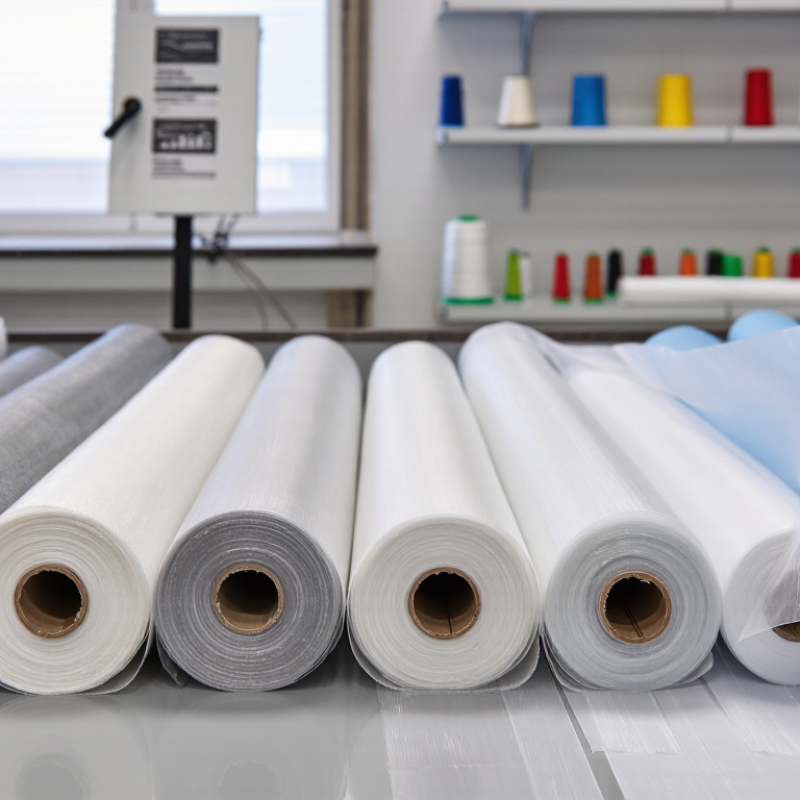
Poly net fabric is an open, flexible mesh made mainly from polyethylene or polypropylene. Its strands are extruded, woven, knitted, or welded into regular openings. These openings control airflow, light, drainage, and visibility. The fabric may feel soft like garden netting or firm like construction mesh.
Its uses are practical and varied. Farmers use it for crop support, bird protection, wind reduction, and shade control. Aquaculture operators use stronger mesh for containment and filtration. Construction sites use heavier grades for debris screening and temporary barriers. Packaging suppliers may select it for produce bags or protective wrapping. The right structure depends on aperture size, tensile strength, UV exposure, and contact with moisture.
The OECD Global Plastics Outlook reports that global plastic production reached 460 million tonnes in 2019. This scale makes material efficiency important during sourcing. The Food and Agriculture Organization also highlights protected cultivation and efficient resource use as growing agricultural priorities. Yet, recycled content is not automatically better. It can reduce consistency, strength, or color stability. That assumption needs testing.
Request denier, mesh opening, weight, UV test results, and batch samples before approval. Check whether the supplier measures width under tension or relaxed. Small differences can affect installation and performance. I have found that a cheaper mesh often fails at the edges first. That detail is easy to miss. Specification sheets should be verified through independent laboratory testing when the application is safety-sensitive.
| Poly Net Fabric Type | Typical Polymer | Typical Mesh Opening | Typical Weight | Key Properties | Common Applications | Global Sourcing Considerations |
|---|---|---|---|---|---|---|
| HDPE Knitted Netting | High-density polyethylene | Approximately 1–10 mm | 40–180 g/m² | Lightweight, flexible, moisture-resistant, good abrasion resistance | Agricultural protection, shade structures, packaging, temporary barriers | Confirm UV stabilization, edge finishing, roll width, and percentage of recycled content. |
| Polyester Mesh Fabric | Polyester | Approximately 0.1–5 mm | 60–250 g/m² | Good dimensional stability, tensile strength, and resistance to stretching | Industrial filtration, sports products, bags, screens, protective covers | Specify yarn diameter, mesh count, finishing process, and allowable dimensional tolerance. |
| Polypropylene Net Fabric | Polypropylene | Approximately 2–20 mm | 35–160 g/m² | Low density, economical, chemical resistance, low moisture absorption | Produce bags, agricultural netting, construction safety products, cargo restraint | Evaluate operating temperature, UV package, knot strength, and compliance requirements. |
| Raschel Knitted Netting | HDPE or polypropylene | Approximately 1–15 mm | 50–220 g/m² | Efficient production, flexible construction, tear resistance, customizable openness | Shade netting, windbreaks, scaffolding screens, sports and leisure products | Compare shade percentage, fabric width, selvedge quality, and resistance to unraveling. |
| Woven Poly Net Fabric | HDPE, polypropylene, or polyester | Approximately 0.5–8 mm | 70–300 g/m² | Stable dimensions, clean apertures, consistent construction, easy to laminate | Industrial screens, packaging, filtration support, protective partitions | Request data for mesh count, tensile strength in both directions, and coating adhesion. |
| UV-Stabilized Outdoor Netting | UV-treated HDPE or polypropylene | Approximately 1–12 mm | 60–240 g/m² | Improved resistance to sunlight, weathering, and outdoor aging | Greenhouses, crop protection, construction sites, outdoor storage, fencing | Ask for UV exposure test results, intended service life, color stability, and installation conditions. |
| Flame-Retardant Poly Mesh | Treated polyester or specialty polyolefin | Approximately 0.5–6 mm | 90–280 g/m² | Reduced flame spread when tested under a specified standard | Event structures, interior partitions, industrial screens, transport applications | Never rely on the term “flame-retardant” alone; verify the exact test method, certificate, and market regulation. |
When choosing poly net fabric for global sourcing, start with the polymer, not the appearance. High-density polyethylene offers strong tensile performance and good outdoor stability. Polypropylene is lighter and often more economical. Low-density polyethylene feels softer, but it may stretch more under continuous load. A thicker thread is not automatically better. A dense, heavy net can restrict airflow and increase shipping costs.
Construction features often decide whether the fabric survives real use. Check mesh opening size, thread diameter, knot structure, and edge reinforcement. Knotless knitted nets usually reduce snagging and provide a smoother surface. Woven nets can offer firmer dimensions, although their edges may need stronger binding. Look for UV stabilizers when the fabric will face sunlight. Ask for measured tensile strength, elongation, tear resistance, and weight per square meter. Supplier claims alone are not enough.
During sample checks, I compare the stated mesh size with a ruler and inspect several areas, not just the center. Uneven openings can reveal unstable production. I also rub the fabric against a rough surface and examine broken threads. This simple test is imperfect, but useful. Color can fade while strength remains acceptable, or the reverse can happen. Request production samples, test reports, and clear tolerances before approving an order. Packaging, moisture protection, and consistent labeling also matter during long-distance transport.
Material selection affects weight, thermal processing, moisture behavior, and long-term durability. The chart shows representative midpoint values for common polymer families used in net fabrics; actual results vary by grade, additives, yarn construction, and finishing.
What to check beyond the polymer: mesh opening and dimensional stability determine airflow and screening performance; yarn denier and tensile construction affect strength; UV stabilizers are important for outdoor exposure; coatings, selvage design, and heat-setting influence abrasion resistance, roll consistency, and installation quality.
Reference values shown: typical generic polymer-property midpoints. Density is measured in g/cm³ and melting point in °C. These are material reference values, not finished-fabric specifications.
Choosing poly net fabric for global sourcing requires more than comparing price per kilogram. Textile Exchange’s 2024 Materials Market Report states that polyester represented 57% of global fiber production in 2023. That scale increases supply options, but also increases verification risks. Compare suppliers using the same specification sheet: polymer type, denier, mesh opening, fabric width, weight, tensile strength, and color tolerance. Request production samples from different lots. One sample proves very little.
Certifications need careful reading. Check the certificate holder, facility address, scope, expiry date, and covered processes. GRS can support recycled-content and chain-of-custody claims, while OEKO-TEX STANDARD 100 addresses tested harmful substances. Neither certificate automatically proves stable mesh quality.
A practical supplier audit should include machine counts, working widths, monthly output, current utilization, and backup capacity. Ask for recent inspection records, not only presentation slides. Capacity figures can be optimistic.
Lead time deserves equal attention. Ask how the supplier handles resin shortages, mold replacement, power interruptions, and urgent reorders. A factory producing 300 tons monthly may still lack space for your schedule. Review at least three production batches and measure shrinkage after washing or heat exposure. A common mistake is trusting a polished sample too quickly. I would also document every assumption, because “standard quality” means different things across markets. Supplier comparison becomes stronger when evidence replaces confident promises.
When choosing poly net fabric for global sourcing, sample verification should begin with measurable facts. Textile Exchange’s Materials Market Report 2024 estimates that global fiber production reached 124 million tonnes in 2023. Polyester represented 57% of that volume. Scale does not guarantee consistency. A sample can still lie.
Request samples from different production lots, not one selected roll. Measure mesh opening, yarn diameter, fabric width, and weight per square metre. Record results before washing. Then wash samples using ISO 6330 procedures and measure shrinkage, distortion, and color change. Small differences can become serious during cutting or installation. I have seen acceptable-looking mesh lose its shape after heat exposure.
Performance testing should match the final application. Use ISO 13934-1 or ASTM D5034 for tensile strength, and ISO 13937-3 for tear resistance. Check seam strength separately. Mesh may pass fabric testing but fail around stitched edges. For outdoor use, request UV-aging data, abrasion results, and temperature exposure records. Do not accept vague claims such as “weatherproof.”
Ask for test reports from an ISO/IEC 17025-accredited laboratory. Confirm the test method, conditioning temperature, sample direction, and failure point. Compare at least three specimens per direction when practical. One test is not enough. Supplier inspection should also verify roll length, stains, blocked mesh, and uneven coating. The imperfect part is unavoidable: laboratory results cannot fully reproduce shipping, storage, or field installation. Build a tolerance range, document every deviation, and approve production only against a retained reference sample.
Choosing the best poly net fabric for global sourcing starts with landed cost, not the factory quotation. Compare denier, mesh size, fabric width, coating, UV resistance, and roll length. A lower price may hide heavier packaging or shorter rolls. I have seen a small difference in roll diameter increase container usage significantly.
Request a sample roll before approval. Measure its weight, open area, tensile strength, and edge stability. Ask for recent test reports from a competent laboratory. Calculate the full cost: fabric, cutting, packing, inland transport, ocean freight, insurance, duties, and inspection. Use the same specifications for every supplier. Otherwise, the comparison becomes unreliable.
Logistics can change the decision. Confirm roll dimensions, gross weight, moisture protection, pallet requirements, and loading quantity. Poly net fabric should arrive dry and free from crushing. Check the destination country’s import requirements before production. Confirm the likely HS classification with a customs professional, then prepare the commercial invoice, packing list, origin documents, and applicable test records. Product labeling and chemical compliance may also apply. Requirements vary by country and end use. I once focused too heavily on unit price and overlooked port charges. That mistake was avoidable. Leave room for currency changes, inspections, and delayed customs clearance. A written specification sheet, signed sample, and pre-shipment inspection create stronger evidence when quality disputes occur.
With our award-winning goldsmiths, the end result will be a tailor-made heirloom you and your loved ones will treasure for generations. Together we walk through the design process. We listen to you carefully. Discuss what you want and what you don’t, and provide an excellent collaborative experience to bring your vision to life.
From the moment you walk in, you are treated like family. We will make your jewelry shopping experience easy and help you find the perfect piece.