Choosing an engagement ring can feel romantic, personal, and unexpectedly complicated. The ring must suit a finger, a lifestyle, and a relationship. It also carries financial weight. This guide explains what engagement rings represent and how to choose one with greater confidence.
“An engagement ring should be a reflection of the person wearing it, not just the person buying it,” says jewelry expert Neil Lane. That principle offers a useful starting point. A delicate solitaire may suit someone who prefers quiet elegance. A low-set design may work better for an active professional who uses their hands daily. Small details matter, including metal color, band width, stone shape, and setting height.
Start with observation, not assumptions. Notice the jewelry your partner already wears. Is it yellow gold, platinum, or mixed metal? Do they choose clean lines or detailed designs? A trusted jeweler can explain durability, diamond grading, gemstone treatments, and maintenance requirements. GIA standards can also help shoppers compare the four Cs: cut, color, clarity, and carat weight.
There is no perfect formula. Really.
A larger stone does not automatically create a better ring. A higher price does not guarantee emotional meaning. Even expert advice can miss the wearer’s personal style. Consider ethical sourcing, a realistic budget, resize policies, insurance, and future repairs. Leave room for reflection. The right engagement rings choice should feel beautiful today and practical years later.
An engagement ring is a visible promise made before a wedding takes place. It represents intention, trust, and a shared direction. Yet it does not guarantee a perfect future. That distinction matters. Couples may choose a ring to honor family traditions, personal style, or a private story. A stone passed down through generations can feel more meaningful than a larger new one.
Budget deserves honest attention. The Knot’s 2023 Real Weddings Study, based on nearly 10,000 couples, reported an average U.S. engagement-ring spend of $5,500. That figure is a reference, not a requirement. The ring’s meaning should not be measured by its price. The 2023 Diamond Insight Report estimated that laboratory-grown diamonds represented about 10% of global diamond jewelry value in 2022, showing how consumer choices are changing.
Start with the wearer’s daily life. A low-profile setting may suit someone who works with their hands. A secure band can matter more than a dramatic shape. Examine the diamond’s cut, color, clarity, and carat weight, the four factors explained by the Gemological Institute of America. Request an independent grading report, and inspect the ring under different lighting. It may look perfect in a showroom. Real life is less controlled. Ask whether the ring feels comfortable, financially responsible, and emotionally honest, even if the answer is not immediately clear.
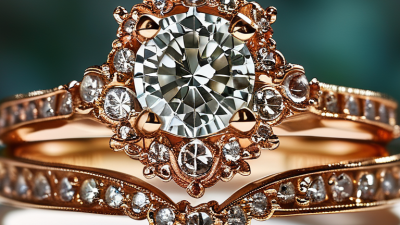
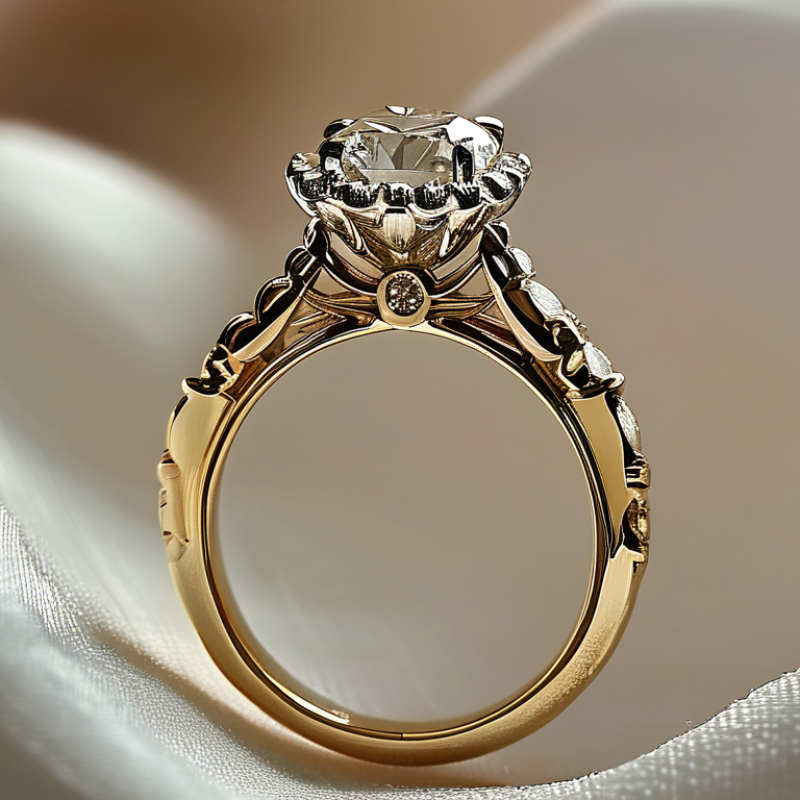
An engagement ring has several working parts, not just a center stone. The center stone usually attracts attention, while its cut controls brightness, movement, and visual size. The setting holds the stone securely and shapes the ring’s character. Prongs offer a classic, open look, but they need regular inspection. A bezel surrounds the stone with metal and provides stronger edge protection.
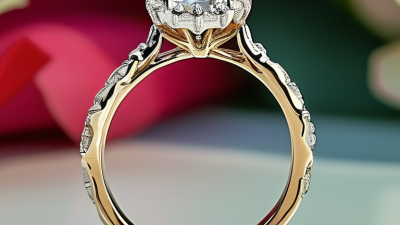
The band, or shank, supports the ring around the finger. Its shoulders connect the band to the setting, while the gallery sits beneath the stone. This lower area affects comfort, cleaning, and how the ring pairs with a wedding band. A low profile feels practical for daily tasks. A higher profile may allow more stacking options, but it can catch on clothing.
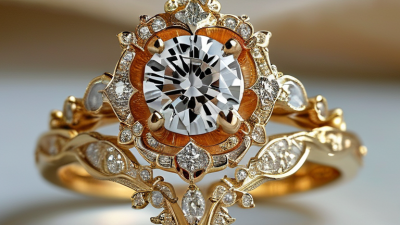
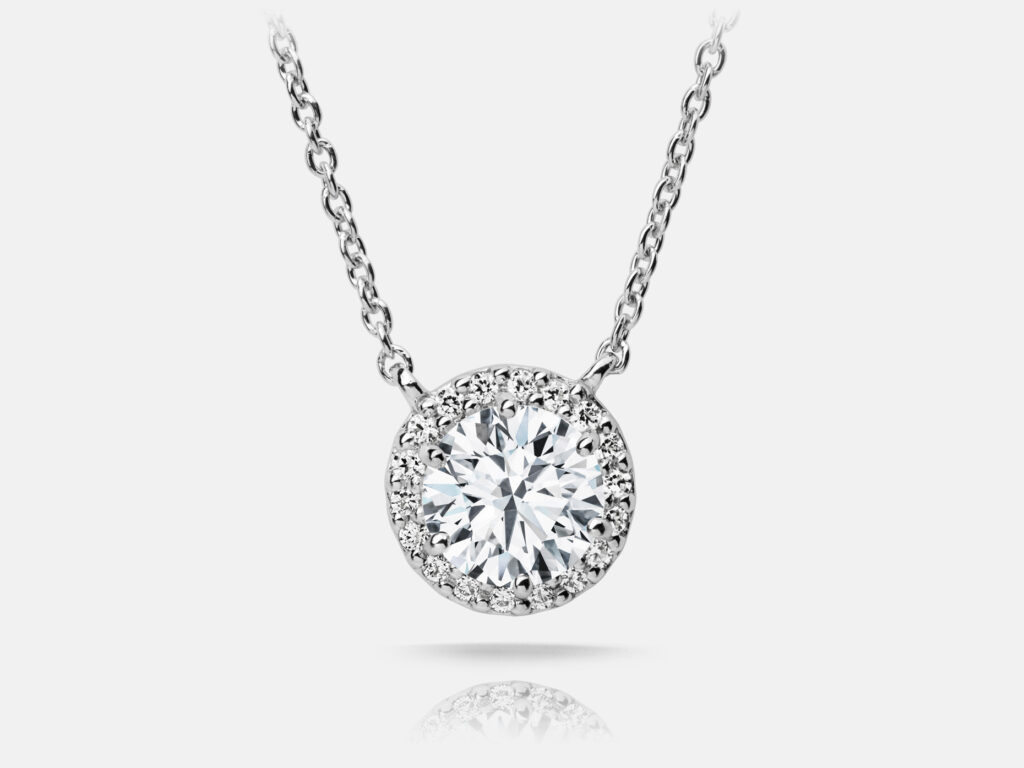
Style choices should reflect real habits. A solitaire looks clean and highlights one stone. A halo creates extra sparkle and a broader appearance. Three-stone designs can represent a relationship’s past, present, and future. Pavé bands add light but may require closer care around small stones. Vintage-inspired details bring texture, while smooth modern designs feel easier to maintain.
Try the ring with your hand relaxed. Then bend your fingers. Look for pressure, sharp edges, or unwanted movement. Metal color matters, but comfort matters more. There is no perfect design. I have seen buyers focus on photographs and overlook the underside. That mistake is easy to make. Examine the ring from every angle before choosing.
An engagement ring should reflect daily habits, not only a romantic photograph. Begin with the wearer’s routine. Someone who works with their hands may prefer a low-profile setting with protected stones. A person who enjoys classic clothing may suit a simple band and balanced proportions. Notice the details they already wear: warm or cool metals, delicate or bold shapes, and whether their jewelry feels practical.
Choose the center stone shape before selecting extra details. Round, oval, emerald, pear, and cushion cuts create different visual effects. An elongated shape can make the finger appear longer, while a wider design may feel more substantial. Check the ring from several angles. It should sit securely, without sharp edges catching on fabric. I once focused too much on sparkle and overlooked comfort. That was a useful mistake.
Reliable selection also requires technical checks. Ask for clear grading information, treatment disclosure, and an accurate metal description. A qualified jewelry professional or independent appraiser can examine the setting and stone. Confirm the ring size carefully, since resizing may be limited by the design. Leave room in the budget for maintenance, insurance, and occasional inspection. A beautiful ring is not successful if it twists, scratches easily, or feels uncomfortable after ten minutes. Take your time. The right design should look meaningful and remain wearable.
What Is an Engagement Ring and How to Choose One?
Choosing the center stone shapes the entire engagement ring. A diamond remains popular, but sapphire, ruby, and other gemstones can offer color and personality. Consider your partner’s daily habits before admiring appearance alone. A nurse, gardener, or active traveler may need a durable stone and a protective setting. Hardness matters, but it is not the only concern.
For a diamond, compare the four Cs: cut, color, clarity, and carat weight. Cut usually affects sparkle most noticeably. A well-cut smaller diamond can look livelier than a poorly cut larger one. Examine the stone under different lighting, including daylight and warm indoor light. Ask for an independent gemological report. Confirm that its measurements match the stone you are viewing.
Clarity grades can feel overly technical. Tiny inclusions may be invisible without magnification. That can make a lower grade practical, though every stone deserves close inspection. I would not choose color from a website image alone. Screens distort subtle tones. A local appointment helps, but strong sales pressure should raise questions. Set a firm budget, compare several stones, and check the return and resizing policies. No choice is perfect. A stone that looks beautiful, suits the wearer, and has documented quality is usually the wiser decision.
| Selection Dimension | Key Facts | Common Options | Practical Buying Guidance |
|---|---|---|---|
| Purpose of an Engagement Ring | An engagement ring traditionally symbolizes a promise to marry and usually features a prominent center stone. | Solitaire, halo, three-stone, bezel, and side-stone designs | Choose a design that reflects the wearer’s lifestyle, preferred jewelry style, and expectations for daily use. |
| Center Stone Type | The center stone is the main visual focal point. Diamonds are popular, but colored gemstones can also be suitable. | Natural diamond, laboratory-grown diamond, sapphire, ruby, emerald, moissanite, and other gemstones | Compare appearance, durability, care requirements, availability, and total cost before choosing. |
| Diamond Cut Quality | For a diamond, cut describes how well its facets interact with light. It strongly affects brightness, fire, and scintillation. | Excellent, very good, good, fair, and poor grades may be used by grading laboratories | Prioritize cut quality for a lively appearance, especially with round brilliant diamonds. |
| Diamond Color | The standard diamond color scale generally ranges from D, which is colorless, to Z, which shows a noticeable yellow or brown tint. | Colorless, near-colorless, faint, very light, and light categories | Near-colorless grades can provide a bright appearance while allowing more flexibility in the budget. Warm-toned settings may complement lower color grades. |
| Diamond Clarity | Clarity evaluates internal inclusions and surface blemishes under standardized magnification. | Flawless, internally flawless, very slightly included, slightly included, and included grades | Look for an eye-clean stone rather than automatically selecting the highest clarity grade; inclusions should not threaten durability. |
| Diamond Carat Weight | Carat is a unit of weight, not size. One carat equals 0.2 grams, and two diamonds with the same carat weight can appear different in size. | Fractional carat weights and full-carat weights | Compare measurements and face-up dimensions in addition to carat weight to assess visible size. |
| Gemstone Durability | Hardness and toughness affect how well a stone tolerates everyday wear. Hardness resists scratching, while toughness resists chipping and breaking. | Diamond: Mohs hardness 10; sapphire and ruby: 9; emerald: approximately 7.5–8; moissanite: approximately 9.25 | For daily wear, select a durable stone and a protective setting. Some gemstones require additional care because of inclusions or treatments. |
| Center-Stone Shape | Shape refers to the outline of the stone, while cut refers to its proportions, facet arrangement, and finish. | Round, oval, princess, cushion, emerald, pear, marquise, and radiant | Round shapes offer classic symmetry; elongated shapes may create a longer visual appearance on the finger. Choose according to personal preference. |
| Ring Setting | The setting holds the center stone in place and influences appearance, security, cleaning, and maintenance. | Prong, bezel, halo, pavé, channel, tension-style, and cathedral settings | Prongs can maximize light exposure; bezels provide more protection; pavé designs may require more frequent inspection. |
| Metal Choice | The ring metal affects color, weight, durability, maintenance, and how the center stone appears. | Platinum, yellow gold, white gold, and rose gold | Consider skin sensitivity, desired color, wear habits, and maintenance. White gold may require periodic surface replating depending on its finish. |
| Budget Allocation | There is no universal spending rule for an engagement ring. Value depends on quality, materials, design, and personal priorities. | Center stone, setting, metal, craftsmanship, resizing, insurance, and maintenance | Set a comfortable total budget first, then decide which features matter most instead of using a fixed spending formula. |
| Certification and Documentation | A grading report records identifying characteristics and quality assessments for a gemstone, especially for diamonds. | Independent grading report, laser inscription where applicable, treatment disclosure, and purchase receipt | Review the report details, verify that the stone matches the documentation, and confirm all treatments are disclosed. |
| Lifestyle Compatibility | Frequent exposure to tools, sports, chemicals, water, or manual work can affect a ring’s condition. | Low-profile settings, protective bezels, durable gemstones, and secure prongs | Choose a lower-profile, protective design for active lifestyles and remove the ring during activities that may cause impact or chemical exposure. |
| Fit and Comfort | Ring size can be affected by temperature, time of day, finger shape, and band width. | Standard band, comfort-fit interior, narrow band, and wide band | Measure the intended finger more than once and consider the width of the ring and any wedding band it may be worn with. |
| Care and Maintenance | Regular cleaning helps maintain appearance, while professional inspections can identify loose stones or worn settings. | Mild soap and warm water, soft brush, professional cleaning, and periodic prong inspection | Avoid harsh chemicals and ultrasonic cleaning unless the gemstone and setting are confirmed to be suitable for it. |
An engagement ring represents a promise, but its meaning is personal. The right choice should fit both the wearer and the couple’s financial reality. Start with the ring size, not the stone. Measure the intended finger at the end of the day, when fingers are usually slightly larger. Avoid measuring after exercise, cold exposure, or salty meals.
Use a professional ring sizer when possible. A paper strip can help, but it may stretch or sit unevenly. Measure twice. Maybe three times. The dominant hand can be slightly larger, and wide bands often feel tighter than thin ones. Ask whether resizing is available before purchasing. Some settings cannot be resized easily. That detail is easy to miss.
Set a complete budget before visiting a jeweler. Include the center stone, setting, taxes, resizing, insurance, and future maintenance. The old “three months’ salary” rule is not a reliable standard. Choose a payment amount that leaves room for rent, savings, and emergencies. I once focused too much on appearance and overlooked long-term comfort; that was poor judgment. A smaller, well-cut stone may look brighter than a larger, poorly cut one. Request clear information about grading, metal purity, return terms, and care instructions. A trustworthy professional should explain these details without pressure. Do not rush. The perfect ring does not exist. A suitable one does.
With our award-winning goldsmiths, the end result will be a tailor-made heirloom you and your loved ones will treasure for generations. Together we walk through the design process. We listen to you carefully. Discuss what you want and what you don’t, and provide an excellent collaborative experience to bring your vision to life.
From the moment you walk in, you are treated like family. We will make your jewelry shopping experience easy and help you find the perfect piece.