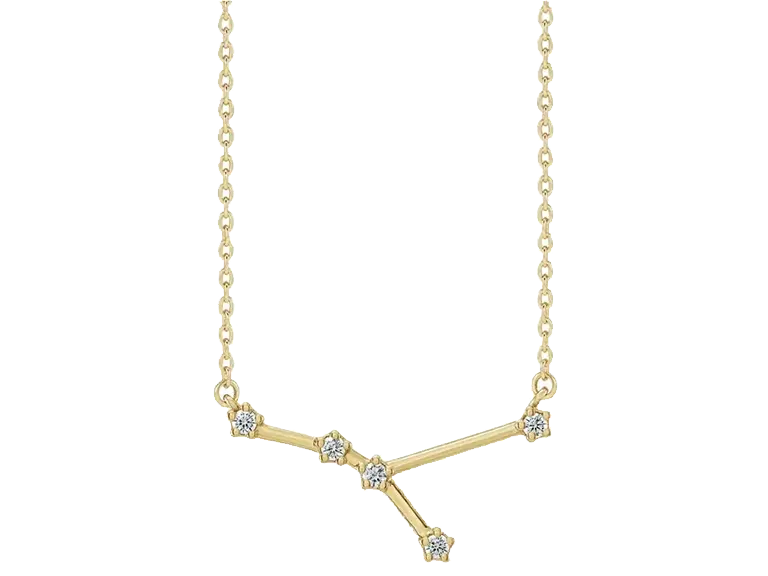
How to Create a Ring Top Types and Buying Guide?

Creating a ring is both a design decision and a personal investment. The right style should fit your hand, lifestyle, budget, and emotional purpose. This guide explores popular ring top types, including solitaire, halo, cluster, bezel, and signet designs. Each option creates a different visual effect. A solitaire looks clean and focused. A halo can make the center stone appear larger. A bezel offers practical protection for active wearers.

Master jeweler Alan Revere often reminds students, “Design must serve the wearer, not merely the display case.” That principle matters when you create a ring. A beautiful design may still feel uncomfortable if its edges catch clothing. A low setting may look elegant, yet it can limit stone visibility. These details deserve careful attention.

Buying requires more than choosing a fashionable shape. Check the metal’s durability, the stone’s quality, the setting’s security, and the maker’s craftsmanship. Ask for clear specifications, treatment disclosures, and maintenance advice. An independent gemological report can provide useful confirmation. It does not replace professional judgment.

Finger measurements can change with heat, cold, and time. Try the ring during ordinary movement. Notice whether the band twists or presses against your neighboring fingers. Some buyers focus too heavily on photographs. That is understandable, but photographs can hide height, weight, and surface texture.

No guide removes every uncertainty. Personal taste can change. Budget limits can feel frustrating. Still, careful comparison makes the decision more confident, practical, and genuinely yours.
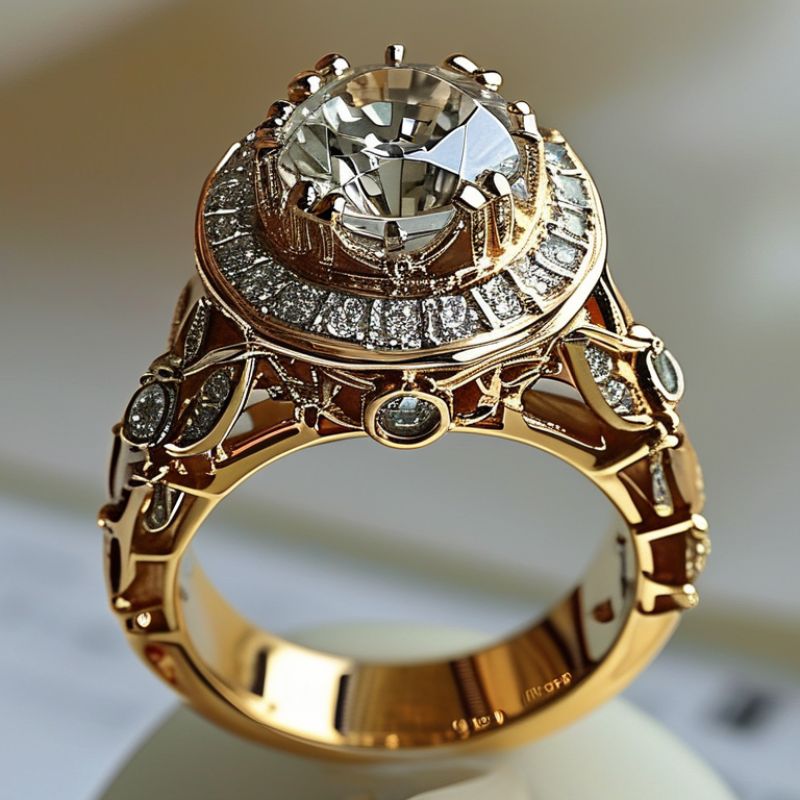
How to Create a Ring Top Types and Buying Guide?

Understanding Ring Top Designs and Their Main Features

How to Create a Ring Top: Types and Buying Guide

Understanding ring top designs begins with the shape and purpose of the upper section. A bezel ring surrounds the stone with metal, offering strong protection and a smooth edge. Prong designs lift the stone higher, allowing more light to enter. However, raised settings may catch on clothing. Halo tops place smaller stones around a center stone, creating extra visual width. Signet-style tops use a flat surface for a cleaner, more traditional appearance.

Your daily routine should guide the choice. A low-profile top suits active work and frequent hand washing. A higher top can look more dramatic but needs careful handling. Check the underside for smooth edges and secure joins. The ring should sit without pinching. Small details matter. Measure your finger when it is warm, because temperature can change the fit slightly. Ask for clear metal information, stone details, and a written care policy from a qualified jeweler.

Creating a ring top requires balance between appearance, strength, and comfort. Sketch the outline before selecting decorative details. Keep the stone proportional to the band, or the ring may feel visually heavy. I once underestimated how quickly a raised design could snag on a sleeve. That mistake changed my preference toward protective edges. Still, no design is perfect for every wearer. Inspect the setting regularly, especially after impacts, and arrange professional checks when the stone appears loose.

Choosing Materials, Settings, and Shapes for a Ring Top

How to Create a Ring Top: Types and Buying Guide

Choosing Materials, Settings, and Shapes for a Ring Top

A ring top changes how a finished ring catches light and feels on the finger. Common types include raised, flat, sculpted, and convertible tops. Raised designs suit center stones, while flat tops work well for daily wear. Sculpted forms add character but may collect dust around their edges. Keep the purpose clear.

Material affects comfort, durability, and maintenance. Gold offers a warm appearance and easy shaping. Platinum feels dense and resists surface wear, but it can cost more. Sterling silver is accessible, though it may tarnish and scratch sooner. For sensitive skin, confirm the alloy composition before buying. Small details matter.

The setting should hold the stone securely without hiding too much of it. Prongs expose more light, while bezels provide stronger edge protection. Bezel settings can make a top look visually larger. Shapes also change the mood: round feels balanced, oval appears softer, and geometric forms look sharper. Measure the band width and finger clearance carefully. I once preferred a dramatic, high setting, but it caught on clothing. A lower profile proved more practical. That lesson still matters. Ask for exact dimensions, stone measurements, and metal weight. Photos can hide thickness. Check them from the side, too. A beautiful shape may feel awkward when worn for several hours.

Step-by-Step Guide to Creating a Ring Top

Creating a ring top starts with a clear purpose. Decide whether it will hold a stone, display a pattern, or support a stackable design. Measure the finger size and the ring shank before sketching. The top must look balanced from every angle. I prefer drawing several rough versions first. The prettiest sketch is not always the strongest one.

Step 1: Choose a suitable metal, such as sterling silver, gold, or platinum. Match its hardness to the intended daily use.

Step 2: Select the stone and measure its length, width, and depth.

Step 3: Build the setting around those measurements, leaving enough metal to protect the edges.

Step 4: Cut, shape, and join the components with controlled heat. Work slowly. Excess heat can weaken thin sections or damage a delicate stone.

After shaping, file the edges and smooth every contact point. A ring top should not catch fabric or scratch the skin. Set the stone only after checking the structure under magnification. Press gently and inspect the setting from the side. My early attempts often looked polished but felt uncomfortable. That mistake taught me to test wearability before final polishing. Small gaps, uneven shoulders, or a loose stone need correction, not concealment.

When buying a finished ring top, ask about metal purity, stone security, measurements, and return conditions. Check the underside for clean joins and a smooth interior. Request care instructions from a qualified jeweler. Handmade variation can add character, but poor alignment is not craftsmanship.

How to Compare Ring Top Styles for Different Uses

When comparing ring-top styles, start with the job they must perform. A small pull ring suits lightweight containers and occasional use. A wider ring gives better leverage when fingers are wet, gloved, or less flexible. For outdoor products, choose a strong metal ring with smooth edges. Sharp edges can cause discomfort and damage nearby materials.

Consider the opening method, not only the appearance. A hinged ring stays attached, reducing loose waste and making repeated handling easier. A removable ring can create a cleaner opening, but it may be easier to lose. Some designs need a firm upward pull, while others work with a short lift and push. Test the motion with one hand. That detail matters in kitchens, workshops, and busy service areas.

Material thickness also affects reliability. Thin metal may lower cost, but it can bend under uneven pressure. Coated surfaces can improve comfort, although coating quality varies. Check the ring’s attachment point, opening force, and resistance to corrosion. I once preferred a compact style because it looked neat, but it was difficult to grip with cold fingers. That experience changed my buying criteria. Appearance still matters, but practical access should lead the comparison.

How to Create a Ring Top Types and Buying Guide? - How to Compare Ring Top Styles for Different Uses

Ring Top Style Typical Construction Visual Profile Best Uses Main Benefits Potential Limitations Buying Checks
Flat Top A level upper surface connected to a simple band; it may be plain or engraved. Low to medium height with clean, straight edges. Daily wear, minimalist styling, engraving, and stacking with other rings. Comfortable, easy to coordinate, and provides a broad surface for text or symbols. Sharp corners may catch on fabric if the edges are not softened; a large flat surface can show scratches. Check edge finishing, surface thickness, engraving depth, and whether the ring sits comfortably beside neighboring rings.
Dome Top A rounded, convex top that rises smoothly from the band. Soft, rounded, and usually medium to high in profile. Statement jewelry, fashion rings, and designs intended to feel smooth against the skin. Smooth contours reduce snagging and create a bold appearance without requiring a gemstone. A high dome can feel bulky and may interfere with adjacent fingers during hand movement. Measure the height and width of the top, test finger clearance, and inspect the transition between the dome and shank.
Signet Top A substantial top, commonly oval, round, square, or rectangular, often designed for engraving. Prominent top with a formal, traditional appearance. Personal monograms, family symbols, ceremonial wear, and bold everyday styling. Offers a strong visual focal point and a durable area for engraved decoration. The wide top may feel heavy; orientation and finger size strongly affect comfort and appearance. Confirm top dimensions, band thickness, engraving layout, ring orientation, and internal comfort shape.
Bezel Top A continuous rim surrounds and holds a gemstone or decorative insert. Usually low to medium profile with a defined outer border. Active lifestyles, travel, daily wear, and designs needing secure stone protection. The surrounding metal helps protect the stone's edges and provides a smooth, snag-resistant setting. The metal rim can cover more of the stone's edge and may reduce visible light compared with an open setting. Check that the stone is firmly seated, the bezel is even, drainage or cleaning access is adequate, and the profile is comfortable.
Prong-Set Top Small metal claws or prongs hold a gemstone above the ring surface. Raised profile with visible space beneath or around the stone. Engagement-style designs, gemstone-focused jewelry, and occasions where brilliance is important. Allows more of the gemstone to remain visible and can permit light to enter from several directions. Raised prongs can catch on fabric, and worn or damaged prongs may compromise stone security. Inspect prong alignment, stone movement, clearance from other fingers, and the availability of periodic setting checks.
Cluster Top Several smaller gemstones are grouped closely to create one larger visual centerpiece. Decorative, often rounded or floral, with a medium to high profile. Special occasions, vintage-inspired designs, and styles seeking a larger visual impact. Creates strong sparkle and visual volume while using multiple smaller stones. More settings require more cleaning and inspection; the design may feel less suitable for rough daily work. Check every stone and setting, look for even spacing, assess snag points, and confirm cleaning requirements.
Openwork Top A patterned top with cut-outs, lattice, or pierced metal that creates visible negative space. Lightweight-looking and detailed, with a low to medium profile. Decorative fashion jewelry, artistic designs, and buyers wanting visual detail without a solid top. Can reduce visual weight and add distinctive patterns, texture, and airflow. Fine sections may bend or collect dirt, and intricate surfaces can be more difficult to repair. Review the thickness of connecting sections, inspect for smooth edges, and consider how easily the pattern can be cleaned.

Ring Top Buying Checklist

Decision Factor What to Compare Practical Recommendation
Daily Comfort Top height, edge shape, band width, and contact with adjacent fingers. Choose rounded edges and a moderate profile if the ring will be worn for long periods.
Durability Metal thickness, stone protection, prong condition, and exposed decorative details. For frequent hand work, favor smooth profiles and protective settings such as a bezel.
Gemstone Security Bezel coverage, prong number and alignment, stone movement, and setting condition. Select a setting that matches the wear level and arrange periodic inspections for raised or multi-stone designs.
Maintenance Ease of cleaning, number of small settings, surface texture, and access behind stones. Simple tops are usually easier to clean; intricate or clustered tops need more frequent attention.
Sizing and Fit Finger circumference, knuckle size, top width, ring balance, and seasonal finger changes. Measure at a comfortable temperature and test the ring while bending the finger and making a fist.
Purpose and Style Work environment, formal occasions, personal symbolism, stacking plans, and preferred visual scale. Match the top shape and height to the intended use rather than choosing by appearance alone.

Essential Buying Tips for Quality, Comfort, and Value

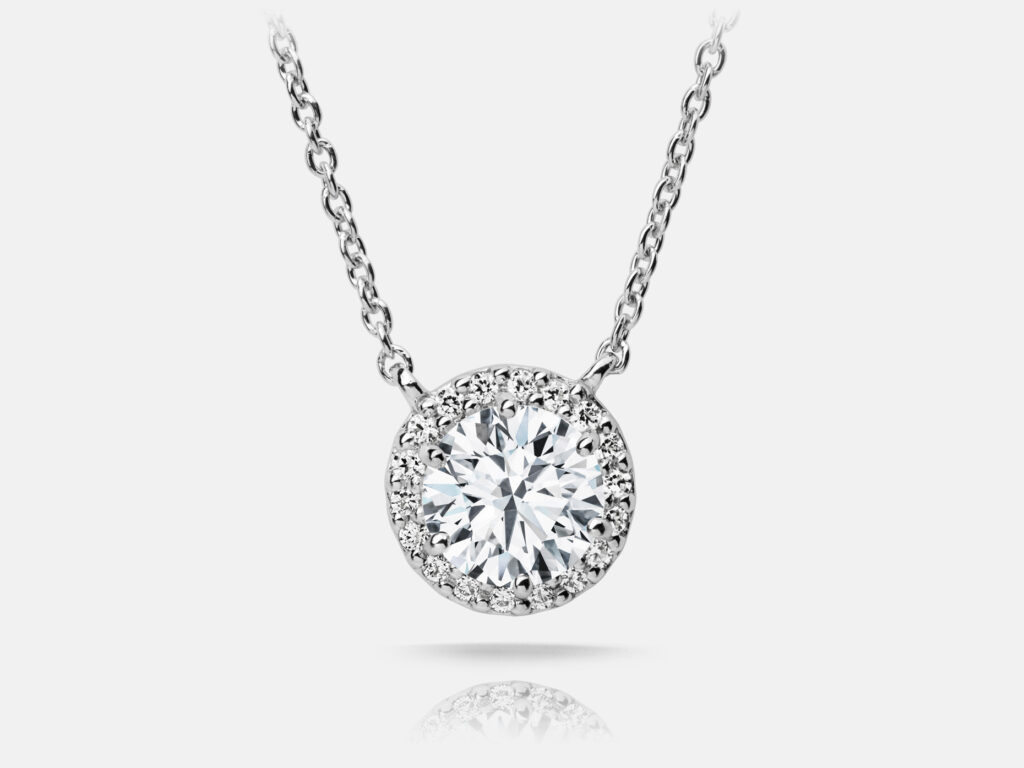
A ring’s top shape controls its appearance, comfort, and maintenance. A solitaire offers a clean, classic look with one central stone. Halo designs add visual size, but their small stones can collect dust. Bezel settings protect edges and suit active hands. Three-stone and cluster tops create stronger visual detail, although they may feel heavier. Fit matters most. A ring should slide over the knuckle with gentle resistance, then sit securely without pinching.

Quality begins with the stone and setting. The Gemological Institute of America evaluates diamonds through the 4Cs: cut, color, clarity, and carat weight. Cut deserves close attention because it strongly affects brightness. Ask for an independent grading report, clear metal information, and written return terms. Examine the claws under a bright lamp. Uneven prongs are warning signs. Small details matter.

Value needs a realistic budget. The Knot’s 2023 Real Weddings Study reported an average engagement-ring spend of about $5,500 in the United States. That figure is only a reference, not a target. Compare total cost, not just the stone price. Include resizing, insurance, cleaning, and future repairs. A wider band can feel secure but may reduce flexibility. A lower profile may appear less dramatic, yet it often fits daily life better. A beautiful choice can still be impractical. Measure twice.

How to Create a Ring Top: Types and Buying Guide

Essential buying tips for quality, comfort, and value start with choosing a ring top that suits the gemstone and how often it will be worn.

The Mohs hardness scale measures a gemstone’s resistance to scratching. Diamond ranks 10, sapphire and ruby rank 9, topaz ranks 8, and quartz ranks 7. For frequent daily wear, bezel and low-profile settings can improve protection, while halo and cluster designs may require more cleaning because of their additional edges and spaces.

one of a kind
Create a One Of a Kind

CUSTOM CRAFTED TIMELESS JEWELRY​

With our award-winning goldsmiths, the end result will be a tailor-made heirloom you and your loved ones will treasure for generations. Together we walk through the design process. We listen to you carefully. Discuss what you want and what you don’t, and provide an excellent collaborative experience to bring your vision to life.

location
We invite you to visit us today

Let us show you

From the moment you walk in, you are treated like family. We will make your jewelry shopping experience easy and help you find the perfect piece.

search