How to Source Fox Jewelry Wholesale for Global Buyers?

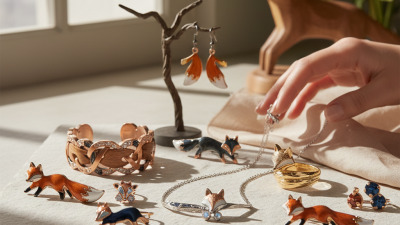
Sourcing fox jewelry wholesale requires more than finding attractive designs at low prices. Global buyers need dependable suppliers, clear product data, and realistic delivery promises. A fox pendant may look simple, yet its material, plating, clasp strength, and packaging affect its final value. Small details matter.

Experienced buyers usually begin with a focused supplier search. They compare factory capability, wholesale pricing, minimum order quantities, sample policies, and production timelines. Request current photos, material specifications, and test documents before placing a large order. For stainless steel, brass, silver, or plated products, verify the stated composition independently when possible. Do not rely only on a polished catalog.

Ask about nickel release, lead, cadmium, labeling, packaging, and destination-market requirements. Rules differ across regions, so buyers should confirm obligations with qualified local advisors. A responsible supplier should explain quality controls without avoiding difficult questions. Factory videos help, but an independent inspection can reveal uneven plating, loose stones, or weak chains. That costs more.

The process is not always smooth. Samples may pass visually but fail during repeated wear testing. A supplier may also change materials after quoting, especially when prices fluctuate. Keep written specifications, approved samples, inspection standards, and payment terms in one record. This protects both sides and improves accountability. Ethical sourcing also deserves attention, including worker safety, honest origin information, and recyclable packaging where practical.

This guide explains how to evaluate fox jewelry suppliers, negotiate responsibly, and reduce avoidable sourcing risks. It does not promise the cheapest deal. It aims for reliable quality, compliant products, and a partnership that can survive real orders. That is the harder standard.
How to Source Fox Jewelry Wholesale for Global Buyers?

Define Fox Jewelry Wholesale Categories and Buyer Requirements

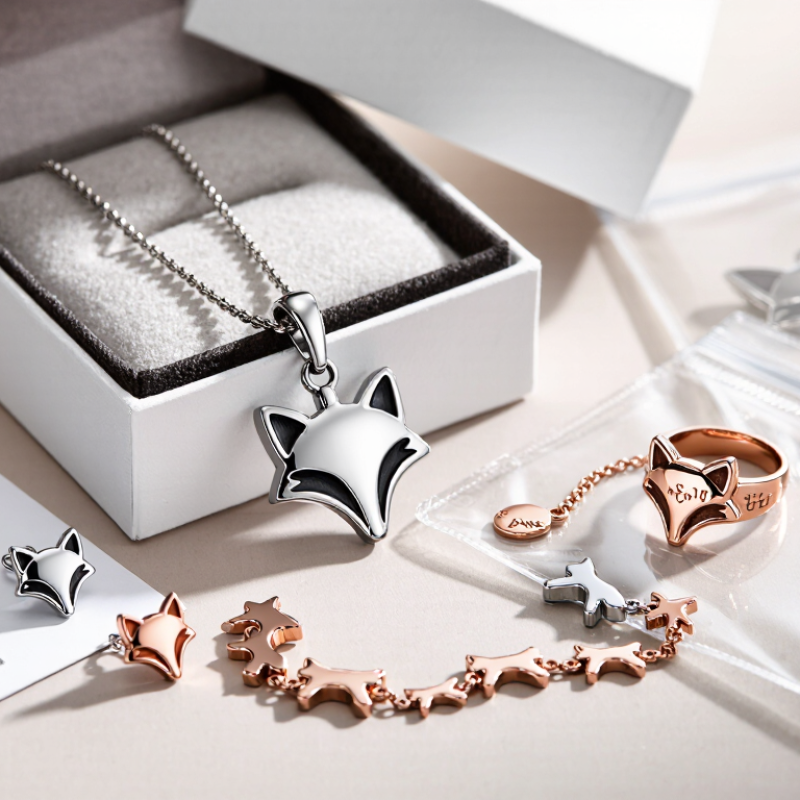
Fox jewelry wholesale should begin with clear category definitions, not attractive photos alone. Common groups include fox pendants, earrings, rings, brooches, charm bracelets, and coordinated sets. Separate designs by material, finish, size, and selling purpose. For example, a 35-millimeter enamel pendant suits gift counters, while small stud earrings may fit daily-wear collections. Buyers should also classify products as fashion jewelry, sterling silver, or gold-plated pieces. These labels affect pricing, care instructions, and customer expectations.

Global buyers need precise requirements before requesting quotations. Confirm target markets, quantity per style, size ranges, color options, packaging, and delivery terms. Ask for metal composition, plating thickness, stone details, nickel testing, and product weight. Reliable suppliers should provide samples, inspection photos, and consistent measurement sheets. I have seen buyers lose margin because they compared unit prices without checking packaging and defect allowances. That mistake is easy to repeat. A written specification prevents vague negotiations and makes quality checks fair.

Tips: Build a small test order before committing to large volumes. Compare samples under daylight, not only studio lighting. Check clasp strength, edge smoothness, and packaging print accuracy. Keep one approved sample as the reference piece. Requirements can change after customer feedback, so leave room for revisions. A perfect first brief is unlikely.

Identify Reliable Fox Jewelry Suppliers and Verify Their Credentials

Reliable fox jewelry sourcing begins with supplier verification, not attractive product photos. Ask for the company’s legal registration, factory address, export history, and current contact details. A professional supplier should provide clear material specifications, including metal composition, plating thickness, stone type, and allergen information. Vague answers create unnecessary risk.

In supplier checks, I have learned that documents can look convincing while details remain incomplete. Request recent certificates from recognized testing laboratories, then confirm the issuing organization independently. Compare the registered company name with invoices, bank details, packaging, and shipping documents. Order samples before placing a large purchase. Inspect the fox pendant’s edges, clasp strength, surface finish, and color consistency. Keep written records of every discussion.

Tips:
Visit the production site by video call. Ask for batch photos. Confirm minimum order quantities and lead times. Check whether the supplier can meet destination-market labeling rules. Never rely on copied certificates. A small trial order may feel slower, but it reveals packing quality and communication problems early. Even careful buyers miss things. Recheck critical details before payment.

Compare Product Quality, Pricing, Minimum Orders, and Customization Options

Sourcing fox jewelry wholesale requires more than comparing catalog photos. Examine the metal finish, stone setting, clasp strength, and edge smoothness. A fox pendant should feel balanced, not hollow or sharp. Request material specifications, coating details, and recent inspection images before ordering. For plated pieces, ask about coating thickness and color consistency. Samples reveal problems that polished photographs often hide.

Pricing depends on metal type, production method, packaging, and order volume. Compare the full landed cost, including sampling, shipping, and possible adjustments. Minimum order quantities can vary by design, color, and size. Smaller trial orders may cost more per piece, but they reduce inventory risk. I once underestimated packaging costs, so I now request a detailed quotation before negotiation. That mistake was avoidable.

Tips: Ask for one sample from regular production, not only a showroom piece. Check ten random items for scratches, loose stones, and uneven plating. Customization may include logo-free packaging, enamel colors, pendant dimensions, or exclusive molds. Confirm ownership and approval of artwork in writing. Allow extra time for revisions. Custom work rarely stays perfectly on schedule. For global orders, clarify carton labels, product descriptions, payment stages, and quality tolerances. A simple inspection checklist can prevent expensive misunderstandings.

Confirm International Shipping, Compliance, Packaging, and Payment Terms

How to Source Fox Jewelry Wholesale for Global Buyers?

When sourcing fox-themed jewelry, confirm the material source before discussing volume. Avoid products made with protected wildlife materials. Request clear details for stainless steel, sterling silver, enamel, stones, or recycled alternatives. Experienced buyers should ask for material declarations and testing records for lead, cadmium, and nickel. Requirements vary by destination. Check labeling, customs codes, and import documents with a qualified customs adviser.

International shipping terms need written precision. Confirm whether the quotation uses DAP, DDP, or another Incoterm. Clarify who pays duties, taxes, insurance, and local handling fees. Ask for a commercial invoice, packing list, tracking service, and realistic transit time. Small fox pendants can disappear inside oversized cartons. Use separate pouches, anti-tarnish cards, protective sleeves, and a strong outer box. Request drop-test photos or a sample shipment. Packaging is easy to underestimate.

Payment terms should protect both sides. A pro forma invoice must show prices, quantities, currency, bank fees, production time, and refund conditions. Many buyers use a deposit, then pay the balance after inspection. Samples should be checked for clasp strength, coating consistency, sharp edges, and color accuracy. I would not rely only on catalog photos; that shortcut often causes disappointment. Written records matter. Confirm every change by email, even when the supplier seems trustworthy. Payment delays can also affect production, so agree on approval deadlines before ordering.

Place Trial Orders and Establish a Scalable Wholesale Partnership

For global buyers, a trial order is more than a small purchase. It is a controlled test of a fox jewelry supplier’s real capacity. Start with 20 to 50 pieces across two or three designs. Request material details, plating thickness, stone security, dimensions, and product photos under neutral light. Ask for a pre-shipment sample. Keep one approved sample for comparison. Small details matter.

During inspection, check clasp tension, pendant edges, color consistency, and packaging protection. Record findings with dated photos and a simple defect sheet. Confirm production lead time, carton markings, packing lists, and export documents before payment milestones. A reliable supplier should explain tolerances instead of promising perfection. Our first sample review was too optimistic; a loose clasp appeared after repeated handling. That changed our process. We now test wear points before approving volume.

Scale only after two successful cycles. Negotiate price tiers, reorder windows, replacement terms, and communication responsibilities in writing. Share a rolling forecast, but avoid inflated promises. Begin with proven designs, then add seasonal fox motifs after quality remains stable. Review defect rates, delivery accuracy, and response time each quarter. One weakness should not end the partnership, but it should trigger a correction plan. Growth needs evidence.

How to Source Fox Jewelry Wholesale for Global Buyers? - Place Trial Orders and Establish a Scalable Wholesale Partnership
Stage Evaluation Dimension Recommended Benchmark Trial-Order Data Point Scale-Up Trigger Buyer Action Review Status
1. Product Definition Core product range Start with 3–5 fox-themed jewelry styles covering the main categories: earrings, necklaces, bracelets, and rings. 2–3 units per style for sample review, photography, and wear testing. At least 70% of tested styles receive positive buyer or customer feedback. Prepare a specification sheet covering dimensions, materials, plating, stones, finishes, and packaging requirements. Set Criteria
2. Supplier Screening Supplier qualification Compare at least 3 suppliers using the same product brief and quotation format. Request material declarations, production photos, quality-control procedures, export experience, and sample terms. Supplier answers technical questions consistently and provides traceable product information. Use a weighted scorecard: product quality 35%, price 20%, communication 15%, lead time 15%, compliance 15%. Compare
3. Material Verification Material and coating accuracy Confirm the base metal, surface finish, plating thickness or coating specification, and stone type before ordering. Check every sample for color consistency, surface defects, sharp edges, loose components, and clasp or post function. Material description and delivered product match the approved sample and written specification. Keep an approved reference sample and a signed or digitally confirmed product specification. Verify
4. Trial Order Initial order quantity Use a controlled trial order rather than committing to a full seasonal volume. Typical planning range: 20–50 units per selected style, depending on minimum order quantity and budget. Defect rate remains at or below 2% and the supplier meets the agreed delivery window. Separate sample approval, trial production, and bulk-production approval in writing. Test
5. Cost Analysis Landed-cost calculation Evaluate product cost together with packaging, inspection, freight, insurance, duties, taxes, and payment fees. Calculate landed cost per unit using the actual trial-order invoice and logistics documents. Target gross margin remains commercially viable after all import and fulfillment costs. Compare at least two shipping methods and record costs in the buyer’s operating currency. Calculate
6. Quality Control Inspection coverage Use a written inspection checklist for appearance, dimensions, function, packaging, labeling, and quantity. Inspect 100% of trial units when the order is small; for larger orders, agree on a documented sampling plan. No critical defects; major defects are corrected or credited before repeat production. Photograph defects, record quantities, and issue a nonconformity report within 3 business days of receipt. Control
7. Packaging and Compliance Retail readiness Packaging should protect delicate surfaces and prevent scratching, tangling, moisture exposure, or deformation. Test individual packaging, barcode or SKU labeling, care instructions, and carton markings. Packaging damage is negligible and labels meet destination-market requirements. Confirm language, warning statements, country-of-origin requirements, and recycling marks where applicable. Prepare
8. Logistics Planning Lead-time reliability Separate production time, inspection time, export handling, transit time, customs clearance, and final delivery. Record the promised date and the actual date for every trial-order milestone. Actual delivery remains within the agreed tolerance, such as ±3–5 business days. Build a safety buffer before promotions, holidays, and seasonal launches. Monitor
9. Payment and Risk Transaction protection Use written purchase terms covering specifications, tolerances, inspection, remedies, delivery, and payment milestones. For a first order, avoid paying the full balance before production evidence and agreed quality checks are completed. Payment, documentation, and dispute procedures are clear to both parties. Verify beneficiary details through an independent channel before sending funds and retain all transaction records. Protect
10. Performance Review Supplier scorecard Review quality, on-time delivery, response speed, documentation accuracy, packaging, and cost variance. Score each category from 1 to 5 after the trial order and document corrective actions. Recommended continuation threshold: average score of 4.0 or higher with no unresolved critical issue. Share a written review and request a corrective-action plan before placing the next order. Review
11. Scalable Partnership Repeat-order structure Increase volume in measured steps instead of moving directly from a small trial to the maximum forecast. Example progression: trial order → 2× trial quantity → quarterly forecast → rolling purchase plan. Two or more consecutive orders meet quality, delivery, and cost targets. Negotiate volume tiers, reserved production capacity, approved substitutions, and forecast visibility. Scale
12. Partnership Governance Long-term operating rules Maintain a current product master file, approved sample, price list, packaging standard, and change-control process. Review performance monthly during launch and quarterly after the supply relationship stabilizes. Changes to materials, tooling, packaging, or subcontractors require prior written approval. Use measurable service levels and documented escalation contacts for quality or delivery problems. Maintain
Planning note: The quantities, thresholds, and timelines above are practical wholesale planning benchmarks rather than guarantees. Actual requirements vary by product complexity, destination market, materials, order volume, logistics route, and applicable regulations.
one of a kind
Create a One Of a Kind

CUSTOM CRAFTED TIMELESS JEWELRY​

With our award-winning goldsmiths, the end result will be a tailor-made heirloom you and your loved ones will treasure for generations. Together we walk through the design process. We listen to you carefully. Discuss what you want and what you don’t, and provide an excellent collaborative experience to bring your vision to life.

location
We invite you to visit us today

Let us show you

From the moment you walk in, you are treated like family. We will make your jewelry shopping experience easy and help you find the perfect piece.

search