What is Space Dye Fabric and Why is it Trending Globally?
Space Dye Fabric is capturing global attention in the fashion world. This unique fabric showcases colorful patterns that blend multiple hues. The blending creates stunning visual effects, making each piece distinctive and eye-catching. This trend is not just a fad; it reflects a growing desire for personalization in clothing.
Consumers are increasingly drawn to fabrics that tell a story. Space Dye Fabric allows individuals to express their unique style. As brands embrace this trend, the demand for diverse color combinations is rising. This fabric brings complexity and creativity to fashion, setting it apart from traditional designs.
However, there are challenges to consider. The production process can be complex and may not always ensure consistency. Brands need to balance creativity with quality control. As the trend continues to grow, evaluating the sustainability of Space Dye Fabric becomes essential. This approach ensures that the excitement around this fabric does not compromise ethical considerations.
What is Space Dye Fabric? An Overview of Its Definition and Characteristics
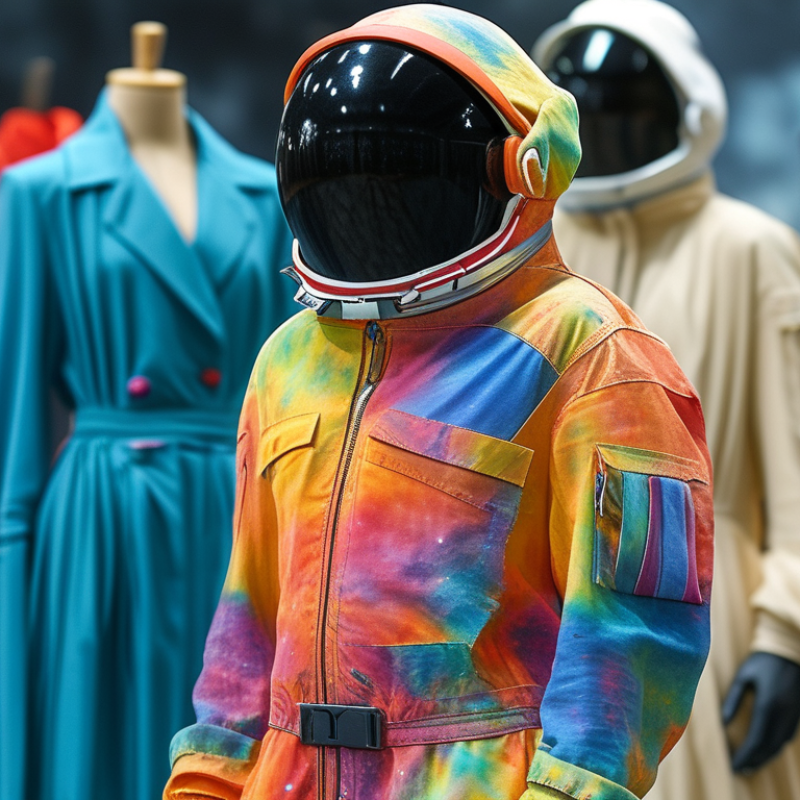
Space dye fabric is a unique textile characterized by its multi-colored, speckled patterns. This effect comes from a specialized dyeing technique that combines varied colors in a single strand of yarn. Research indicates that the global market for space dye fabrics is expected to grow significantly, projected to reach over $5 billion by 2025. This growth reflects a rising demand for innovative fabrics in the fashion and sportswear industries.
The appeal of space dye fabric lies in its versatility and aesthetic qualities. It is often used in activewear, loungewear, and home textiles. According to the Textile World report, designers value the way this fabric adds depth and dimension to garments. The varying shades can evoke different moods and styles, appealing to a wide range of consumers. Additionally, the unique coloring process can sometimes lead to inconsistencies. This aspect, while adding charm, can also challenge manufacturers in creating a uniform look.
Sustainability is also a significant factor driving the trend of space dye fabric. Many manufacturers are exploring eco-friendly dye processes. As the industry becomes more environmentally conscious, space dye fabrics can innovate in ways that align with sustainable practices. However, the complexity of manufacturing and dyeing processes means there is still much to improve. Ensuring both quality and sustainability remains a challenge for the fabric industry.
The Historical Context of Space Dyeing Techniques and Their Evolution
Space dyeing has a rich history that stretches back centuries. This technique originated in Asia, where artisans would use traditional methods to create vibrant patterns. The process involves dyeing yarns before weaving them into fabric, allowing for unique color combinations and texture. Over time, these techniques evolved and adapted, influenced by cultural exchanges and technological advances. Today, space dyeing is celebrated for its dynamic aesthetics and versatile applications in fashion and textiles.
As the global interest in sustainable fashion grows, space dyeing has found a renewed appeal. Its ability to reduce fabric waste aligns well with eco-conscious practices. Consumers appreciate the artistic flair of space-dyed fabrics, as each piece is often one-of-a-kind. This trend reflects a shift towards individuality in clothing choices, with many seeking unique items that tell a story.
Consider exploring lesser-known dyeing methods for a creative twist. Experiment with different color combinations to craft something truly personal. Remember to reflect on the environmental impact of your choices, seeking out sustainable materials and practices. Each design carries the legacy of centuries of craftsmanship, inviting you to be part of its ongoing narrative.
Current Market Trends: Growth of Space Dye Fabric in Fashion and Textiles
Space dye fabric is gaining traction in the fashion and textiles market. This unique dyeing technique produces multi-colored patterns, making it visually appealing. According to a recent report by Market Research Future, the global space dyeing market is projected to grow at a compound annual growth rate (CAGR) of 8.5% from 2023 to 2028. This growth is attributed to increased consumer demand for innovative textiles.
The popularity of space dye fabrics can be linked to their versatility. Fashion designers appreciate the dynamic patterns they create. They offer a fresh alternative to traditional solid colors. A study from Textile World reveals that around 70% of designers prefer fabrics with unique prints for their collections. This trend is also reflected in activewear, where space dye fabrics enhance both performance and style.
However, challenges persist in the space dye market. Color consistency can be an issue during production. Manufacturers need to balance creativity with reliability. Sustainability remains a concern as well. Eco-friendly dyeing processes are increasingly expected by consumers. A report by McKinsey notes that 67% of consumers are willing to pay more for sustainable fabrics. This emphasizes the need for manufacturers to innovate while addressing environmental issues.
What is Space Dye Fabric and Why is it Trending Globally?
| Dimension | Description | Current Trends | Market Growth (%) |
| Material Composition | Typically made from polyester or nylon | Increasing use in athleisure wear | 8% CAGR |
| Dyeing Technique | Unique process that creates a multi-colored effect | Popular for creating eye-catching patterns | 15% increase in demand |
| Sustainability | Increasingly made with eco-friendly dyes | Rising consumer preference for sustainable fashion | 10% growth in eco-friendly space dye products |
| Market Reach | Used in apparel, home textiles, and accessories | Expanding into new categories | 12% growth across various sectors |
| Consumer Demographics | Popular among millennials and Gen Z | Preference for personalized fashion choices | 20% increase in younger consumers |
Environmental Impact: Sustainability of Space Dyeing Practices in Industry
Space dye fabric is gaining popularity due to its unique aesthetics and vibrant colors. However, its environmental impact raises important questions. The space dyeing process typically uses multiple colors on a single fabric, which can lead to significant waste. This method often involves more water and chemicals compared to traditional dyeing. Thus, while the technique offers visual appeal, it can fall short on the sustainability front.
Many manufacturers are seeking eco-friendly alternatives. They are exploring natural dyes and reducing the use of harmful chemicals. Innovative companies are also adopting waterless dyeing technologies. Yet, these solutions are still not widespread. The transition to greener practices is not always simple or affordable. Budget constraints often hinder the adoption of sustainable technologies.
Consumer awareness plays a crucial role in this transition. Shoppers increasingly demand eco-conscious products. This pressure encourages brands to rethink their processes. However, the challenge remains. Balancing vibrant aesthetics with environmental responsibility is complex. Achieving sustainability in space dyeing requires ongoing efforts and reflections on industrial practices.
Consumer Preferences: Why Millennials and Gen Z Favor Space Dye Fabrics
Space dye fabric is catching the eyes of younger generations, particularly Millennials and Gen Z. This unique textile features a multi-colored pattern achieved through a special dyeing process. The colorful designs resonate with a desire for individuality and self-expression. According to a recent study by the Global Textile Association, over 67% of Gen Z consumers prefer unique fabrics that stand out from mainstream options.
The appeal of space dyeing lies in its vibrant aesthetics. These fabrics often incorporate gradients and blends, unlike traditional solid-color materials. This trend encourages buyers to experiment with their personal styles. Research shows that 55% of consumers aged 18-25 feel more confident wearing eye-catching designs. Interestingly, space dye patterns can also evoke a sense of nostalgia, reminiscent of the vibrant 90s fashion, making them particularly appealing.
Furthermore, sustainability is crucial for younger shoppers. A report by the Eco Fashion Institute highlights that 73% of Millennials incorporate eco-friendly practices into their buying decisions. Space dye techniques often utilize less water and energy compared to conventional dyeing processes. This reliability in sustainability enhances the fabric's appeal. Nonetheless, consumers must remain aware of the source and manufacturing methods, ensuring their choices align with their values.
Consumer Preferences for Space Dye Fabric Among Millennials and Gen Z