| Current Fine Jewelry Ring Trends |
| Solitaire Rings |
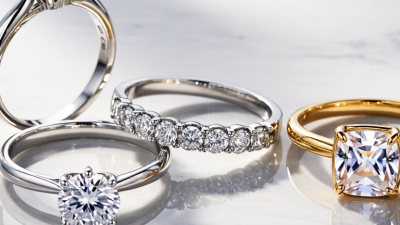
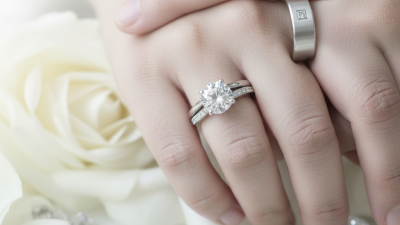
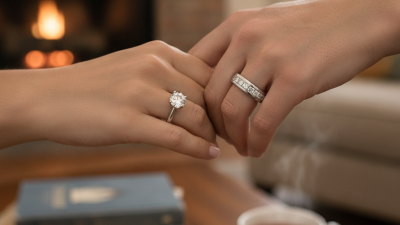
One principal gemstone in a plain, cathedral, bezel, or four- to six-prong setting. |
Fewer design elements make the center stone, cut quality, proportions, and setting security the main visual factors. |
Timeless styling, broad size compatibility, and simple merchandising for multiple markets. |
Center-stone certification, exact carat weight, cut proportions, metal fineness, prong construction, and ring size. |
Exposed stones may be more vulnerable to impact. Prongs should be inspected periodically, especially for daily wear. |
| Halo and Hidden-Halo Rings |
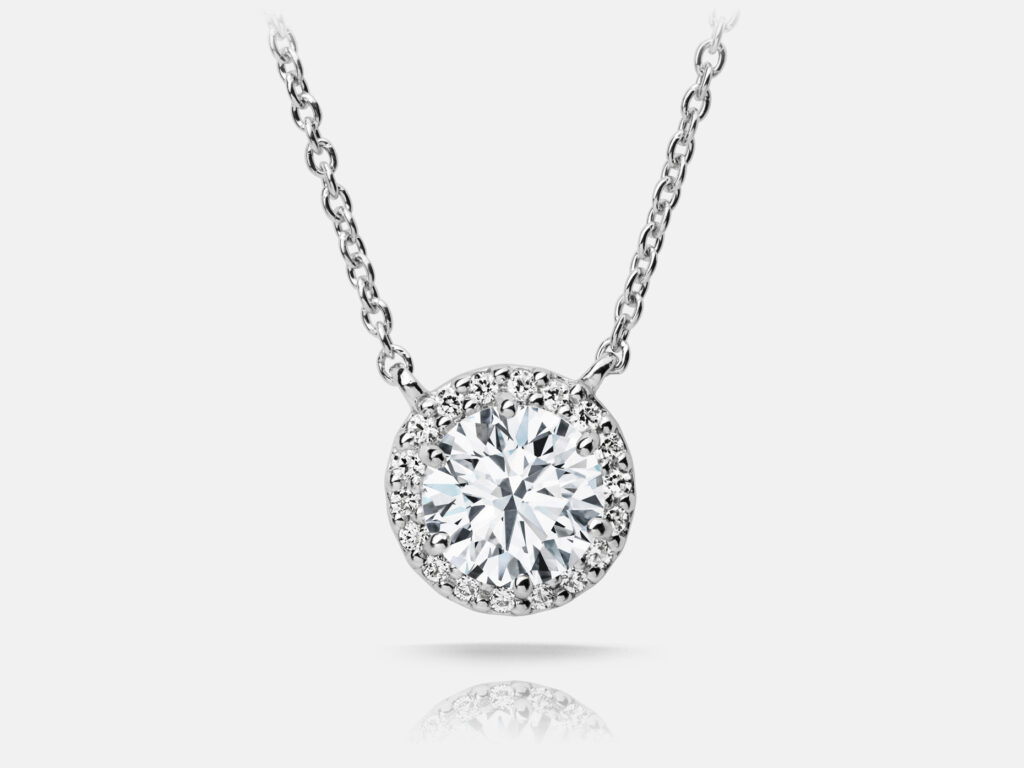
A central gemstone surrounded by smaller stones; hidden halos are positioned beneath the center stone. |
The visual diameter can appear larger than the center stone alone, while total carat weight includes all mounted stones. |
High visual impact and strong suitability for consumers seeking a detailed look at different price levels. |
Matching of side-stone color and clarity, symmetry, pavé workmanship, secure bead setting, and total carat-weight disclosure. |
Small pavé stones can loosen through repeated impact. Tight cleaning methods should be avoided if the setting is delicate. |
| Three-Stone and Trilogy Rings |
Three principal gemstones arranged in graduated or equal sizes, commonly in diamond or colored-stone combinations. |
The three-stone layout creates a balanced horizontal profile and may use different gemstone proportions or colors. |
Suitable for anniversary, milestone, and symbolic purchases across several cultural markets. |
Stone matching, side-stone alignment, gallery clearance, band width, setting durability, and independent gemstone reports. |
Unequal stone heights can affect stacking with a straight wedding band. Confirm the profile and measurements before purchase. |
| Colored Gemstone Rings |
Ruby, sapphire, emerald, spinel, tourmaline, aquamarine, garnet, and other transparent or translucent gemstones. |
Durability differs by species: diamond is Mohs 10, ruby and sapphire are Mohs 9, emerald is approximately Mohs 7.5–8, and tanzanite is approximately Mohs 6–7. |
Color variety, individuality, birthstone relevance, and differentiation from traditional colorless-stone jewelry. |
Natural or laboratory-created status, treatments, origin information where available, color consistency, clarity, and laboratory documentation. |
Fracture-filled, heavily included, or lower-hardness stones may require greater care and may not suit constant wear. |
| Toi et Moi Rings |
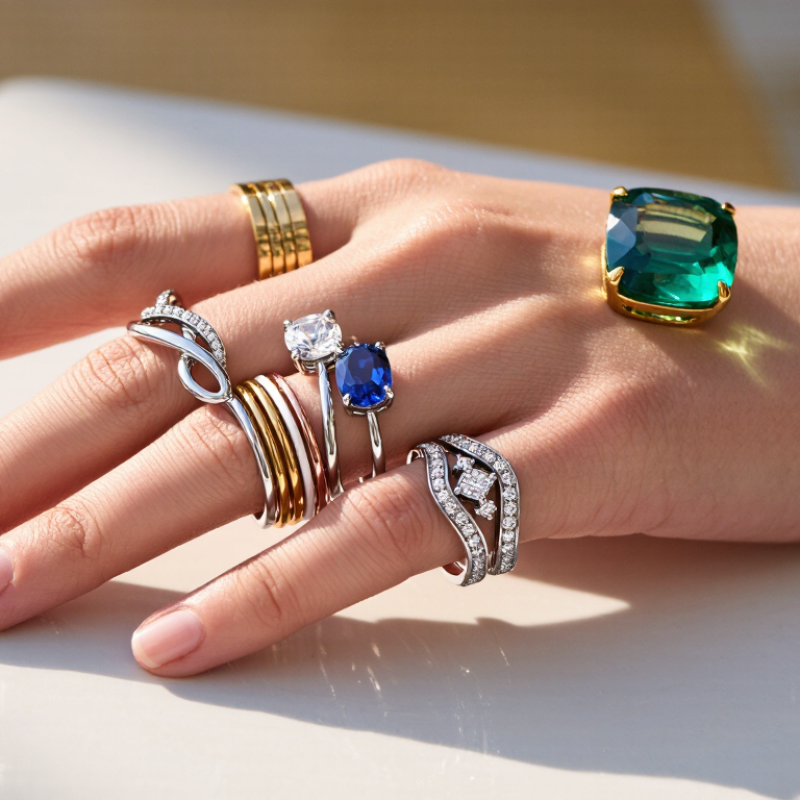
Two principal gemstones placed side by side, often in contrasting shapes, colors, or stone types. |
The design typically requires careful balance of stone size, height, orientation, and setting structure. |
Distinctive visual identity and strong appeal for buyers seeking symbolic or nontraditional designs. |
Proportion between the two stones, symmetry, setting protection, center-stone security, and comfort when worn beside other rings. |
Asymmetrical or elevated settings may catch on clothing. Confirm the ring’s overall height and snag resistance. |
| Eternity and Half-Eternity Bands |
Repeated gemstones around the full circumference or across the upper half of the band. |
Full eternity rings generally cannot be resized easily because stones continue around the shank; half-eternity styles offer more sizing flexibility. |
Popular for anniversary, wedding, stacking, and coordinated multi-ring purchases. |
Stone security, even spacing, interior comfort, exact ring size, band width, and resizing policy. |
Full-circle designs may be less adjustable. Exposed stones on the underside can experience greater contact with surfaces. |
| Stackable and Mixed-Metal Rings |
Several slim bands worn together, often combining polished, matte, pavé, yellow-gold, white-gold, rose-gold, or platinum finishes. |
Ring width, profile, and edge shape affect how comfortably multiple bands sit together and whether gaps appear. |
Flexible styling, repeat-purchase potential, and easier personalization across different customer preferences. |
Consistent sizing, profile compatibility, metal fineness, surface finish, solder quality, and friction between adjacent rings. |
Repeated movement can cause surface wear and may rub delicate finishes. Mixed metals can show different rates of color change or scratching. |
| Signet and Sculptural Rings |
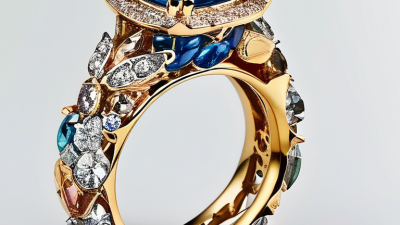
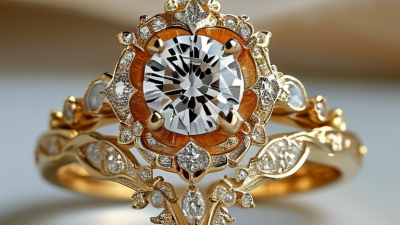
Flat or domed top surfaces featuring geometric forms, initials, symbols, textures, or recessed gemstone details. |
Large metal surfaces make weight, balance, edge comfort, and finishing quality especially important. |
Gender-inclusive styling, personalization potential, and strong suitability for everyday fashion collections. |
Metal weight, surface dimensions, engraving depth, edge finishing, hallmarks, and comfort across different finger shapes. |
Broad surfaces can show scratches more visibly. Deep engraving and complex textures may require specialized polishing. |
| Laboratory-Created Diamond Rings |
Diamond rings using laboratory-created diamonds in solitaire, halo, three-stone, and contemporary settings. |
Laboratory-created diamonds have the same crystal structure and essential chemical composition as mined diamonds, but their origin is different and should be disclosed clearly. |
Provides an additional sourcing option for buyers comparing origin, price, availability, and documentation. |
Independent grading report, growth method where reported, 4Cs, laser inscription where applicable, treatment disclosure, and return terms. |
Do not describe origin ambiguously. Verify that product descriptions, invoices, packaging, and reports consistently identify the stone type. |
| Key Buying Criteria for International Jewelry Buyers |
| Material Purity and Hallmarking |
Common precious-metal specifications include 18-karat gold, 14-karat gold, and platinum marked 950 where applicable. |
18-karat gold contains approximately 75% pure gold; 14-karat gold contains approximately 58.5% pure gold; platinum 950 contains approximately 95% platinum. |
Clear fineness information supports cross-border comparison and reduces confusion between local marking systems. |
Metal type, fineness mark, legally required hallmark, plating disclosure, nickel information where relevant, and net metal weight. |
Hallmark requirements vary by jurisdiction. A supplier should provide documentation that matches the destination-market requirements. |
| Gemstone Quality and Disclosure |
Quality assessment may include species, variety, color, clarity, cut, carat weight, treatments, and natural or laboratory-created status. |
Gemstone durability and treatment stability vary by material; visual appearance alone cannot confirm origin or treatment. |
Transparent disclosure allows buyers to create consistent product classifications and pricing across markets. |
Independent laboratory report when appropriate, treatment statement, measurements, weight, photographs, and matching between report and item. |
Some treatments require special care or may affect value. Avoid unsupported claims about origin, rarity, or untreated status. |
| Diamond 4Cs and Report Matching |
Color, clarity, cut, and carat weight are the standard primary quality factors for diamond comparison. |
Carat is a unit of weight, not size; two diamonds with the same carat weight can have different face-up dimensions depending on cut and proportions. |
Standardized terminology helps buyers compare products across suppliers and countries. |
Report number, measurements, proportions, fluorescence, clarity characteristics, cut information, and consistency with the mounted stone. |
Do not rely on carat weight alone. Confirm whether the stated weight applies to the center stone or the total ring. |
| Ring Size and Measurement |
International markets use different sizing systems, including numerical and letter-based standards. |
Finger size can change with temperature, time of day, and personal conditions; wide bands often require a different fit from narrow bands. |
Accurate conversion reduces returns, resizing costs, and delays in cross-border fulfillment. |
Inside circumference or diameter, local size standard, band width, comfort fit, sizing tolerance, and resizing availability. |
Full eternity rings, tension-style designs, and heavily engraved bands may have limited resizing options. |
| Craftsmanship and Setting Security |
Key construction methods include prong, bezel, channel, pavé, bead, tension-style, and flush settings. |
Setting choice affects stone exposure, light entry, maintenance requirements, and resistance to everyday impact. |
Consistent workmanship is essential for quality control, customer confidence, and long-distance purchasing. |
Even prongs, secure beads, smooth inner surfaces, aligned stones, polished galleries, solder joints, and absence of sharp edges. |
Loose stones, uneven settings, and sharp edges are quality concerns. Request detailed images or inspection records before shipment. |
| Documentation and Traceability |
Product files may include invoices, metal details, gemstone reports, treatment declarations, photographs, and chain-of-custody records. |
Documentation should identify the actual item or stone and use terminology consistent with applicable consumer-protection rules. |
Supports customs clearance, internal quality control, resale, insurance, and customer service. |
Item reference, material weight, stone details, report number, country-of-origin information where required, and document language. |
Incomplete or inconsistent documentation can create customs, compliance, and after-sales disputes. |
| Packaging, Shipping, and Insurance |
International orders generally require protective packaging, discreet outer cartons, shipment tracking, and appropriate insurance. |
Packaging should prevent movement, abrasion, moisture exposure, and damage to delicate settings during transit. |
Reliable logistics reduce transit risk and improve delivery predictability for international buyers. |
Declared value, insurance coverage, customs paperwork, delivery signature, return routing, packaging inspection, and tracking. |
Confirm who is responsible for duties, taxes, loss, damage, and customs delays before the order is dispatched. |
| After-Sales Service and Warranty |
Common services include resizing, stone tightening, cleaning, polishing, replating, repairs, and inspection. |
Coverage differs by product and jurisdiction; normal wear, accidental damage, and alterations may be treated differently. |
Accessible after-sales support is particularly important when the buyer and supplier are in different countries. |
Warranty duration, exclusions, service location, turnaround time, shipping responsibility, repair authorization, and replacement terms. |
Obtain written terms before purchase. Unauthorized alterations may affect warranties or gemstone reports. |
| Ethical and Environmental Information |
Relevant disclosures may cover gemstone origin, recycled or newly refined metals, laboratory-created stones, and supplier due diligence. |
Environmental and social claims should be specific, supportable, and clearly limited to the relevant material or supply chain stage. |
Clear sourcing information helps buyers meet internal policies and communicate responsibly with end customers. |
Written sourcing policy, supplier declarations, audit evidence where available, claim wording, and separation of verified facts from marketing language. |
Avoid broad claims such as “ethical” or “sustainable” without defined scope, evidence, and applicable geographic coverage. |