What is Worsted Wool Fabric and Why Choose It for Your Needs?
Worsted Wool Fabric has long been celebrated for its exceptional qualities. This textile is made from long-staple wool fibers, ensuring a smooth and durable finish. Its unique properties make it an ideal choice for various applications, from high-end suits to cozy winter garments.
When selecting a fabric, many factors come into play. Worsted Wool Fabric stands out due to its breathability and warmth. It can regulate temperature, making it comfortable in both cold and moderate weather. Some users may find it more expensive than other materials. However, the longevity and resilience of this fabric often justify the investment.
The decision to use Worsted Wool Fabric should be based on individual needs and preferences. While it offers many benefits, it might not suit everyone’s style. Consumers are encouraged to consider their lifestyle and how they plan to use this fabric. Thus, understanding the merits and potential drawbacks of Worsted Wool Fabric can lead to more informed choices.
Definition and Characteristics of Worsted Wool Fabric
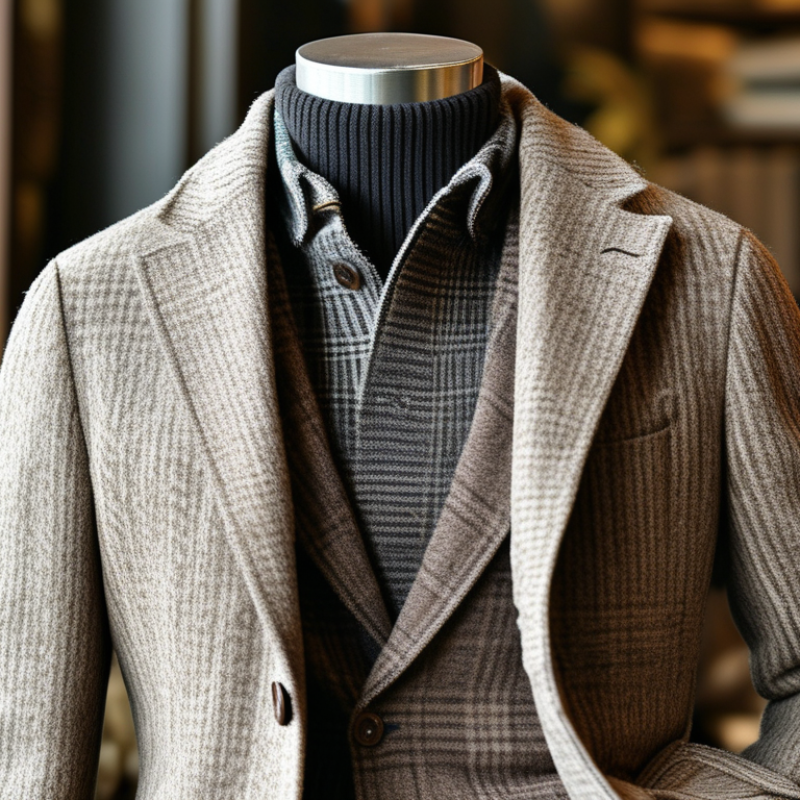
Worsted wool fabric is a marvel of textile engineering. It is made from long, fine fibers that provide strength and durability. The process of worsting involves spinning the wool into a dense and smooth yarn. This results in a fabric that is both luxurious and functional. Worsted wool is breathable, allowing for comfortable wear in various climates. It also drapes beautifully, making it ideal for tailored clothing.
When choosing worsted wool, consider its low elasticity. This means it holds shape well but can be prone to wrinkles. Regular maintenance, like steaming instead of ironing, can help combat this issue. Also, pay attention to the fabric weight. Lighter weights are great for suits in warmer weather, while heavier options are perfect for colder months.
Tips: Always check the care label before washing. To preserve the fabric's quality, dry clean when necessary. Be mindful of moths, as they can damage wool fibers. Store your worsted wool garments properly, in breathable bags, to keep them safe.
Historical Background and Development of Worsted Wool
Worsted wool has a rich historical background that dates back centuries. It originated in England during the 12th century, where it began as a method for spinning wool. The term "worsted" derives from the village of Worstead, known for its high-quality wool production. These early advancements made wool more durable and suitable for various garments.
As the industrial revolution progressed, the production of worsted wool expanded. Innovations in spinning and weaving techniques contributed to the fabric's popularity. Worsted wool became a preferred choice for tailors and craftsmen during the 19th century. This fabric's smooth texture and luxurious feel made it a staple in high-quality clothing. The meticulous process involved in creating worsted wool, from carding to spinning, ensured consistency in the final product.
Today, worsted wool is celebrated for its resilience and elegant finish. However, some may find it less breathable compared to other fabrics. While it is excellent for tailored suits and formal wear, it may not be ideal for all climates. The decision to choose worsted wool should consider individual needs and comfort. Ultimately, understanding its historical context offers valuable insight into this enduring fabric.
What is Worsted Wool Fabric and Why Choose It for Your Needs?
| Attribute | Details |
| Fabric Type | Worsted Wool |
| Origin | Developed in medieval England |
| Fiber Preparation | Combed for smoothness and strength |
| Texture | Smooth, durable, and fine |
| Common Uses | Suits, jackets, and high-quality garments |
| Benefits | Warmth, breathability, and naturally moisture-wicking |
| Care Instructions | Dry clean recommended; gentle washing if necessary |
Comparison of Worsted Wool with Other Wool Fabrics
When considering wool fabrics, worsted wool stands out due to its unique properties. It is tightly woven, making it smooth and durable. This fabric is excellent for tailored clothing, offering both comfort and sophistication. In contrast, other wool fabrics, such as flannel or merino, provide different textures and functionalities. Flannel is often softer and warmer, while merino is lighter and more breathable, suitable for layering.
Worsted wool's structure does create some limitations. It may not be as warm as thicker wool options, making it less ideal for extreme cold. However, its ability to wick moisture and regulate temperature makes it versatile across various seasons. Other fabrics, like cashmere, may provide luxury but lack the resilience that worsted wool boasts. Its natural elasticity allows garments to retain their shape over time, a feature not always found in softer wool varieties.
Choosing the right fabric depends on your needs. If durability and a polished appearance matter, worsted wool is a strong choice. If you seek warmth or softness, exploring flannel or cashmere might be beneficial. Each wool type has its strengths and weaknesses, making careful consideration essential before making a final decision.
Practical Applications and Uses of Worsted Wool in Fashion
Worsted wool fabric is revered in fashion for its durability and versatility. It is tightly woven, which gives it a sleek appearance. This quality makes it ideal for tailored suits and formal wear. The fabric drapes beautifully, enhancing the silhouette of garments. Worsted wool retains warmth, but it is breathable, making it suitable for various climates.
In casual wear, worsted wool brings sophistication. A finely crafted woolen cardigan can elevate a simple outfit. Accessories made from this fabric, like scarves, add a touch of elegance. The texture feels luxurious against the skin. However, despite its many benefits, wool care can be challenging. Some people may worry about shrinkage and pilling over time.
Fashion designers appreciate worsted wool for its ability to hold shape. This quality leads to timeless designs that endure changing trends. However, sourcing ethical wool can pose ethical dilemmas. Consumers must consider where the fabric comes from. Choosing worsted wool means investing in quality, but it also requires thoughtfulness regarding sustainability.
Benefits of Choosing Worsted Wool for Clothing and Textiles
Worsted wool fabric is a popular choice in clothing and textiles. Many appreciate its softness and durability. This fabric is made from long, tightly twisted wool fibers. As a result, it has a smooth surface that drapes beautifully. This makes it ideal for tailored garments and formal wear.
Choosing worsted wool also provides natural temperature regulation. It keeps you warm in winter and cool during summer. This adaptability adds comfort to your wardrobe. Additionally, it is stain-resistant and naturally repels moisture. This makes it easier to care for compared to other fabrics. Many people find it lasts longer than cotton or synthetic alternatives.
Tips for choosing worsted wool: Look for fabrics labeled "superfine." These offer the best softness. Also, consider mixing worsted wool with other fibers. This blend can enhance durability and reduce costs. Pay attention to weight; lighter fabrics are perfect for warmer weather. Keep in mind that while worsted wool is resilient, it can still show signs of wear if not handled properly. Always read care instructions before maintenance.
Benefits of Choosing Worsted Wool for Clothing and Textiles