2026 Best Engagement Rings NYC Where to Buy?
Finding the best engagement rings NYC offers in 2026 requires more than visiting a famous showroom. It requires patience, questions, and a clear understanding of value. Manhattan boutiques, Brooklyn designers, and established diamond houses each offer different experiences. Some focus on rare stones. Others specialize in custom settings or ethical sourcing.
Gemologist Olivia Landau, founder of The Clear Cut, says, “The best engagement ring is one that reflects your partner’s personal style.” That advice sounds simple. It is also easy to ignore. A large diamond may impress guests, yet feel uncomfortable during daily wear. A delicate bezel setting might suit someone who works with their hands better.
This guide examines where to buy engagement rings NYC shoppers can trust in 2026. It considers diamond certification, metal quality, customization, warranties, resizing, and transparent pricing. It also compares appointment-based studios with traditional retail stores. Look closely. Ask for the grading report before discussing the setting. Check return policies in writing. Examine the prongs under bright light.
Budget matters, but it should not control every decision. A modest stone with excellent proportions can appear lively and bright. A larger stone can look dull when its cut is weak. I may be overly cautious, but beautiful lighting can hide disappointing details. The right ring should survive photographs, travel, changing fashion, and ordinary mornings. That is the real test.
What Makes an Engagement Ring Ideal for NYC Couples in 2026
An ideal engagement ring for NYC couples in 2026 must feel personal, practical, and responsibly chosen. City life adds unusual demands. Subway rides, winter gloves, crowded cafés, and apartment storage all affect daily wear. Many couples now look beyond sparkle. They ask about recycled metals, traceable stones, repair policies, and clear grading reports. A qualified jeweler should explain cut, color, clarity, carat weight, and durability without pressure. That conversation builds trust.
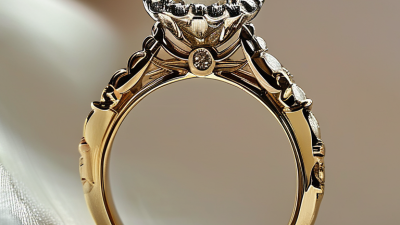
Comfort matters as much as appearance. A low-profile setting can reduce snags on coats and knitwear. Rounded edges feel gentler during commutes and busy workdays. Platinum or well-made gold may suit different lifestyles, budgets, and maintenance preferences. Try the ring with gloves, a phone, or a coat sleeve. Small tests reveal more than showroom lighting. For active couples, a secure setting and scheduled inspections are sensible choices. Keep the purchase documentation and request an independent appraisal for insurance purposes.
Personal meaning still leads the decision. A vintage-inspired shape, an unusual band, or a discreet engraving can reflect a shared New York memory. Yet perfection is not required. Some couples choose a smaller stone to fund travel, housing, or future plans. That choice is not less romantic. An honest budget conversation may feel awkward, but it prevents expensive regret. Ask for written details, independent documentation, and time to compare options. Even careful buyers can miss a practical issue. The ring should survive real life, not merely photograph beautifully.
How to Choose the Right Engagement Ring Style and Center Stone
2026 Best Engagement Rings NYC Where to Buy?
Choosing an engagement ring in New York City starts with the wearer, not a display case.
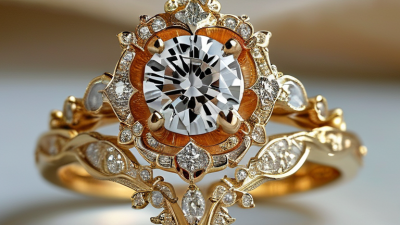
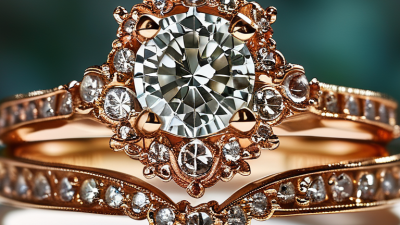
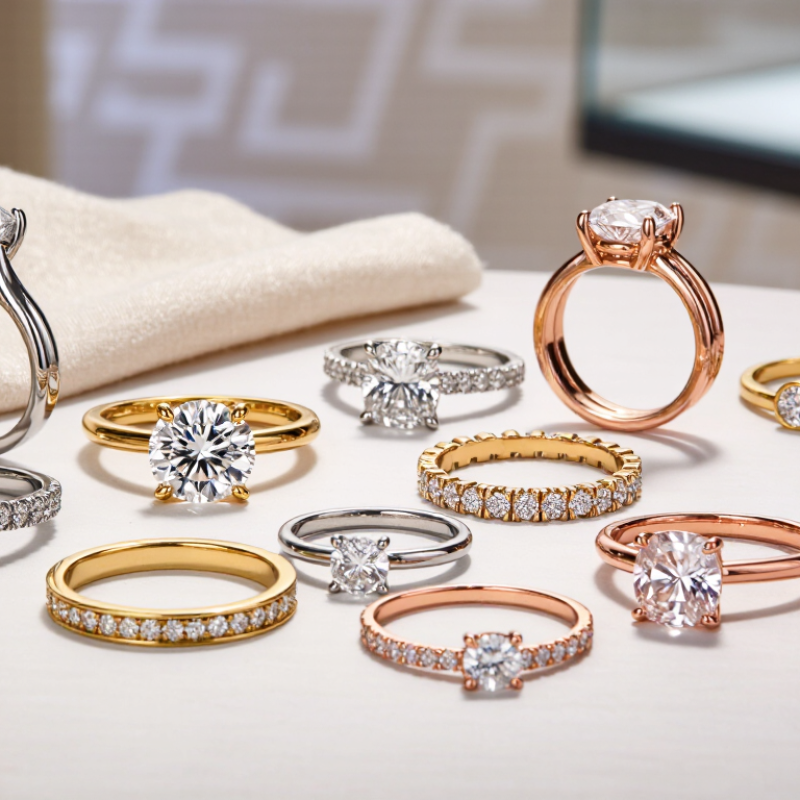
Notice the jewelry they already wear. Do they prefer clean lines, vintage details, or bold shapes? A slim solitaire can feel modern and practical. A halo setting adds sparkle but may need more cleaning. Try several styles in person. Photos rarely show how a ring sits between the fingers.
The center stone deserves careful attention.
Round stones offer balanced brilliance and suit many settings. Oval, pear, and emerald cuts create different personalities. Emerald cuts show clarity more clearly, so inspect them under natural and indoor lighting. Ask for independent grading documentation and compare color, clarity, cut, and carat weight. Cut often affects sparkle more than size. Bigger is not always better.
In a professional consultation, I recommend checking comfort, daily habits, and maintenance needs. Someone who works with their hands may prefer a lower profile setting. Someone active outdoors may need protective prongs and a durable metal. Ask about stone origin, treatment disclosure, resizing, and future inspections. Keep notes while shopping. Preferences can change after the third fitting, and that is normal.
There is no perfect ring, only a well-considered choice.
Where to Shop for Engagement Rings in New York City
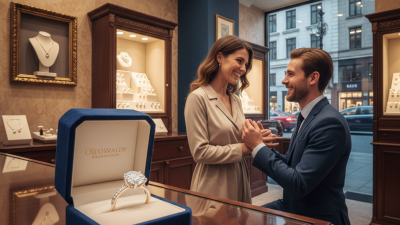
In 2026, choosing where to shop for an engagement ring in New York City requires more than browsing bright displays. Start with established independent jewelers, reputable estate dealers, and appointment-based studios. Manhattan’s Diamond District offers concentration and comparison, while neighborhood showrooms may provide calmer consultations. Ask who graded the stone, how long the return period lasts, and whether resizing is included.
Budget discussions should be grounded in evidence. The Knot’s 2024 Real Weddings Study reported an average U.S. engagement-ring spend of about $5,500. BriteCo’s 2024 Jewelry and Engagement Ring Insurance Report placed the average cost near $6,000. NYC prices can vary with diamond quality, metal, craftsmanship, and overhead. Treat these figures as reference points, not rules. A smaller stone with strong cut quality can sparkle beautifully under subway-station lighting.
Request an independent grading report from a respected gemological laboratory. Confirm the report number matches the stone before paying. Examine the ring under neutral light, not only beneath showroom spotlights. Check prongs, band thickness, metal markings, and insurance documentation. A written appraisal helps, but it is not the same as a grading report. That distinction is easy to miss. Ask about conflict-free sourcing disclosures and laboratory-grown diamond labeling, as required disclosures may differ by product. Leave room for doubt: sales pressure can make a good ring feel urgent. A thoughtful jeweler will let you compare, photograph, and reconsider.
How to Compare Ring Prices, Quality, and Customization Options
2026 Best Engagement Rings NYC Where to Buy?
Comparing engagement rings in NYC requires more than checking the center stone’s price. The Knot’s 2024 Real Weddings Study reported an average engagement ring spend of about $5,500 in the United States. Treat that figure as context, not a target. Prices change with diamond shape, grading, metal, setting complexity, and store overhead. New York City’s combined sales tax is 8.875%, according to the New York State Department of Taxation and Finance. Ask for the final price. Not just the tag.
Quality starts with an independent grading report. Check the 4Cs, fluorescence, treatments, and proportions carefully. GIA explains that cut strongly affects a diamond’s brightness and visual performance. A smaller, well-cut stone may look better than a larger, poorly proportioned one. I once focused too heavily on carat weight; that comparison felt efficient, but it ignored light return and durability. Customization also needs a written scope. Confirm CAD drawings, revision limits, metal purity, resizing terms, production time, and warranty coverage. Request close photos of prongs and the inner band. Tiny details matter. For a custom setting, compare the same stone specifications and labor inclusions across at least three NYC sellers. Otherwise, the cheapest quote may simply exclude finishing, insurance, or future adjustments. That is easy to miss.
What to Check Before Buying and Insuring an Engagement Ring
In New York City, an engagement ring should be checked beyond its sparkle. Examine the diamond under neutral lighting, not only bright showroom lamps. Ask for an independent grading report from a recognized gemological laboratory. Verify the report number and match it with the stone’s inscription, if available. Review the four Cs, but do not treat grades as the entire decision. Cut quality affects brilliance most visibly. A slightly lower color grade may look excellent in its setting. Try the ring on and inspect its comfort, symmetry, and metal finish. Small prongs deserve close attention.
Get a detailed receipt showing the metal, stone measurements, grading report, and purchase terms. Ask how resizing, cleaning, repairs, and returns are handled. I once saw buyers focus on appearance and forget long-term maintenance. That mistake can become expensive. Before paying, request an independent appraisal for insurance, especially when the purchase price differs from replacement value. Ask an insurer whether the policy covers loss, theft, accidental damage, mysterious disappearance, and travel. Confirm deductibles, exclusions, claim documentation, and whether repairs require approval. Update the appraisal after major market changes or renovations. Keep photographs, receipts, reports, and maintenance records in secure digital storage. Do not assume a standard home policy provides enough protection. An insurer may require a scheduled personal property endorsement. Clarify coverage limits in writing. The less glamorous questions matter. Expect some uncertainty, too; appraisals estimate replacement costs, not guaranteed resale prices.