How to Design a Ring with a Top China Manufacturer?
To design a ring with a top China manufacturer, begin with evidence, not attractive factory photos. The Knot’s 2023 Real Weddings Study reported average U.S. engagement-ring spending of approximately $5,500. That figure makes material control and production accuracy commercially important. The World Gold Council’s Gold Demand Trends 2024 reported China’s gold-jewelry demand at 479.3 tonnes, a 24% year-on-year decline. Price sensitivity is real.
A capable manufacturer should convert your sketch into precise CAD files, wax models, stone-setting plans, and inspection records. Ask about alloy testing, gemstone documentation, polishing standards, and final dimensional checks. Request a physical prototype before approving bulk production. The first sample may be wrong. That is useful feedback, not failure. A thin shoulder, uneven prongs, or sharp inner edge can change comfort completely.
Jewelry designer Stephen Webster has expressed a practical design principle: “Jewellery should tell a story.” Your ring should therefore show intention in its proportions, texture, and details. A trusted Chinese manufacturer can support that story through experienced pattern makers, modern casting equipment, and controlled quality procedures. However, “top” should not mean “largest.” It should mean transparent communication, repeatable craftsmanship, responsible sourcing, and documented inspection. Review the factory’s experience with similar rings, not only its online portfolio. Confirm sampling costs, tolerances, packaging, and correction procedures in writing. Design beautifully, but verify relentlessly.
Define Your Ring Concept, Style, and Design Requirements
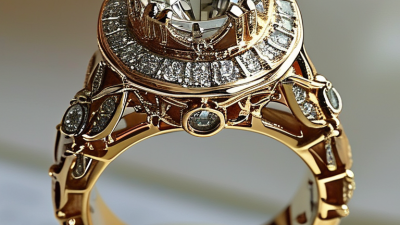
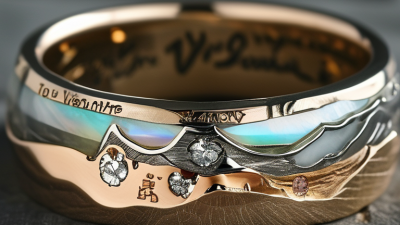
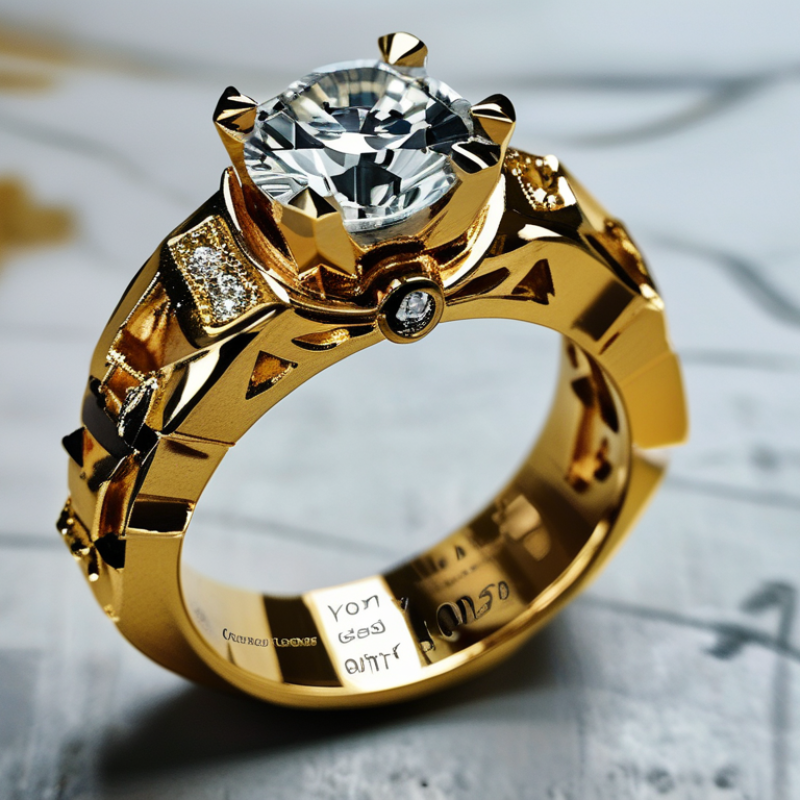
Designing a ring with a top China manufacturer starts with a clear concept, not a polished sketch. Define its purpose, wearer, and visual mood. Is it a daily ring or a formal piece? Describe the shape, metal color, surface finish, stone size, and preferred ring width. A 2.2-millimeter band feels light, while a 4-millimeter band creates stronger visual weight. Mention comfort details, such as rounded edges or a low-profile setting.
Useful references make communication more accurate. Share hand sketches, measurements, stone images, or similar examples. Avoid copying another designer’s protected work. A professional manufacturer can convert your idea into CAD drawings and explain production limits. Ask about metal composition, stone security, polishing standards, sample approval, and quality inspection records. Clear specifications reduce costly misunderstandings.
My first ring sketch looked elegant but was too delicate for everyday wear.
The shoulders bent easily in a trial model. That mistake changed the design. I increased the support beneath the stone and softened the inner edges. It was not perfect. That is normal. Request a sample before confirming larger production. Check the ring under bright light and inspect the setting with gentle movement. Confirm every measurement in writing, including size tolerance and finish. Honest feedback during this stage protects both the design and the final wearer’s experience.
Choose a Reliable Top China Ring Manufacturer
How to Design a Ring with a Top China Manufacturer?
Choosing a reliable top China ring manufacturer starts with evidence, not polished photos. The World Gold Council reported that global gold jewellery demand reached about 1,877 tonnes in 2024. High metal prices increased pressure on costs and product decisions. Ask the manufacturer for current assay records, metal certificates, and clear weight calculations. A dependable factory should explain every gram.
Look closely at the development process. Send a measured sketch, stone dimensions, ring size, and target weight. Request a CAD file before wax printing. Check the prongs, inner surface, band thickness, and setting security. One experienced sourcing lesson matters: a beautiful sample can hide weak finishing. Order a pre-production sample. Inspect it under bright light and with a 10x loupe. Record scratches, uneven polish, and stone movement.
Quality systems need proof. ISO 9001 certification can support process control, but it does not replace physical inspection. The manufacturer should provide material traceability, final inspection photos, and an agreed tolerance sheet. The Responsible Jewellery Council’s Chain of Custody Standard also highlights documented sourcing and traceability practices. These details reduce misunderstandings across borders. Still, no certificate guarantees perfect workmanship. My own checklist would include an independent inspection before shipment, even when the factory seems highly professional. Mistakes happen. Good suppliers make them visible, measurable, and fixable.
Develop, Review, and Refine the Custom Ring Design
Designing a custom ring with a top China manufacturer begins with a clear development brief. Share your sketches, reference images, finger size, preferred metal, and target budget. I also recommend describing the ring’s daily use. A wedding ring needs different comfort details than a statement piece.
The manufacturer can convert your concept into a precise CAD model. Review the setting height, band thickness, stone proportions, and inner curve carefully. Small changes matter. A 3D render may look balanced, yet feel heavy on the finger. Request a wax or resin prototype before casting. It reveals pressure points, sharp edges, and visual problems that screens often hide.
My first custom design looked elegant but caught on clothing. The rim was too high. I changed the shoulder angle and softened the inner edge. That revision improved both comfort and durability. Ask for measured tolerances, metal specifications, stone details, and surface-finish samples. Keep every approval in writing, including dimensions and revision dates. A reliable manufacturer should explain production limits instead of promising every idea without question. Review photos under neutral lighting, then inspect the final piece for symmetry, secure settings, clean polishing, and a smooth interior. Leave room for refinement. Good design is rarely perfect at the first attempt.
How to Design a Ring with a Top China Manufacturer?
Develop, Review, and Refine the Custom Ring Design
Gemstone hardness is an important design consideration when developing and refining a custom ring.
Higher Mohs hardness generally indicates better resistance to scratching during everyday wear.
The Mohs scale ranges from 1 to 10. Diamond has the highest hardness, while sapphire and ruby
are also highly suitable for durable ring designs. Hardness is only one factor; final material
selection should also consider color, setting style, toughness, and intended use.
Approve the Prototype and Begin Final Production
How to Design a Ring with a Top China Manufacturer?
Approve the Prototype and Begin Final Production
Prototype approval is the production gate, not a polite formality. Check the ring under daylight and magnification. Confirm the metal type, weight, dimensions, stone security, engraving, and surface finish. Measure the inner diameter with a calibrated gauge. Small errors become expensive across hundreds of pieces.
The World Gold Council’s Gold Demand Trends 2024 reported global jewelry consumption of approximately 1,877 tonnes. That scale makes consistency essential. Ask the manufacturer to record critical tolerances and attach inspection photos to the approved specification. Keep one signed prototype as the golden sample. It should guide casting, polishing, setting, and final inspection. A perfect sample can still hide weak process control. That deserves honest attention.
Tips:
Wear the prototype for several hours. Check sharp edges, balance, comfort, and snagging. Request material certificates and stone-setting records. Use an agreed sampling plan, such as ISO 2859-1, before shipment. Approve the final production only after reviewing measurements, finish, packaging, and defect limits. Do not approve from photos alone. They can flatter poor polishing. A short video call with the quality inspector may reveal more than polished images.