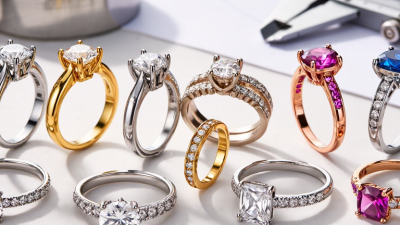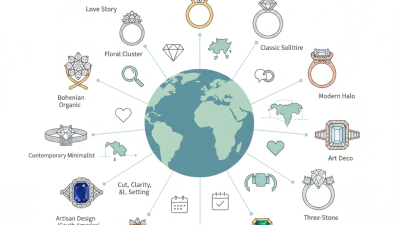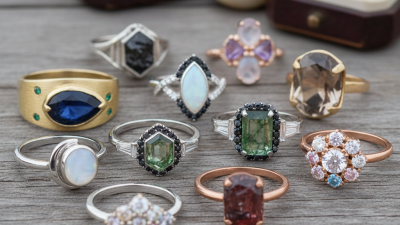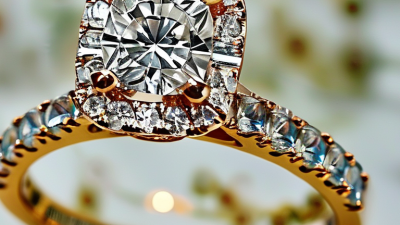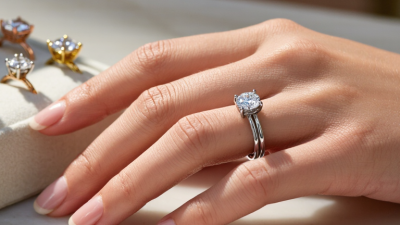
Choosing a China-based supplier for a design engagement ring takes more than comparing polished product photos. You need evidence of skill, consistent communication, and a process that turns a sketch into a wearable ring. Jewelry designer Kendra Scott has said, “Jewelry is a very personal thing... it should tell a story about the person who's wearing it.” That idea matters here: the right supplier should listen before recommending a setting, stone, or finish.
Look closely at the work behind the images. Ask for close-up photos of prongs, pavé lines, band thickness, and finished ring interiors. Request a CAD rendering, confirm the metal and stone specifications in writing, and ask how design revisions are handled. Small details count. A delicate band may look elegant on screen, yet feel less secure in everyday wear. A trustworthy supplier will explain trade-offs plainly rather than promise that every design is effortless.
Communication is part of craftsmanship. Check whether replies are clear, timelines are realistic, and sample or production policies are documented. If possible, review a physical sample before placing a larger order. Also ask what inspection records, gemstone reports, and after-sales support are available; these documents serve different purposes, so clarify what each one covers.
There is no perfect checklist. I would still want to see how a supplier responds when a detail changes late. That moment can reveal more than a glossy catalog. This guide explores practical ways to assess design ability, production quality, and supplier reliability before choosing a partner in China.
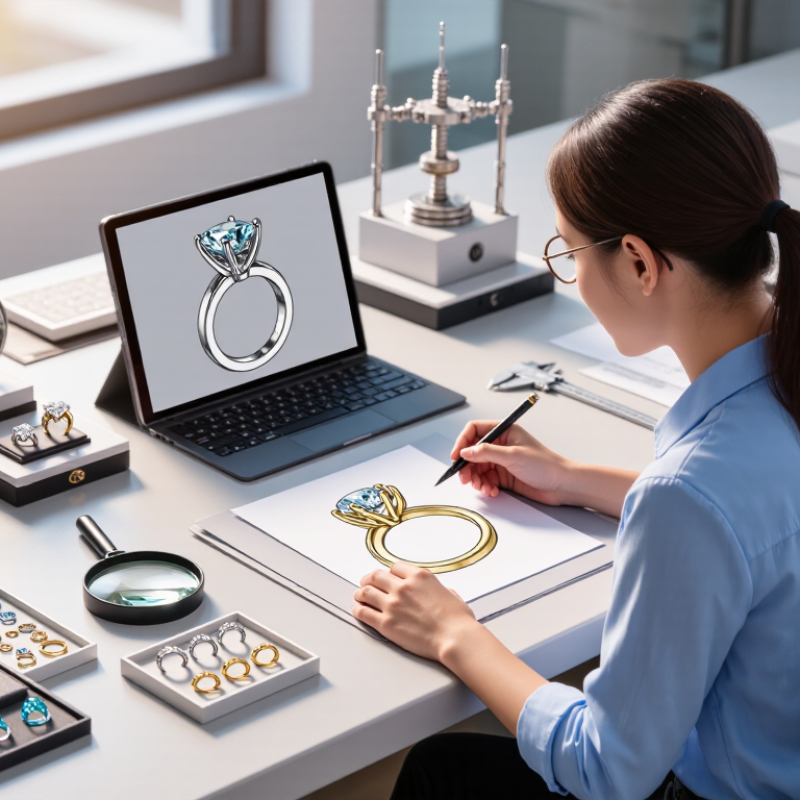
How to Find China Best Design Engagement Ring Supplier?
Define Your Engagement Ring Design and Sourcing Requirements
Before contacting a Chinese engagement ring supplier, define the ring clearly. A mood board is helpful, but measurable details prevent confusion. Specify the metal, stone type, approximate carat weight, ring size, setting style, band width, and finish. For example, request a 1.8 mm platinum band with a four-prong setting and a 0.30-carat round stone. Include reference images from several angles. A single front photo is rarely enough.
Your sourcing requirements also need practical limits. Set a target price, minimum order quantity, sample budget, production timeline, and preferred packaging. Ask how the supplier checks stone quality, metal purity, dimensions, and surface finishing. Experienced suppliers should explain their inspection process clearly. Request a written quotation and a physical sample before larger production. In my sourcing experience, small details often change the final cost. I once underestimated packaging space. That mistake affected shipping calculations.
Tips: Prepare a one-page specification sheet. Use simple measurements and avoid vague words like “luxurious” or “perfect.” Ask for macro photographs of prongs, polish, engraving, and the inner band. Confirm whether revisions are included in the sample process. Keep every approved detail in writing. A beautiful sketch can still hide weak structure. Reflect on wearability, not only appearance. Thin prongs may look elegant, but they could require stronger engineering for daily use.
Use these approximate face-up diameters to communicate stone-size expectations when requesting supplier quotes. Actual measurements vary with cut proportions; confirm the stone’s grading report and dimensions before ordering.
How to Find China Best Design Engagement Ring Supplier?
A supplier’s design skill should show in more than polished renderings. Ask how the team turns a sketch into a wearable ring. Can they adjust a low setting, reinforce a slim band, or make room for a wedding band beside it? Request CAD images and a physical sample, then compare the stone position, prong symmetry, and finish under bright light. Small details reveal a lot.
Check whether designers and production staff work closely together. A capable team can explain how casting, setting, and polishing affect the final shape. Ask which steps happen in-house and which are handled by partners. Request examples of similar custom work, along with inspection records or process photos. Evidence beats confident promises. A useful answer should be specific.
Discuss materials, tolerances, and revisions before approving a sample. For instance, ask how the supplier checks ring size after polishing, since finishing can slightly change dimensions. Confirm how design files are protected and how changes are documented. One easy mistake is judging suppliers by presentation alone. I would look closely at communication, too: vague replies about a crooked prong or delayed sample can signal trouble. Not every workshop will fit every design. A detailed trial order can still expose gaps before larger production begins.
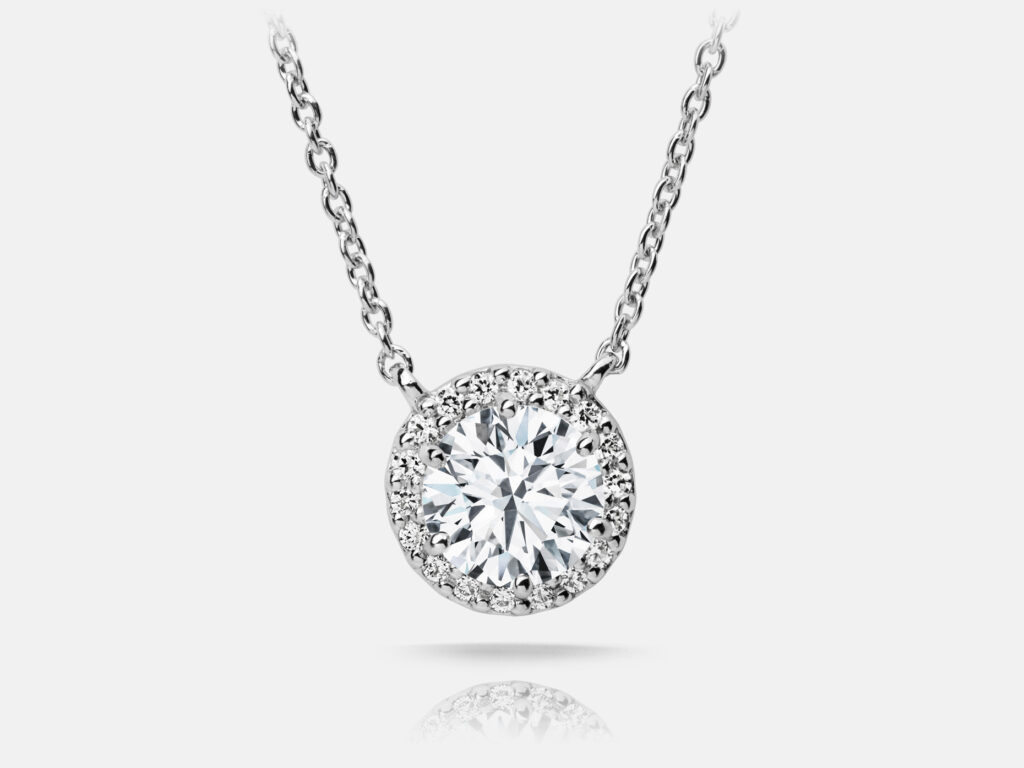
Finding China’s best design engagement ring supplier requires evidence, not polished photos. I usually ask for recent CAD files, production images, and a physical sample. A strong design team explains how prong height, setting depth, and band thickness affect durability. Their answers should be specific. Request sketches showing stone dimensions, ring size, profile, and finish. Compare revisions carefully. One overlooked millimeter can change comfort and visual balance. I once approved a delicate halo too quickly; the sample felt heavier than expected. That mistake taught me to test wearability, not only appearance. Suppliers should welcome measured feedback and record every change.
Materials deserve equal attention. Ask for the metal alloy, fineness, hardness, plating process, and source documentation. For gemstones, request independent grading reports when appropriate, with clear details about treatments and origin claims. A reliable supplier can explain tolerances, solder points, surface finishing, and daily-wear performance. Customization should include more than engraving. Discuss stone shape, setting style, gallery height, hidden details, metal color, and matching bands. Confirm whether design changes affect price or lead time. Before placing a larger order, approve a sample or detailed prototype. Inspect edges, symmetry, stone seats, and polish under bright light. Some suppliers promise unlimited customization, but their workshop may lack suitable tooling. Ask for production limits in writing. That answer may be less exciting, yet far more trustworthy.
How to Find China’s Best Design Engagement Ring Supplier?
Before discussing a custom ring, verify who will actually make it. Request the supplier’s business registration details, workshop address, and recent production photos. Ask whether the workshop is in-house or subcontracted. That distinction matters. A video call showing the bench area, tools, and sample settings can help confirm the details, though it is not a full audit. Check references from buyers with similar design requirements, not just general testimonials.
Quality claims should be specific and documented. Ask how the supplier checks metal purity, stone measurements, prong security, and finished dimensions. Request written specifications for the ring, including metal type, stone grading documents where applicable, and acceptable size tolerances. A sample inspection report is useful. So is a clear record of who performs each check. Do not assume a certificate covers every part of production; read its scope and date. I would still want independent verification for a high-value stone.
Communication is part of quality control. Send a sketch or CAD file and ask the supplier to confirm details in writing, such as band width, setting height, and engraving placement. Notice whether answers are prompt, precise, and consistent across messages. Vague replies deserve follow-up. Keep decisions in one email thread, and request photos at key stages before final finishing. This can feel overly cautious. It is also easy to miss a small detail when production crosses time zones, and I would not pretend otherwise.
When comparing quotes from a China-based design engagement ring supplier, check that each one describes the same specifications. Look for the metal type, center-stone dimensions, side-stone details, ring size, setting method, packaging, and delivery estimate. A lower price may exclude design revisions or sample costs. Ask for an itemized quote. Small details matter.
Review a sample before approving bulk production. Examine the prongs, polish, stone alignment, and inside of the band under bright, neutral light. If a physical sample is not available, request clear close-up photos and a short video from several angles. Confirm whether the sample uses the intended metal and stones; otherwise, it may not reflect the final result. Photos can help, but they can also hide uneven finishing. That is easy to miss.
Put the order terms in writing. Confirm when production time begins, how design changes affect the schedule, and what happens if the finished ring differs from the approved drawing. Clarify payment milestones, inspection steps, shipping arrangements, and how defects are handled. Ask who pays for a replacement or repair, and keep the answers with the order record. A friendly conversation is useful, but vague promises are hard to check later.
| Comparison Area | What to Specify or Compare | Useful Data or Benchmark | What to Verify Before Ordering |
|---|---|---|---|
| Quote basis | Ask each supplier to quote the same ring design, metal, stone, size, and quantity. | Request separate line items for the center stone, setting, side stones, customization, packaging, and shipping. | Confirm currency, quotation validity, minimum order quantity, and whether the quote is for a finished ring or a setting only. |
| Metal specification | Request the metal type, karat or fineness, color, and stated finished metal weight. | 14K gold is 58.5% gold; 18K gold is 75% gold. A Pt950 alloy is 95% platinum. | Check that the invoice and product specification state the agreed metal and purity. Ask how metal-weight changes affect the final price. |
| Center stone | Specify natural or laboratory-grown, shape, carat weight, color, clarity, and cut information where applicable. | For a round diamond, request the measured dimensions and grading details, not carat weight alone. | For a graded stone, request the grading report and report number; verify the report with its issuing laboratory. |
| Design and dimensions | Provide a drawing or CAD file with ring size, band width, setting height, and stone dimensions. | Record dimensions in millimeters and specify the ring-size standard used. | Confirm that the sample or final CAD matches the approved drawing, including prong count, profile, and setting details. |
| Sample review | Request a physical sample or a clearly identified prototype before approving bulk production. | Review finish, symmetry, stone security, comfort, size, and the match to the approved design. | Agree who pays for the sample, whether its cost is credited to the order, and how revisions will be approved. |
| Quality control | Agree on inspection points and acceptable workmanship before production begins. | Check metal markings, stone count, dimensions, finish, and any agreed grading documents. | Put inspection timing, photo or video evidence, defect handling, and rework or replacement terms in writing. |
| Production and delivery | Request a production schedule and estimated dispatch date for the specific design and quantity. | Lead times vary by design, material availability, sampling, and order size; compare written schedules rather than general estimates. | Confirm shipping method, insurance, tracking, destination charges, and responsibility for customs clearance and duties. |
| Payment and changes | Document the deposit, balance due, payment milestones, and any fees for design changes. | Payment schedules are negotiated terms, not a universal industry standard. | Ensure the contract states when payment is due and what happens if specifications, delivery dates, or quantities change. |
| Warranty and after-sales | Ask what coverage applies to manufacturing defects, repairs, resizing, and replacement parts. | Coverage and exclusions differ by supplier and should be assessed from the written policy. | Confirm the warranty period, claim process, shipping responsibility, and whether normal wear or stone loss is excluded. |
| Final comparison | Compare complete, like-for-like offers rather than headline prices. | Evaluate specification match, sample quality, total landed cost, schedule, and written terms together. | Use the approved specification and order terms as the reference for the purchase order and final inspection. |
With our award-winning goldsmiths, the end result will be a tailor-made heirloom you and your loved ones will treasure for generations. Together we walk through the design process. We listen to you carefully. Discuss what you want and what you don’t, and provide an excellent collaborative experience to bring your vision to life.
From the moment you walk in, you are treated like family. We will make your jewelry shopping experience easy and help you find the perfect piece.