Why Are Diamond Wedding Rings So Popular?

Few pieces of jewelry carry as much meaning as a wedding ring. Diamond wedding rings remain popular because they combine familiar symbolism with a bright, distinctive appearance. A well-cut stone can catch the light during an ordinary moment, like reaching for a coffee cup or holding a partner’s hand. That small flash can make the ring feel personal without needing elaborate decoration. Meaning matters.

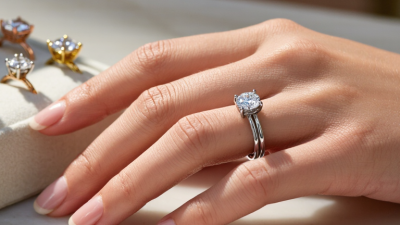
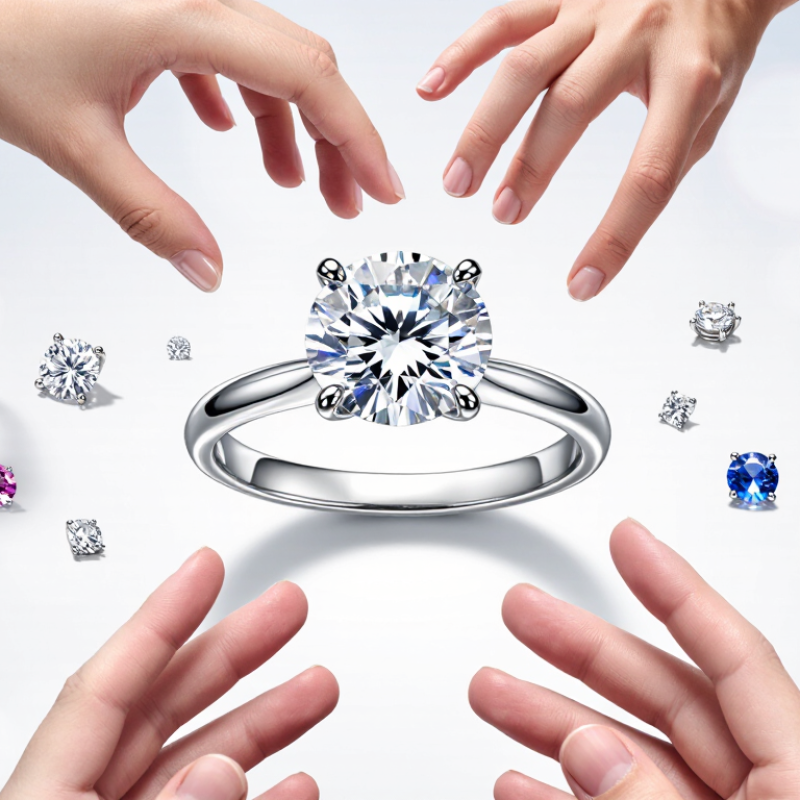
Tradition also plays a role, though it does not explain every couple’s choice. Many people value diamonds as symbols of commitment and lasting affection, while others simply prefer their sparkle and the range of designs available. A solitaire setting offers a clean, classic look; a halo or pavé band creates more detail. The setting, metal, and stone shape can change the ring’s character considerably. Small choices matter.

There are practical details worth considering, too. A diamond is highly resistant to scratching, but its setting can still loosen or collect dirt, so periodic inspection and gentle cleaning help protect the ring. Comfort matters as much as appearance, especially for someone who wears a ring daily. Couples may also compare natural and laboratory-grown diamonds, considering budget, origin, and personal priorities rather than assuming one option suits everyone. Popular does not mean perfect. A familiar style can feel reassuring, but it may not reflect every person’s taste or values. The strongest reason to choose a diamond wedding ring is not its popularity alone; it is the meaning its wearer gives it.
Why Are Diamond Wedding Rings So Popular?

The Origins and Evolution of Diamond Wedding Rings

Wedding rings existed long before diamond rings became fashionable. In many cultures, couples exchanged plain bands made from materials such as iron or gold. Diamonds entered European betrothal customs much later. A 1477 ring given by Archduke Maximilian of Austria to Mary of Burgundy is often cited as an early, well-documented example of a diamond engagement ring. It was not the start of a universal tradition.

Changing craftsmanship helped diamonds catch on. Early stones had modest cuts, while later techniques created more facets and brighter flashes of light. Expanded mining during the nineteenth century also made diamonds more available to wealthy buyers. In the twentieth century, advertising linked a diamond ring with lasting commitment. That message shaped expectations, though not every couple followed it.

The story is not perfectly neat. Engagement and wedding rings have different histories, even though people sometimes use the terms loosely. Today, some couples choose diamond bands for their sparkle; others prefer plain metal, vintage stones, or no ring at all. A small diamond can catch the light beside a sink or under a candle, but its meaning comes from the people wearing it. Traditions change. They always have.

The Symbolism of Diamonds in Marriage

A diamond wedding ring often represents a promise meant to endure. Its bright, clear surface can suggest honesty, while its durability offers a vivid image of commitment through changing years. For many couples, the ring becomes a daily reminder of vows, not merely a piece of jewelry. A glance at it while washing dishes or holding hands can bring those promises back into view.

The symbolism is personal, too. Some people value a family stone; others choose a ring together to mark a shared beginning. The meaning comes from the people wearing it. Diamond is the hardest natural mineral on the Mohs scale, but hardness does not make it indestructible: a sharp impact can still cause damage. That detail makes the metaphor less perfect, perhaps more human. Marriage also needs care. A ring can carry a story, but it cannot keep a relationship strong by itself. The small scratches that gather over time may even become part of its character.

How Diamond Properties Shape Their Appeal

Diamonds attract attention through the way they handle light. Their high refractive index bends light as it enters and leaves the stone, while dispersion separates some light into subtle flashes of color. A well-proportioned cut helps these effects show clearly. Tiny facets matter. In bright daylight, a ring may sparkle with crisp white flashes; under warm indoor lights, the same stone can look softer. Sparkle is not guaranteed, though. Cut quality, cleanliness, and lighting all affect what the eye sees.

Diamond ranks 10 on the Mohs scale, so it resists everyday scratching better than most gemstones. That durability suits a ring worn often, but hardness does not mean indestructibility. A sharp impact can chip a diamond, and a loose setting can put the stone at risk. Regular checks and gentle cleaning help keep its appearance bright. There is a trade-off, too: color, clarity, cut, and carat weight each influence a stone’s look and price. It is easy to overvalue sparkle in a display case. On a hand, in changing light, the details can feel different. That small gap between expectation and daily wear is worth considering.

Why Are Diamond Wedding Rings So Popular? — How Diamond Properties Shape Their Appeal

Diamond property Fact or measurement How it contributes to a ring’s appeal Practical consideration
Hardness Diamond ranks 10 on the Mohs scale of mineral hardness. Its high resistance to scratching helps a diamond maintain a polished appearance through regular wear. Hardness is not the same as toughness: a sharp impact can chip or fracture a diamond, so careful handling still matters.
Refractive index Diamond’s refractive index is approximately 2.42 in visible light. This high refractive index helps light reflect and bend within a well-cut stone, contributing to its bright appearance. Appearance depends on cut proportions and finish as well as the material itself.
Dispersion Diamond has a visible-light dispersion value of about 0.044. Dispersion separates white light into spectral colors, producing the flashes of color commonly called “fire.” The visibility of fire varies with lighting, cut, and viewing angle.
Cut and light return Cut describes how a faceted diamond’s proportions, symmetry, and finish affect its interaction with light; it is distinct from shape. A well-executed cut can create strong brightness, contrast, and sparkle, making the stone visually striking. Round, oval, and other shapes can have different facet patterns. Shape alone does not determine cut quality.
Color The widely used D-to-Z grading scale runs from colorless to light yellow or brown. Colorless and near-colorless stones are valued for a bright, clean look, while warmer tones offer a different appearance. Color can be easier to notice in larger stones and may appear different depending on the setting and lighting.
Clarity Clarity grades describe the presence and visibility of internal features (inclusions) and surface features (blemishes). Many buyers appreciate the idea of selecting a stone whose visible characteristics feel distinctive and personal. Some features require magnification to see; a higher clarity grade does not automatically mean greater sparkle.
Carat weight One carat is exactly 0.2 grams. Carat provides a standard way to describe a diamond’s weight, giving buyers a clear point of comparison. Carat is weight, not face-up size. Two diamonds of equal weight can look different in size because of their shape and proportions.
Chemical stability Diamond is a crystalline form of carbon and is generally resistant to many common chemicals. Its stable material properties suit a piece of jewelry intended to be worn and kept for a long time. Metal settings and accumulated dirt can affect a ring’s appearance, so routine inspection and cleaning are useful.
Symbolic meaning Symbolism is cultural rather than a measurable mineral property; diamonds are commonly associated with commitment and enduring relationships. This established symbolism helps explain why diamonds are frequently chosen for wedding and engagement jewelry. Personal preference, budget, and lifestyle are also important when choosing a wedding ring.

Measurements are approximate where noted. A diamond’s appearance depends on the combination of its individual characteristics, cut, setting, lighting, and viewing conditions.

Cultural Traditions and Marketing Influence

Diamond wedding rings endure partly because culture gives them a ready-made story. A clear stone can signal commitment, continuity, and a family keepsake, while ceremonies and photographs make that symbol visible. Advertising has reinforced the link between diamonds and lasting love for generations. Repetition matters: couples often encounter the same message in films, shop windows, and relatives’ heirlooms. It can feel like personal taste, even when culture helped shape it.

Marketing also turns a tradition into a practical shopping choice. A 2024 Real Weddings Study of U.S. couples reported an average engagement-ring spend of about $5,500. That figure measures spending, not why people chose a diamond, so it should not be treated as proof of universal preference. Still, familiar imagery, store displays, and advice about “classic” styles can make diamonds seem like the safe option. Small details help: a solitaire looks bright in a proposal photo, and an inherited stone carries a visible family story. But the message can narrow expectations. Not every couple wants the same symbol, and a ring’s meaning is not measured by its price. I find that distinction easy to overlook.

Modern Preferences and Alternatives to Diamond Rings

Diamond rings remain popular because they pair familiar sparkle with a durable stone and a clear place in wedding tradition. Yet modern couples often choose based on personal style, budget, and how a ring feels during daily life. A low-set stone may catch less on knitwear, while a simple band can feel more comfortable at a keyboard. Preferences vary.

Alternatives offer different looks and practical trade-offs. Sapphires bring rich color, while moissanite has strong brilliance and generally costs less than diamond. Some couples prefer plain gold or platinum bands, especially when they want a ring that needs little attention. Others choose lab-grown diamonds, which have the same basic crystal structure as mined diamonds. Their origins and environmental impacts can differ, so ask sellers for clear sourcing and care information. No option is perfect. A colorful stone may show wear differently, and a bright stone may not suit everyone’s taste. That deserves thought.

Tips: Try rings in natural light and under indoor lighting. Check how the setting feels beside your other jewelry. Ask about resizing, cleaning, and repair before buying. Choose a design you’ll enjoy wearing, not just photographing.

one of a kind
Create a One Of a Kind

CUSTOM CRAFTED TIMELESS JEWELRY​

With our award-winning goldsmiths, the end result will be a tailor-made heirloom you and your loved ones will treasure for generations. Together we walk through the design process. We listen to you carefully. Discuss what you want and what you don’t, and provide an excellent collaborative experience to bring your vision to life.

location
We invite you to visit us today

Let us show you

From the moment you walk in, you are treated like family. We will make your jewelry shopping experience easy and help you find the perfect piece.

search