Choosing among China’s top engagement rings can feel exciting, then surprisingly technical. NYC buyers may compare a classic solitaire, a halo setting, or a slim pavé band in one afternoon. Each looks different under showroom lights. A ring should also feel comfortable on your hand, suit your daily routine, and fit a clearly defined budget. The details matter: prong height, band width, center-stone shape, and how the setting catches light. Small differences can change the look.
For practical context, Olivia Landau, founder of New York–based The Clear Cut, is a recognized diamond-industry expert. A concise paraphrase of her buyer-focused advice—not a verified verbatim quotation—is: “Choose with both your personal taste and your budget in mind.” That distinction matters. A polished quote should never be mistaken for a sourced interview. This guide compares ten styles for shoppers exploring engagement rings nyc, with attention to appearance, wearability, and questions to ask before buying. It also considers how settings pair with different stone shapes and what to inspect in person. Bring reference photos, try on more than one band width, and ask for clear details about the stone and setting. One overlooked point: showroom lighting can flatter a ring. Check its appearance in ordinary light, too. There is no single best choice. A thoughtful comparison can help you find a ring that feels right beyond the display case.
China and New York City shape engagement-ring choices in different ways, but buyers often share the same priorities: comfortable wear, clear documentation, and a design that feels personal. In New York, shoppers may compare stones and settings in person, often under bright store lighting. Buyers ordering from China for a New York proposal should also consider shipping time, insurance, and whether the ring can be resized locally. Small details matter. A delicate setting may look elegant in a display case yet catch on knitwear during a cold NYC commute.
The market is not one-size-fits-all. Some couples prefer a classic solitaire; others value practical settings that sit lower on the hand. Stone appearance can change under daylight, office lighting, and indoor evening light, so ask for viewing images or a video in more than one setting. Request a written description of the stone, metal, measurements, and return or service terms before paying. Cross-border purchases can be convenient, though communication and after-sale service may take more effort. That part is easy to underestimate.
Tips: Check ring size with a trusted local jeweler, and allow extra time for adjustments. Keep invoices and grading documents together. If a seller’s photos seem too perfect, ask for an unfiltered video. It may feel awkward, but clarity beats guessing.
China Top 10 Engagement Rings for NYC Buyers
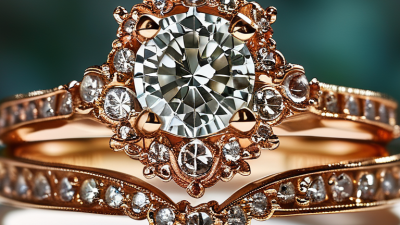
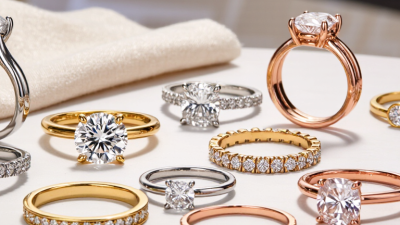
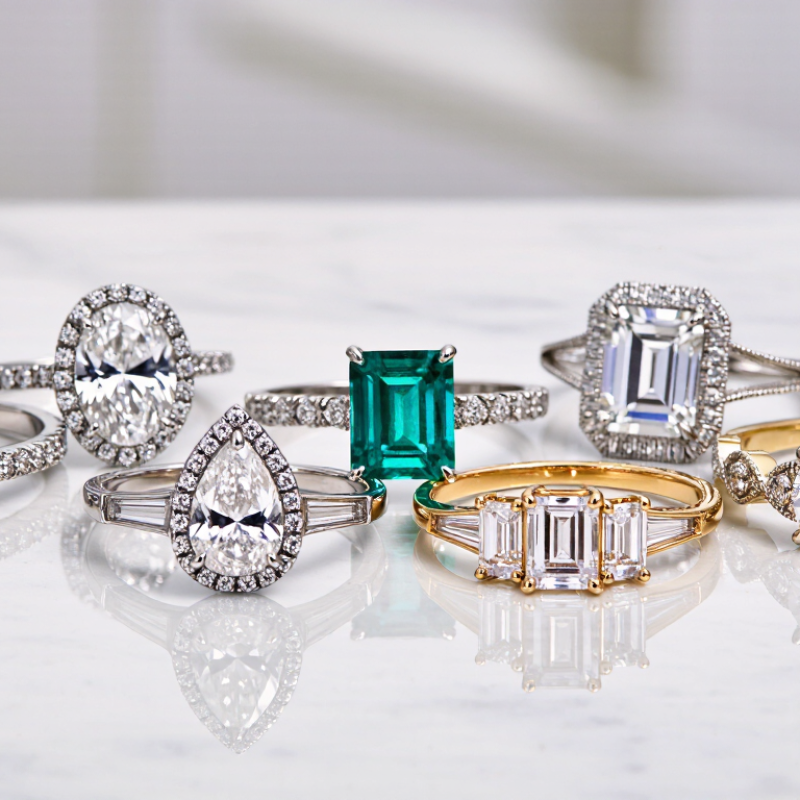
Ten popular engagement ring styles available from China include solitaire, halo, three-stone, pavé, vintage-inspired, bezel-set, cathedral, twisted-band, hidden-halo, and east-west designs. Each suits a different hand and routine. A slim solitaire leaves room for gloves; a bezel setting can feel practical on crowded subway commutes. Halo settings add visible sparkle, while three-stone rings create a broader look.
Small details matter. Ask for exact metal purity, center-stone measurements, setting dimensions, and clear photographs before ordering. “Vintage-inspired” is a design description, not a guarantee of antique craftsmanship.
The Knot’s 2024 Real Weddings Study reported an average engagement-ring spend of about $5,500 among surveyed U.S. couples married in 2023. That figure is a reference, not a NYC budget rule. Compare complete quotes, including stone, setting, shipping, and resizing.
GIA’s diamond education guidance explains the 4Cs—cut, color, clarity, and carat weight—which helps buyers compare stone specifications consistently. For lab-grown stones, request disclosure of origin and grading documentation. A certificate does not show how a ring feels on your hand.
I would still test the band width in person; online measurements can be easy to misread.
For NYC buyers comparing China’s top engagement rings, metal choice should start with daily wear. Platinum feels substantial and resists tarnish, while 14-karat gold offers a practical balance of durability and color. Yellow gold warms the hand; white gold gives a cooler look but may need replating. Small detail, big difference. The Knot’s 2024 Real Weddings Study reported an average engagement-ring spend of about $5,200 among surveyed U.S. couples. That figure is a reference, not a target: setting complexity and stone origin can shift prices considerably.
Gemstones need more than a sparkle check. GIA’s 4Cs framework—cut, color, clarity, and carat weight—helps buyers compare diamonds consistently. For colored stones, ask for independent identification and treatment disclosures; vivid color alone proves little. In bright Manhattan storefronts, a stone can look lively, then seem muted on a subway ride. Check it in daylight too.
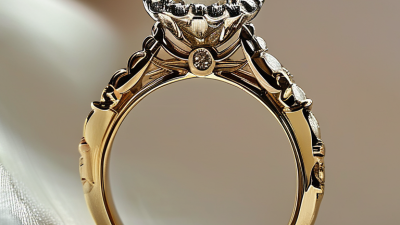
Craftsmanship shows at the prongs, stone alignment, and smoothness beneath the setting. Ask whether the ring can be resized and how the design affects future repairs. A delicate pavé band may catch on knitwear, even when beautifully finished. I would not judge a ring from photographs alone; online images can hide uneven settings. Request clear close-ups and written specifications before comparing pieces.
A practical comparison of ring styles that can be made by Chinese manufacturers for New York City buyers
| Rank | Ring Style | Common Center Gemstone | Metal Options | Craftsmanship Details | Durability Consideration | NYC Buyer Consideration |
|---|---|---|---|---|---|---|
| 1 | Solitaire | Diamond, lab-grown diamond, or moissanite | Platinum, 14K or 18K gold | A single center stone held by prongs or a bezel; precise setting alignment is important. | Diamond is 10 on the Mohs scale; moissanite is about 9.25. Check prongs periodically. | A clean profile is easy to pair with many wedding bands; request a low-profile setting if gloves or daily tasks are a concern. |
| 2 | Hidden Halo | Diamond or lab-grown diamond | Platinum, 14K or 18K gold | Small accent stones sit beneath the center stone; careful pavé setting and a secure gallery are key. | Diamond accents are hard, but small stones can loosen if the ring is knocked or poorly maintained. | Adds detail from side views while keeping the top view relatively understated; inspect the underside and cleaning access. |
| 3 | Three-Stone | Diamond, sapphire, or a combination | Platinum, 14K or 18K gold | A center stone flanked by two side stones; matching proportions and secure settings affect balance. | Durability depends on the stones used; diamond and sapphire are Mohs 10 and 9, respectively. | Side stones add width, so confirm the ring's overall dimensions and how it sits beside a wedding band. |
| 4 | Oval-Cut Solitaire | Diamond, lab-grown diamond, or moissanite | Platinum, 14K or 18K gold | An elongated center stone in prongs or a bezel; even facet pattern and secure end prongs matter. | Hardness varies by gemstone; prongs at the pointed ends need regular inspection. | The elongated shape can appear prominent on the finger; compare length-to-width proportions in person or with a scale drawing. |
| 5 | Bezel-Set | Diamond, sapphire, or moissanite | Platinum, 14K or 18K gold | A continuous metal rim surrounds the stone; an even, well-fitted bezel is essential. | The rim helps protect the stone's edge, but suitability still depends on the gem and setting quality. | A smooth profile can be practical for frequent wear; confirm that the bezel does not make the ring feel too wide. |
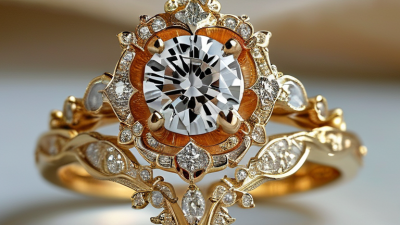
| 6 | Vintage-Inspired Halo | Diamond, sapphire, or lab-grown diamond | Platinum, 14K or 18K gold | A center stone framed by smaller stones, often with milgrain or engraved details; consistent finishing is important. | Many small settings require periodic checks and careful cleaning. | Detailed designs can catch on fabric; ask for close-up photographs and a clear maintenance policy. |
| 7 | Three-Stone Sapphire | Blue or other sapphire, often with diamond accents | Platinum, 14K or 18K gold | Matched side stones and a stable center setting create visual balance; request disclosure of treatments. | Sapphire is Mohs 9 and is generally suitable for daily wear, though it can still chip under impact. | Ask for gemstone identification and treatment details, especially when comparing stones with different colors or origins. |
| 8 | Emerald-Cut Solitaire | Diamond, lab-grown diamond, or emerald | Platinum, 14K or 18K gold | A step-cut rectangular stone highlights clarity and symmetry; corner protection and accurate setting are important. | Diamond is very hard; emerald is typically Mohs 7.5–8 and may have inclusions that need extra care. | Ask for clear, well-lit images of the stone; step cuts make inclusions and symmetry easier to see. |
| 9 | Three-Stone Moissanite | Moissanite center with moissanite or diamond accents | 14K or 18K gold, or platinum | Carefully matched stones and secure prongs support a cohesive look; confirm the accent-stone material. | Moissanite is about 9.25 on the Mohs scale and is durable, though settings still need care. | Confirm that the listing identifies moissanite accurately and provides the metal's karat or fineness. |
| 10 | Three-Stone Emerald | Emerald center with diamond or sapphire accents | Platinum, 14K or 18K gold | A protective setting and well-matched side stones are important; request details about any treatments. | Emeralds are less resistant to scratches and impact than diamond or sapphire; wear with extra care. | Best for buyers comfortable with gentler wear and maintenance; obtain a written description of the gemstone and its condition. |
Notes: The ranking is a style comparison, not a sales or quality ranking. Mohs hardness measures scratch resistance, not resistance to breaking. Metal color, alloy, gemstone treatments, setting work, and final quality should be verified with documentation and an independent inspection. Prices are not listed because they vary substantially by stone specifications, metal weight, labor, and certification.
For New York City buyers comparing Chinese jewelers and ring suppliers, a polished product photo is only a starting point. Ask for the center stone’s grading report, metal purity, ring size range, and a written description of any accent stones. Details should match across the listing, invoice, and inspection documents. If they do not, pause and request clarification.
A reliable supplier explains production timelines and what happens if a ring needs resizing or repair. Request close-up images in neutral light, plus a short video showing the setting from several angles. Check whether sample orders are available and whether shipping, insurance, and return conditions are clearly stated. Keep all specifications in writing. Vague replies are a warning sign. So is pressure to pay quickly.
Communication matters across time zones. Ask one practical question and note whether the answer is direct, consistent, and easy to verify. Independent gemological reports can help buyers assess qualifying stones, while an experienced local jeweler may inspect the finished setting. Neither replaces careful documentation. I would not treat a fast response as proof of quality; I once mistook speed for certainty. That was a weak assumption. Compare several suppliers on workmanship, service, and transparent terms, not just the quoted price.
Choosing a Center Stone: Hardness Comparison
Mohs hardness indicates scratch resistance, not overall durability. Values shown as ranges use their midpoint for charting; actual durability also depends on toughness, inclusions, and setting. Diamond, moissanite, and corundum (sapphire or ruby) rank among the hardest options for everyday wear.
For NYC buyers comparing China-made engagement rings, confirm the ring size before production. Ask for the inner diameter in millimeters, not only a size label, and check the maker’s sizing chart. A slim band and a wide band can feel different on the same finger. Request the finished ring’s measurements and metal details in writing. Small mismatch, big headache.
Ask for an independent grading report for the center diamond, and verify its report number with the issuing laboratory. A report describes gem characteristics; it is not an appraisal or a guarantee of resale value. The Gemological Institute of America’s 4Cs framework—cut, color, clarity, and carat weight—helps buyers compare stones consistently. Bain’s 2023 global diamond industry report also noted that lab-grown diamonds were gaining share, making clear disclosure of a stone’s origin especially important. Read the report carefully. I would not rely on a seller’s certificate alone.
Before paying, get the dispatch date, tracking method, insurance terms, and a clear plan for delays or damage. Ask whether the shipment is delivered duty paid or whether you may owe import charges on arrival. U.S. Customs and Border Protection requirements can depend on the product’s materials, declared value, and shipping arrangement; confirm current rules with the carrier or CBP. Keep the invoice and product description. One detail often gets missed: the declared description should accurately identify the ring and its metal, not just say “gift.”
With our award-winning goldsmiths, the end result will be a tailor-made heirloom you and your loved ones will treasure for generations. Together we walk through the design process. We listen to you carefully. Discuss what you want and what you don’t, and provide an excellent collaborative experience to bring your vision to life.
From the moment you walk in, you are treated like family. We will make your jewelry shopping experience easy and help you find the perfect piece.