How to Choose the Best Diamond Wedding Rings?

Choosing the best diamond wedding rings is not simply a matter of finding the largest stone. A beautiful ring must suit your lifestyle, budget, daily comfort, and personal values. The right choice should feel meaningful at the altar and practical during ordinary mornings.

Begin with the diamond’s four Cs: cut, color, clarity, and carat weight. Cut usually affects sparkle most, especially under warm indoor lighting. Ask for an independent grading report from a trusted laboratory, such as GIA or IGI. Examine the stone in daylight, store lighting, and close photographs. Online images can mislead.

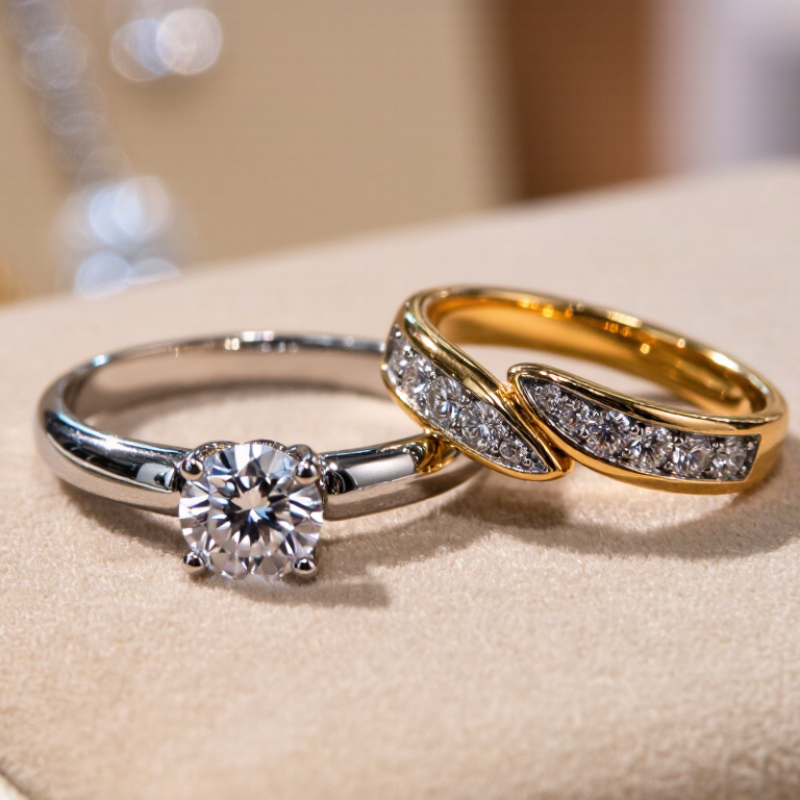
The setting deserves equal attention. A low-profile design may feel safer for active work, while raised prongs can create more visible sparkle. Platinum and gold offer different appearances, durability, and maintenance needs. Try the ring with your engagement ring if you plan to wear both together. Small gaps can become surprisingly irritating.

Responsible sourcing also matters. Ask retailers about diamond origin, chain-of-custody information, recycled metals, and warranty coverage. An experienced jeweler should explain these details without rushing your decision. Compare return policies, resizing limits, cleaning services, and insurance documentation before paying.

There is no perfect formula. A higher carat does not guarantee greater beauty, and a flawless grade may exceed your practical needs. I have found that buyers sometimes focus on certificates while ignoring comfort. That mistake can be costly.

This guide will help you compare diamond wedding rings with clearer expectations. It will also encourage thoughtful questions, honest budget decisions, and a choice that remains wearable long after the celebration ends.
How to Choose the Best Diamond Wedding Rings?

Define Your Diamond Wedding Ring Budget and Priorities

Define your diamond wedding ring budget before comparing carat sizes or settings. A 2023 U.S. real-weddings study reported an average engagement-ring spend of about $5,500. Treat that figure as context, not a target. Your income, savings, and wedding plans matter more. Set a firm ceiling, then reserve 10% for resizing, insurance, maintenance, or unexpected setting repairs. Keep emergency savings separate. The Federal Reserve’s 2022 Survey of Consumer Finances reported a median family transaction-account balance of roughly $8,000. A large purchase can quickly consume that cushion.

Choose your priorities in writing. Do you value diamond size, visible brightness, ethical sourcing, or a durable setting? You may not afford every preference. That is normal. A well-cut diamond often looks livelier than a larger stone with weaker proportions. Review its independent grading report, then inspect it under daylight and warm indoor lighting. Ask how inclusions affect durability, especially near the girdle or corners. A lower clarity grade may be sensible when imperfections remain invisible without magnification. I would avoid sacrificing financial stability for a symbolic upgrade. Honestly, many couples begin with a polished ring budget and revise it after seeing real prices. Leave room for that rethink.

Choose the Right Diamond Shape, Cut, Color, and Clarity

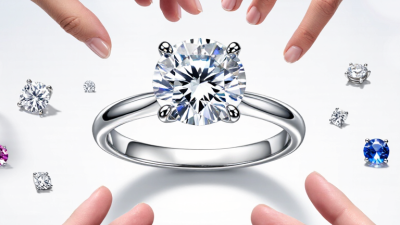
Choosing the best diamond wedding ring begins with understanding shape and cut. Shape describes the diamond’s outline, such as round, oval, pear, or emerald. Cut measures how well its facets interact with light. A well-cut diamond can appear lively, even when it is smaller. I have found that many buyers confuse shape with cut, which can lead to disappointing comparisons.

Consider color and clarity together. Color grades describe how much warmth a diamond shows, while clarity records internal and surface features. Near-colorless stones often look bright in white metal, but warmer tones may suit yellow or rose gold. Clarity does not require perfection. A diamond with tiny inclusions can look clean without magnification. Inspect it under different lighting, including soft indoor light and daylight. Do not judge only from photographs.

Tips: Choose a shape that fits the wearer’s lifestyle. Sharp corners may need protective settings. Ask to view the diamond through a loupe, then without one. Request an independent grading report and compare its details with the stone. Check symmetry, polish, and fluorescence, not just the main grade. Comfort matters too; a narrow band may feel elegant but could twist during daily work. Leave room for doubt. A trusted professional should explain trade-offs clearly, without rushing your decision.

Select a Metal and Ring Setting That Match Your Lifestyle

Choosing a diamond wedding ring begins with your daily routine, not only the diamond’s sparkle. A ring should fit your hands, work, and personal habits.

Platinum offers strong durability and a naturally white appearance. It also suits many people with sensitive skin. However, it feels heavier and may cost more.

Fourteen-karat gold often balances strength and value for everyday wear. Eighteen-karat gold looks richer, but it can scratch more easily. Rose gold adds warmth, although its alloy may not suit every skin type.

I once admired a delicate high-karat ring, but it seemed impractical for frequent lifting and gardening.

The setting matters just as much.

Prong settings expose more of the diamond and create extra sparkle. They may catch on knitwear or need regular inspection.

A bezel setting surrounds the stone with metal, offering useful protection for active lifestyles.

Channel settings can feel smooth, but cleaning between the stones takes patience.

For hands that work outdoors, a lower profile usually reduces knocks. For office-based routines, a more raised design may be comfortable if checked carefully.

Ask a qualified jeweler about metal allergies, resizing limits, stone security, and maintenance costs. Bring a short list of real activities, such as swimming, cooking, typing, or childcare.

Your ideal ring may still need compromises. A beautiful choice is not always the easiest one to live with.

Find the Correct Ring Size, Comfort, and Long-Term Fit

How to Choose the Best Diamond Wedding Rings?

A diamond wedding ring should fit your real life, not only a showroom mirror. The 2023 U.S. Real Weddings Study surveyed nearly 10,000 couples and reported an average engagement-ring spend of $5,500. That investment deserves careful sizing, especially when the ring will face daily movement, temperature changes, and years of wear.

Measure your finger at room temperature, preferably late in the day. Fingers can swell after exercise, salty meals, or hot weather. Ask a qualified jeweler to measure twice, using a professional ring gauge. Do not guess. A ring should slide over the knuckle with light resistance, then sit securely without leaving a deep mark. GIA consumer guidance also recommends considering finger shape, band width, and seasonal changes during fitting.

Comfort depends on more than size. A rounded inner edge can reduce friction, while a very wide band may feel tighter than its measured size. Try the ring beside your future wedding band, if possible. Wear it for several minutes and move your hands naturally. Notice pressure near the knuckle. A perfect showroom fit may feel different in July.

Long-term fit requires some humility. Fingers change with age, health, and climate. I would avoid choosing a tight size for a slimmer appearance. It may become uncomfortable later. A slightly secure fit, professional measurement, and a documented resizing policy offer better protection. The overlooked detail is often the most important: whether you can remove the ring easily in an emergency.

How to Choose the Best Diamond Wedding Ring: Size, Comfort, and Long-Term Fit

Standard US ring-size measurements help match the ring’s inner diameter and circumference to your finger.

Measure your finger at the end of the day when it is normally warm, and check the widest part of the finger or knuckle. Wider bands can feel tighter than narrow bands, so comfort should be tested before ordering. Fingers may also expand with heat and contract in cold weather; a well-fitted ring should slide over the knuckle with slight resistance but remain comfortable during daily wear.

Compare Certification, Craftsmanship, Warranty, and Ethical Sourcing

A diamond wedding ring deserves more than a bright showroom light. Start with an independent grading report that lists the diamond’s cut, color, clarity, carat weight, measurements, and treatments. Check that the report number matches the inscription on the diamond. A certificate is useful, but it is not a substitute for examining the stone in person. Ask for the paperwork.

Craftsmanship becomes visible through small details. Look for even prongs, a centered stone, smooth edges, and clean soldering around the band. The ring should feel balanced, not sharp, when it slides over your finger. I once focused too heavily on sparkle and missed an uncomfortable inner edge. Small details matter. Ask whether resizing affects the setting or voids the warranty. Read the warranty carefully, especially its coverage for loose stones, damage, maintenance, and inspections. A generous promise may still exclude everyday wear.

Ethical sourcing needs specific evidence, not vague language. Request information about the diamond’s supply chain and the metal’s origin. Recycled metal claims should include clear documentation. Responsible sourcing policies should address labor conditions, environmental controls, and supplier checks. An ethical claim without records is difficult to trust. Compare written disclosures, not just polished sales language. Some buyers may prefer a slightly less perfect diamond with stronger traceability. That choice is personal. It also requires reflection: appearance is immediate, while sourcing decisions affect people and ecosystems far beyond the proposal day.

How to Choose the Best Diamond Wedding Rings? — Compare Certification, Craftsmanship, Warranty, and Ethical Sourcing

Evaluation Area Reliable Baseline Higher-Assurance Choice What to Verify Before Buying
Diamond certification An independent laboratory report describing the diamond’s 4Cs: carat weight, color, clarity, and cut. A report with a clear grading number, security features, proportions, fluorescence information, and a plotted clarity diagram where applicable. Confirm that the report matches the diamond, check the report date and number, and compare any laser inscription with the document.
Cut quality For a round brilliant diamond, choose a laboratory-graded cut of Very Good or Excellent, subject to visual inspection. Prioritize Excellent or equivalent cut performance, strong symmetry, good polish, and balanced light return rather than carat weight alone. Review video or in-person viewing for brightness, contrast, scintillation, windowing, and visible dark areas.
Color and clarity Select a color and clarity grade that appears eye-clean and suits the metal color; higher grades are not always visibly better. Choose the highest visible beauty within budget, while avoiding inclusions that threaten durability, especially near the girdle or corners. Ask whether the clarity characteristics are visible without magnification and whether the setting protects vulnerable edges.
Metal quality Choose a clearly marked precious-metal fineness, such as 14K or 18K gold, or platinum marked with its legally required fineness. Use a metal selected for lifestyle: 14K gold generally offers greater hardness, while platinum is naturally dense and does not require plating to appear white. Check the hallmark, alloy composition, nickel information if relevant, and whether white gold requires periodic rhodium replating.
Setting craftsmanship Prongs should be even and secure, the center stone should be straight, and there should be no sharp edges or visible gaps. Look for consistent finishing, symmetrical alignment, well-formed beads or prongs, a protected girdle, and a smooth interior profile. Request close-up images, ask how the setting is inspected, and verify that the ring sits flush with any matching band if desired.
Durability and maintenance A secure setting, adequate band thickness, and regular professional inspections are more important than decorative complexity. Choose a design appropriate for daily wear, with reinforced corners for fancy shapes and a setting that can be professionally tightened or repaired. Ask how often inspections are recommended, whether prong tightening is available, and which activities require removing the ring.
Warranty coverage Written coverage for manufacturing defects, such as faulty soldering or defective settings, with stated exclusions. A clearly defined long-term or lifetime service policy that includes inspections and specifies repair, replacement, and shipping procedures. Check whether loss, theft, accidental damage, normal wear, resizing, stone replacement, and required inspections are excluded.
Insurance documentation Keep the laboratory report, detailed invoice, metal fineness, measurements, and clear photographs in a secure location. Obtain an independent appraisal for replacement value and update it periodically because market values can change. A warranty is not the same as insurance; confirm that the policy covers loss, theft, accidental damage, and international travel if needed.
Ethical diamond sourcing Request a written statement about origin or supply-chain controls and confirmation that the diamond complies with applicable conflict-diamond regulations. Choose a diamond with documented chain-of-custody information, traceable sourcing, or independently verified origin claims. The Kimberley Process addresses rough-diamond conflict trade but does not by itself verify every labor, environmental, or human-rights claim.
Recycled or responsibly sourced metal The seller identifies the metal type and provides a specific explanation of whether it is recycled, newly mined, or a combination. Choose documented recycled content or a responsible-mining standard supported by written supplier records. Ask whether “recycled” refers to pre-consumer or post-consumer metal and whether the claim applies to the entire ring or only part of it.
Lab-grown diamond option A lab-grown diamond should also have an independent report identifying its 4Cs and laboratory-grown origin. Request information about production technology, energy use, environmental claims, and report verification. Lab-grown and mined diamonds are both real diamonds, but their origin, pricing, resale expectations, and environmental claims should be assessed separately.
Best overall selection rule Buy the most visually attractive, well-documented diamond in a durable setting that fits the wearer’s daily routine. Balance cut performance, setting security, transparent sourcing, after-sales service, and total ownership cost. Do not compare price alone; compare the complete documentation, craftsmanship, warranty terms, ethical evidence, and maintenance requirements.

Note: Warranty terms, sourcing documentation, return policies, and grading practices vary by seller and jurisdiction. Always review the current written terms before purchase.

one of a kind
Create a One Of a Kind

CUSTOM CRAFTED TIMELESS JEWELRY​

With our award-winning goldsmiths, the end result will be a tailor-made heirloom you and your loved ones will treasure for generations. Together we walk through the design process. We listen to you carefully. Discuss what you want and what you don’t, and provide an excellent collaborative experience to bring your vision to life.

location
We invite you to visit us today

Let us show you

From the moment you walk in, you are treated like family. We will make your jewelry shopping experience easy and help you find the perfect piece.

search