What Are Unique Engagement Rings?
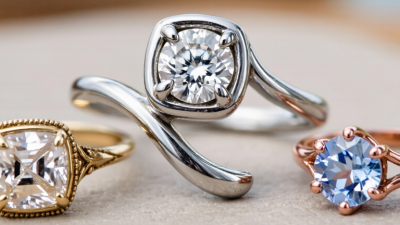
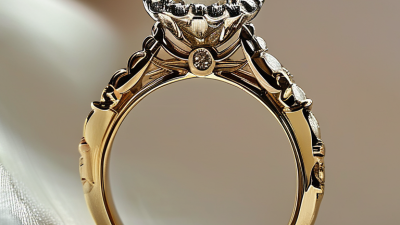
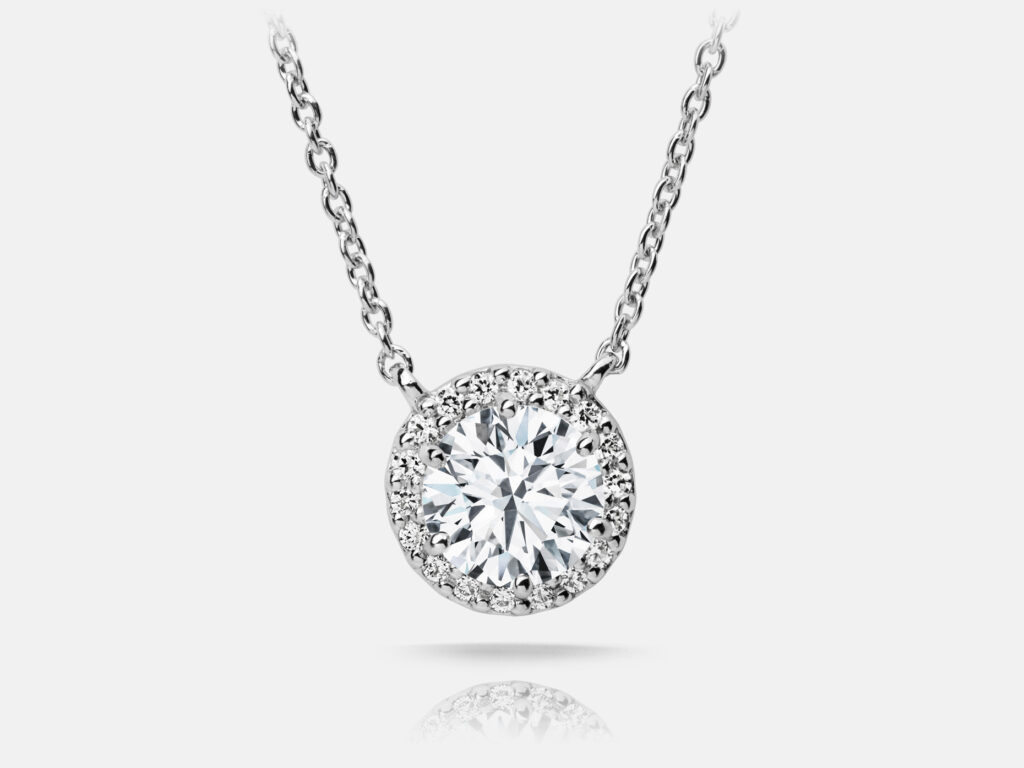
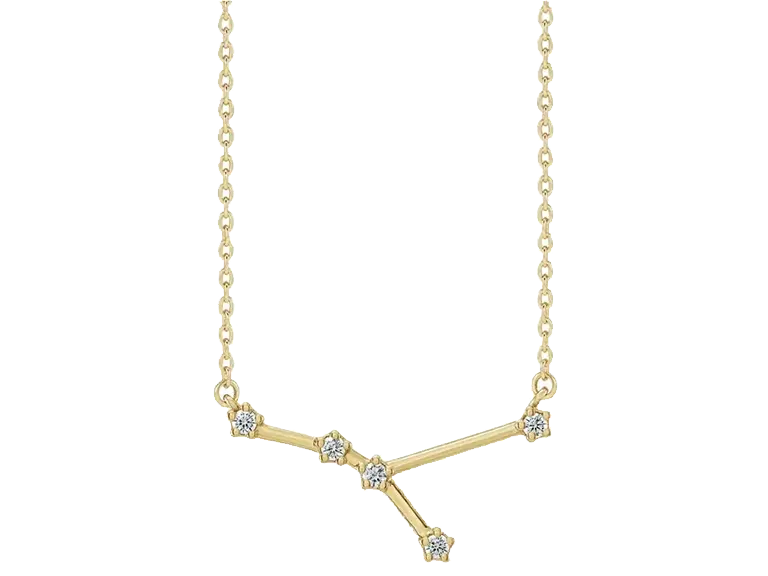
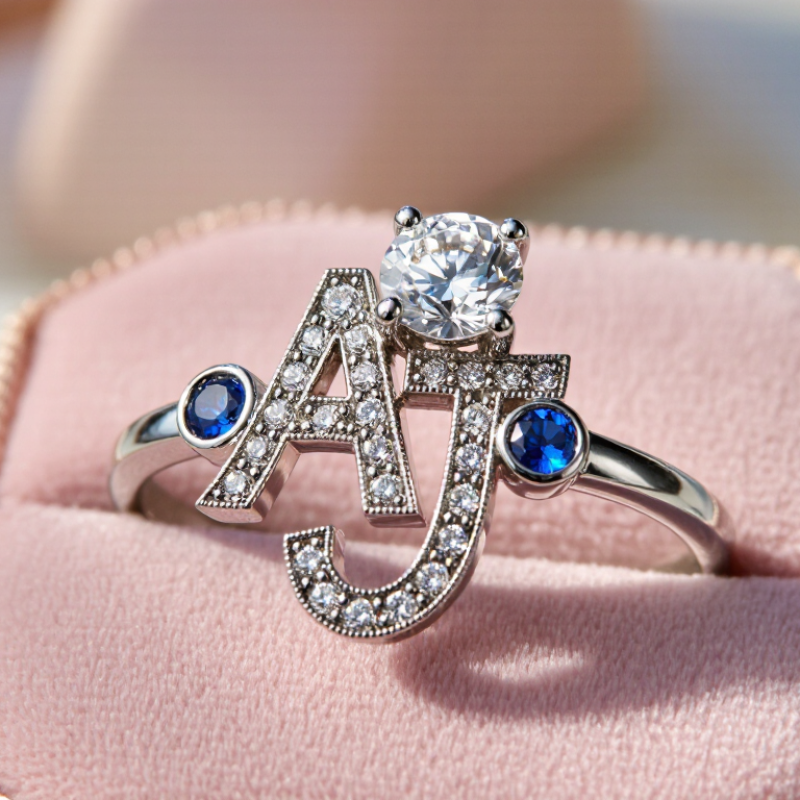
What are unique engagement rings? They are rings designed to express personal taste beyond familiar solitaire styles. Their distinctive character may come from an unusual gemstone, an asymmetrical setting, a vintage-inspired detail, or a meaningful custom element. Imagine a salt-and-pepper diamond beneath soft window light, a sapphire showing deep blue flashes, or a band shaped around two joined initials. These details can make a ring feel personal rather than mass-produced.
Still, “unique” can mislead. A rare-looking design may be uncomfortable, fragile, or difficult to resize. That distinction matters. A thoughtful choice balances appearance, wearability, and long-term value. When comparing unique engagement rings, examine the stone’s quality, setting security, metal durability, and maintenance needs. Ask a qualified jeweler about independent gemstone reports, treatment disclosures, and the origin of materials. Ethical sourcing also deserves attention, especially when selecting diamonds or colored gemstones.
Personal experience often reveals what photographs hide. A raised setting may catch on knitwear, while a delicate band can feel less substantial than expected. Try the ring under different lighting and wear it briefly before deciding, if possible. The most memorable ring is not always the most dramatic one. Sometimes, a small engraving or an imperfectly matched stone carries greater emotional meaning. Even expert advice has limits, because comfort and symbolism remain deeply individual. A reliable jeweler should explain trade-offs clearly, not pressure you toward a higher price. Unique design should support your story, not replace it.
Definition and Core Features of Unique Engagement Rings
What Are Unique Engagement Rings?
Unique engagement rings are designs that move beyond common visual formulas while remaining wearable and meaningful. Their distinctiveness may come from an unusual gemstone, an asymmetrical setting, a sculptural band, or a personal engraving. The key feature is intentional design, not simply a higher price. The Knot’s 2023 Real Weddings Study reported an average engagement ring spend of about $5,500 among surveyed U.S. couples. This figure shows why uniqueness should not depend on luxury materials alone.
A ring can feel individual through details you notice closely. Think of a salt-and-pepper diamond with visible inclusions, a warm-toned metal, or a low-profile setting that sits neatly under a glove. GIA’s consumer guidance identifies the 4Cs as important factors in evaluating diamonds, but clarity or color does not decide whether a ring feels unique. Proportion, craftsmanship, comfort, and the wearer’s story matter too. A distinctive ring should also have secure prongs, balanced weight, and a band that fits daily movement.
The label remains subjective. A handmade ring may still resemble thousands of online designs. That is an uncomfortable truth. Pinterest and social media can make originality feel surprisingly repetitive. Data from The Knot’s study also found that many couples personalize wedding details, suggesting that meaning increasingly influences purchasing choices. Still, personalization does not guarantee good design. Buyers should inspect the setting, request clear gemstone documentation, and ask how repairs will be handled before choosing a dramatic shape.
Key Styles, Materials, and Design Elements
Unique engagement rings move beyond familiar solitaire settings through unusual proportions, textures, or personal details. Popular styles include asymmetrical designs, toi et moi rings, geometric halos, and low-profile bezel settings. A salt-and-pepper diamond can offer a cloudy, natural appearance instead of traditional brilliance. Colored gemstones also create character, especially when paired with a small diamond accent. Some designs look unconventional at first glance. That can be part of their appeal.
Material choices affect both appearance and daily performance. Platinum has a dense feel and naturally white color, while yellow, white, and rose gold create different visual moods. Recycled metals may appeal to buyers who value responsible sourcing, but sellers should provide clear documentation. Lab-grown and mined gemstones also differ in origin, price, and personal meaning. Ask for independent grading information when a diamond’s quality significantly affects the cost. A qualified jeweler can explain durability, maintenance, and metal allergies without relying on vague promises.
Design elements should suit real life, not only photographs. A raised setting may show more of the stone, yet it can catch on clothing. Fine milgrain edges add texture but may require careful cleaning. Engraving can make a ring intimate, though crowded lettering may become difficult to read. No design is perfect. A ring may be visually distinctive but uncomfortable between neighboring fingers. Try it with your usual hand movements, inspect the prongs closely, and consider whether its style still feels meaningful after the first excitement fades.
What Are Unique Engagement Rings? Key Materials Compared
A unique engagement ring can stand out through its gemstone, setting, metal, or overall design. The chart compares the Mohs hardness of several commonly used center stones.
Diamond ranks highest for scratch resistance at 10 on the Mohs scale. Moissanite, sapphire, and ruby are also highly durable choices for everyday wear, while emerald typically measures 7.5–8. Hardness indicates resistance to scratching, not overall resistance to impact or breakage.
How Unique Engagement Rings Differ from Traditional Rings
What Are Unique Engagement Rings?
How Unique Engagement Rings Differ from Traditional Rings
Unique engagement rings stand apart through unusual shapes, colored gemstones, mixed metals, or handcrafted details. Traditional rings often feature a round center stone, a simple band, and a familiar prong setting. Neither style is automatically better. The meaningful difference is personal expression. A pear-shaped stone may feel graceful, while a geometric setting can look architectural on the hand. I have seen unusual designs become treasured pieces, but some initially exciting details can feel tiring after daily wear.
A traditional ring usually offers easier maintenance, familiar proportions, and broader resizing options. Unique rings may require more careful evaluation because asymmetrical settings can catch on clothing or receive uneven pressure. An experienced jeweler should check the stone’s security, metal thickness, and repair options. Ask for a detailed gemstone report when appropriate. Also, view the ring in natural light. Store lighting can flatter almost anything.
Tips: Compare comfort before appearance. Wear a sample for several minutes. Check whether the band sits smoothly beside another ring. Ask how often the setting needs inspection. Choose durable materials for active routines, but do not assume the hardest stone solves every problem. I once underestimated how much a raised setting changed daily comfort. That small detail mattered more than its photograph.
Choosing a Ring That Reflects Personal Taste and Meaning
What Are Unique Engagement Rings?
Unique engagement rings are not simply unusual designs. They are meaningful choices shaped by personal taste, shared memories, and everyday comfort. A ring might feature an asymmetrical setting, a colored gemstone, or a subtle engraving inside the band. The strongest design often reflects a story only two people fully understand. A small stone inspired by a favorite seaside trip can feel more personal than a larger, conventional gem.
Choosing a ring also requires practical judgment. Consider how often the wearer uses their hands, since delicate details may need extra care. Gemstone hardness, metal durability, ring size, and setting security all affect long-term wear. A qualified jeweler can explain these factors and provide clear information about gemstone treatments, metal content, and independent grading reports. In my experience, visual appeal can distract people from comfort. That is easy to overlook. The ring should feel natural, not merely photograph well.
Tips:
Write down three shared memories before viewing designs. Notice which shapes and colors repeatedly attract your attention. Try sample rings for several minutes, then move your hand normally. Ask how the setting should be cleaned and inspected. Leave room for doubt, too. Your first choice may be beautiful but impractical. A meaningful ring does not need to follow tradition, yet it should suit the wearer’s lifestyle and genuine preferences.
Practical Considerations for Budget, Comfort, and Durability
What Are Unique Engagement Rings?
Unique engagement rings express personality through unusual shapes, meaningful details, or less traditional stone arrangements. However, originality should not make daily wear difficult. A ring with sharp edges may catch on sweaters, while a very raised setting can feel uncomfortable during work. Try the ring on for several minutes. Move your fingers. Notice pressure around the knuckle.
Budget deserves equal attention. Set a complete spending limit before choosing a stone, including the setting, resizing, insurance, and future maintenance. A distinctive design does not need an expensive center stone. Smaller stones, alternative cuts, or subtle engraved details can create character without exhausting your savings. Ask a qualified jeweler about stone security, metal quality, and repair options. Request clear documentation. Vague answers deserve caution.
Tips: Choose a profile that suits your routine. If you use tools, exercise often, or work with your hands, avoid delicate projections. Check whether the band can be resized later, because not every design allows it. Inspect the prongs closely; uneven tips may snag fabric. Durability also depends on cleaning habits. Some stones tolerate daily wear better than others. I once underestimated how quickly dust collected beneath a detailed setting. It looked beautiful, but cleaning required patience. That trade-off may matter more than expected.