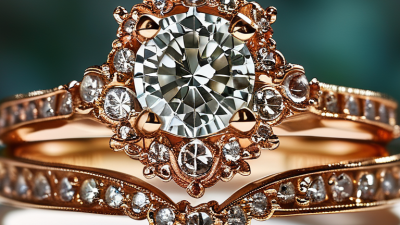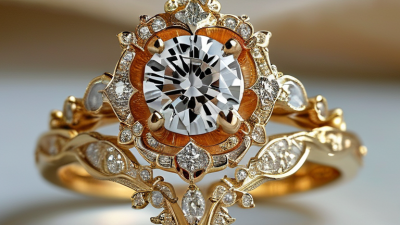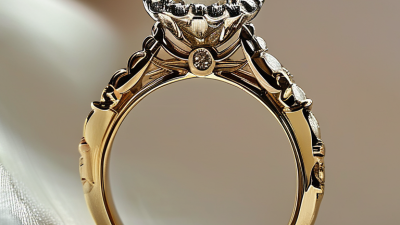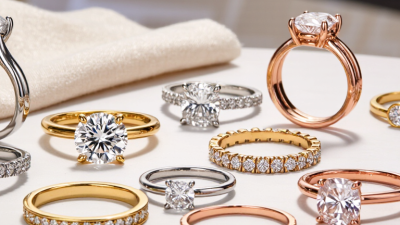
Choosing unique engagement rings is not about finding the strangest design in the display case. It is about discovering a ring that carries personal meaning, practical comfort, and lasting quality. Beth Bernstein, jewelry historian and author, says, “The ring should reflect the wearer, not simply follow a trend.” That idea keeps the search grounded.
A distinctive ring might feature a salt-and-pepper diamond, an antique setting, or an asymmetrical band. Picture the details clearly: a low profile that avoids catching on knitwear, sturdy prongs around the center stone, and a band that feels comfortable after several hours. Beauty matters. So does daily wear.
Begin with the wearer’s habits, not social media. Someone who works with their hands may need a protective bezel setting. Someone who loves vintage clothing might prefer engraved shoulders or an old mine cut. Ask where the gemstone came from, how it was graded, and whether the metal can be repaired. Trustworthy jewelers should explain these points without pressure.
There is room for doubt.
A ring can look extraordinary online yet feel bulky in person. A rare stone may also show natural inclusions that surprise an inexperienced buyer. That does not make it inferior, but it deserves honest discussion. Budget, resizing options, maintenance, and documentation should remain part of the decision. These ten tips will help you compare character with craftsmanship, while avoiding a design chosen only because it is currently popular.
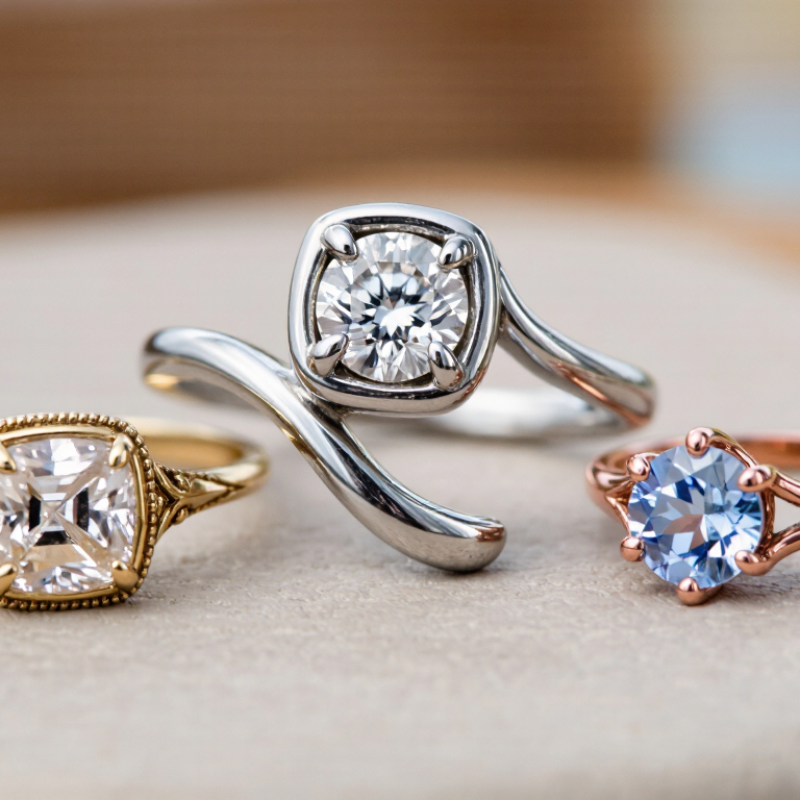
Unique engagement rings are not merely unusual shapes or rare stones. Uniqueness means the ring reflects a real story, taste, or daily habit. A hand-engraved date, warm champagne tone, or asymmetrical setting can feel more personal than a larger center stone. The 2024 Real Weddings Study reported an average engagement-ring spend of about $5,500 in the United States. That figure offers context, not a target. Value depends on design, materials, craftsmanship, and wearability.
Tip 1: Start with the wearer’s evidence. Notice their everyday jewelry, metal color, and preferred silhouettes. Photograph clues discreetly. A narrow band may suit someone who types all day. A low setting may protect a stone during gardening or travel.
Tip 2: Define uniqueness before shopping. Choose one strong feature, such as a bezel, unusual cut, or hidden engraving. Too many special details can look confused. I have seen beautiful custom ideas lose balance when every surface competed for attention.
Tip 3: Verify the stone and workmanship. Ask for an independent gemological report when appropriate. Request clear treatment disclosures, too. Trade guidance from the Gemological Institute of America emphasizes accurate identification and disclosure. Check prongs, symmetry, polish, and wedding-band fit.
Tip 4: Test the ring in real light. Store lighting can flatter almost anything. Look near a window, under warm lamps, and against skin. Then pause. The design may be unique, but not comfortable. That matters more than a perfect photograph.
Setting a budget gives your search a clear boundary. The Knot’s 2023 Real Weddings Study reports an average U.S. engagement-ring spend of $5,500. That figure describes behavior, not a recommended budget. A $5,500 average is not a target. Set a ceiling based on savings, monthly obligations, and future plans. Reserve roughly 10% for resizing, insurance, maintenance, or unexpected repairs. A ring should feel meaningful, not financially stressful.
Personal style deserves equal attention. De Beers’ 2023 Diamond Insight Report identifies changing consumer preferences and growing interest in personal expression across diamond jewelry. Study the wearer’s daily details: silver-toned watches, warm-colored accessories, delicate necklaces, or practical clothing. Notice whether they prefer clean lines or vintage textures. Save six reference images, then remove two. Too many choices can hide the consistent pattern.
Try similar shapes in person, even inexpensive samples. Check the profile against sleeves and gloves. Ask a qualified jeweler about durability, setting security, metal allergies, and resizing limits. Certification and a written appraisal improve reliability, but paperwork does not replace careful inspection. I would not rely on one afternoon of browsing; preferences can shift. My own first impression might favor a dramatic design, yet everyday comfort often proves more important. Shortlist three rings and revisit them after a week.
| No. | Decision Area | Practical Guidance | Useful Data Point | Unique Style Direction | Key Check |
|---|---|---|---|---|---|
| 1 | Set a Comfortable Budget | Choose an amount that fits monthly expenses, savings goals, and existing debt rather than relying on a fixed spending rule. | Suggested planning range: 1–3 months of disposable income | Reserve part of the budget for engraving, resizing, insurance, or a distinctive setting. | Confirm the total cost before selecting a center stone. |
| 2 | Identify Personal Style | Review everyday clothing, jewelry, architecture, and color preferences to determine whether the style is classic, modern, vintage, nature-inspired, or minimalist. | Create a shortlist of 3–5 visual references | Combine one familiar feature with one unexpected detail, such as a sculptural band or asymmetrical accent. | The ring should feel appropriate for daily wear. |
| 3 | Select the Metal | Compare the appearance, maintenance needs, hardness, and color of platinum, yellow gold, white gold, and rose gold. | Common gold alloys: 9K, 14K, and 18K | Use mixed metals or a contrasting inner band to create a custom visual effect. | Ask whether white gold requires periodic replating. |
| 4 | Choose a Distinctive Shape | Consider round, oval, emerald, pear, marquise, cushion, radiant, or other cuts according to hand proportions and preferred sparkle. | Elongated shapes can create a longer visual line on the finger | Pair a less traditional center shape with a simple band for balance. | View the stone from several angles, not only from above. |
| 5 | Understand the 4Cs | Evaluate cut, color, clarity, and carat weight together. Cut generally has the strongest effect on a diamond's light performance. | Prioritize cut before increasing carat weight | Consider a distinctive shape or balanced proportions instead of focusing only on size. | Request an independent grading report for a diamond. |
| 6 | Explore Alternative Stones | Compare diamonds with colored gemstones and laboratory-grown stones while considering durability, care, symbolism, and long-term preferences. | Mohs hardness: diamond 10; sapphire and ruby 9 | Use a colored center stone, side stones, or a subtle hidden gemstone for individuality. | Confirm treatment, origin information, and care instructions. |
| 7 | Match the Setting to Lifestyle | Choose a setting that suits work, hobbies, hand activity, and cleaning habits. Secure designs are especially important for active lifestyles. | Lower-profile settings generally reduce snagging risk | Try bezel, tension-inspired, cluster, toi et moi, or east-west orientations. | Check prongs, stone clearance, and band comfort. |
| 8 | Check Ring Size and Fit | Measure the finger in a comfortable indoor condition because temperature can affect finger size. Consider the width of the band and stacking plans. | Measure at least twice on different days | Use a contoured or open band if a nontraditional silhouette is preferred. | Ask about resizing limits before placing an order. |
| 9 | Verify Ethical and Quality Details | Ask for clear information about gemstone sourcing, metal composition, craftsmanship, warranties, and return conditions. | Review all documentation before making the final payment | Choose recycled metal, traceable materials, or handcrafted details when these values matter to you. | Keep receipts, reports, and care records together. |
| 10 | Plan for Care and Protection | Clean the ring according to its materials, inspect the setting periodically, and avoid exposing vulnerable stones to unsuitable chemicals or impact. | Professional inspection: commonly every 6–12 months | Include a maintenance plan in the purchase budget to preserve the ring's original character. | Consider insurance based on the ring's replacement value. |
10 Tips for Choosing Unique Engagement Rings
Selecting Distinctive Gemstones, Cuts, and Colors
A distinctive engagement ring begins with the gemstone, not the setting. Consider sapphires, spinel, tourmaline, or morganite alongside traditional diamonds. Each stone has different hardness, brilliance, and care requirements. For daily wear, prioritize durability and resistance to scratching. A gemologist can explain these differences without relying on sales language.
Cut changes a stone’s personality. An emerald cut looks calm and architectural, while an oval cut creates lively flashes and a longer visual shape. Cushion and pear cuts can feel softer, especially with rounded settings. Inspect the stone under daylight, warm indoor light, and a single bright lamp. Color may shift dramatically. That detail matters.
Unusual colors deserve careful examination. Look for even saturation, attractive undertones, and natural-looking inclusions. Some imperfections add character, but distracting cracks may weaken a gemstone. I once favored a heavily included stone because its color was beautiful. After closer inspection, the structure seemed less suitable for everyday use. I still think about that choice.
Ask for an independent report when the stone’s treatment or origin affects its value. Confirm whether heat, filling, coating, or laboratory growth is involved. These details are not automatically negative, but they should be clearly disclosed. Match the gemstone with a protective setting, especially for pointed or softer stones. A low profile may look elegant, yet it can expose delicate edges. Choose beauty carefully.
10 Tips for Choosing Unique Engagement Rings
Tip 1: Compare the setting before admiring the sparkle. An east-west oval can feel modern, while a bezel setting gives clean lines and stronger protection. A cathedral setting adds height but may catch on knitwear. Tension settings look dramatic, yet they require precise maintenance. Ask an independent jeweler to check the structure, prongs, and stone security. Small differences matter.
Tip 2: Study metals under natural light. Platinum has a dense feel and develops a soft patina over time. Yellow gold warms colorful stones, while white gold creates a cooler outline. Rose gold can highlight warm skin tones and vintage details. Metal allergies, resizing needs, and daily wear should influence the choice. Recycled metal claims should be verified, not assumed.
Tip 3: Let design details express personality without weakening comfort. Consider a hidden halo, hand-engraved edges, an asymmetrical gallery, or a distinctive side stone. A salt-and-pepper diamond offers visible character, including natural inclusions. Perfectly uniform stones are not the only beautiful option. Still, unusual does not mean careless. Request an independent gem report when appropriate, and inspect how the ring sits between neighboring fingers. I would rethink any detail that looks beautiful but feels awkward after ten minutes.
Comparing uncommon gemstones, metals, settings, and design details starts with understanding everyday durability. The chart compares standard Mohs hardness values for distinctive engagement-ring gemstone choices.
How to read it: A higher Mohs rating generally means greater resistance to scratching. Hardness is not the same as toughness, so consider the gemstone’s cleavage, inclusions, setting protection, and expected daily wear before choosing an unconventional design. Values shown are established mineralogical ranges: diamond 10, moissanite 9.25, sapphire and ruby 9, spinel 8, emerald 7.5–8, and morganite 7.5–8.
Tip 1
Check the ring’s quality before admiring its unusual design. Examine the setting under bright light. Prongs should sit evenly and hold the stone securely. Ask for independent grading documents when a center stone is certified. Confirm the metal purity, measurements, treatments, and return terms. A beautiful ring can still have weak construction.
Tip 2
Investigate ethical sourcing with specific questions. Ask where the gemstone was mined, cut, and traded. Request evidence of responsible labor practices and a documented supply chain. Recycled metal may reduce demand for newly mined material, but it still needs reliable verification. Vague promises are not enough. I once focused too much on appearance and overlooked sourcing details. That was a useful mistake.
Tip 3
Discuss customization with a qualified jeweler before approving a sketch. Bring examples of textures, stone colors, and comfortable band shapes. Ask whether the design can be resized or repaired later. Handwritten measurements and digital renderings may differ slightly from the finished ring. Allow room for revision. Small changes matter.
A custom ring should fit daily life, not only photographs. Check how high the stone sits, especially if you work with your hands. Confirm the care schedule and warranty in writing. If the jeweler cannot explain the materials clearly, pause before paying a deposit. Reliability matters as much as originality.
With our award-winning goldsmiths, the end result will be a tailor-made heirloom you and your loved ones will treasure for generations. Together we walk through the design process. We listen to you carefully. Discuss what you want and what you don’t, and provide an excellent collaborative experience to bring your vision to life.
From the moment you walk in, you are treated like family. We will make your jewelry shopping experience easy and help you find the perfect piece.