2026 Best Ring Types How to Design a Ring?

Choosing among the best ring types in 2026 requires more than following a beautiful trend. A ring must suit the wearer’s lifestyle, hand shape, budget, and daily habits. The Knot’s 2024 Real Weddings Study reported an average engagement-ring spend of about $6,000 in the United States. That figure gives useful context, but it should not become a fixed rule. A slim gold band may suit an office professional, while a low-profile bezel setting may better protect an active wearer’s stone.

Design matters at every stage. Before you design a ring, define its purpose, metal, gemstone, setting, proportions, and maintenance needs. The World Gold Council’s Gold Demand Trends reports continue to show jewelry demand responding to changing gold prices and consumer preferences. This makes metal selection especially important in 2026. Recycled gold, platinum, and responsibly sourced gemstones can support a more considered purchase, although claims should be verified through reliable suppliers and documented certifications.

Small details change comfort. A 2-millimeter band feels light, while a wider band creates stronger visual weight. A six-prong setting offers a classic appearance, but a bezel setting can reduce exposed edges. There is no perfect design. Some recommendations also age badly. Finger size changes, lifestyles shift, and fashion moves quickly. A practical design review should test the ring’s proportions, durability, repair options, and long-term meaning before production. This guide uses established jewelry practices, consumer research, and professional standards to compare ring types and explain how to design a ring with greater confidence.
2026 Best Ring Types How to Design a Ring?

Ring Types and Their Defining Features in 2026

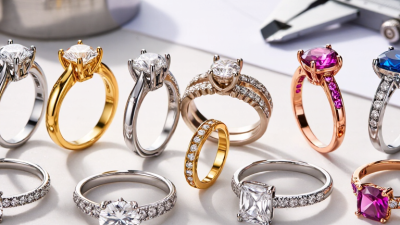
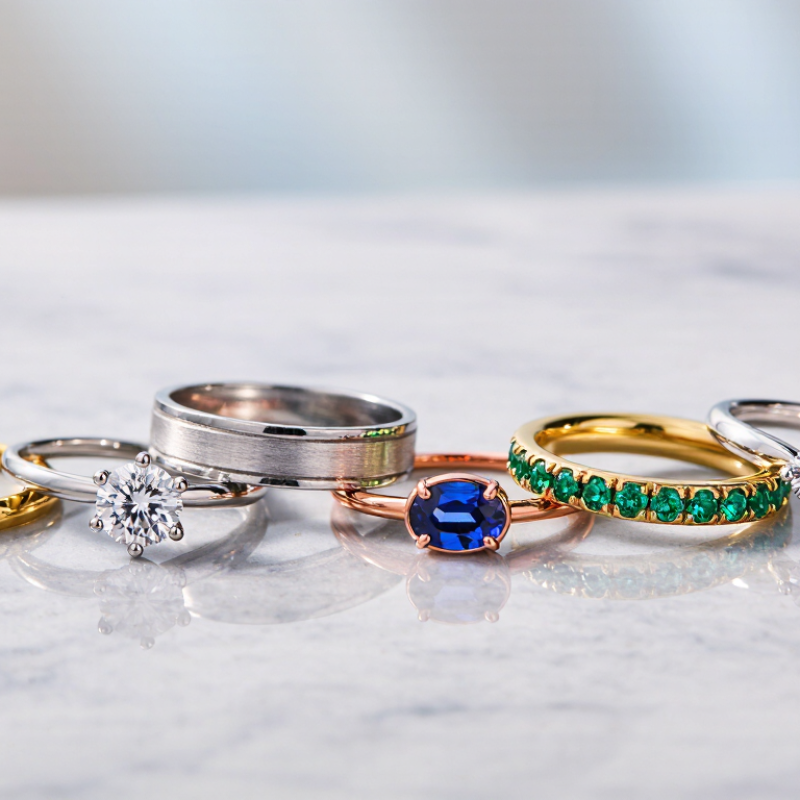
Ring types and their defining features matter more than trend labels in 2026. A solitaire uses one central stone and leaves the setting visually clean. It suits a narrow band and emphasizes the stone’s cut. A halo adds smaller stones around the center, creating extra sparkle and a larger-looking outline. Three-stone rings carry symbolic meaning through three visible gems, while bezel settings surround the stone with metal for stronger protection.

Practical design starts with daily use. A low bezel can reduce snagging on clothing, especially for active wearers. Prongs may reveal more light, but they need regular inspection. Signet rings use a flat or engraved surface and often feel more architectural. Stackable bands allow changing combinations, although uneven heights can create uncomfortable pressure between fingers. Small details matter.

Consumer data supports flexible design. The 2024 Real Weddings Study reported an average engagement-ring spend of about 5,500 U.S. dollars. The World Gold Council’s Gold Demand Trends 2024 also recorded strong jewelry demand despite price pressure. These figures suggest that buyers still value jewelry, but they may expect longer wear and clearer value. I would not treat one report as a universal rule. Personal style, hand shape, maintenance habits, and budget can change the best ring type completely. A beautiful design can still fail if it catches on sleeves or feels heavy by midday.

How to Choose a Ring Type for Its Purpose and Style

2026 Best Ring Types: How to Design a Ring?

Choose a ring by its purpose before chasing a fashionable shape. A daily wedding band needs comfort, strength, and a smooth inner surface. A signet ring can feel bolder, especially with a flat top and engraved detail. An engagement ring usually centers attention on the stone, while a stackable ring should sit neatly beside other bands.

Think about real routines. If your hands work with tools, choose a lower setting that catches less often. For frequent hand washing, avoid deep grooves that collect soap and dust. A wider band may suit larger hands, but a slim band can look balanced on shorter fingers. Try several widths in natural light. Store photos can mislead.

Fit matters more than most people expect. Measure when your hands are warm, not after exercise or cold exposure. Ask a qualified jeweler to check sizing, metal durability, and stone security. Sensitive skin may need a carefully selected metal. Prongs require regular inspection, especially on rings worn every day. Small scratches are normal. Perfect surfaces are not.

Your style can guide the design, but it should not control every decision. Mix polished and brushed finishes for quiet contrast. Add a personal engraving inside the band if the outer design feels too busy. I would not choose a ring only because it photographs well. Its edge may pinch, or its weight may become tiring after several hours. Wear a sample for a full day when possible, then reconsider the details that bothered you.

2026 Best Ring Types: How to Design a Ring?

Typical visible band-width ranges help match a ring type to its purpose and style. Narrower bands usually suit delicate, everyday designs, while wider bands create a bolder visual presence.

Width ranges are common jewelry-design guidelines in millimeters, not fixed rules. Finger size, stone dimensions, comfort, and personal style should be considered before finalizing a ring design.

How to Plan a Ring Design from Concept to Details

2026 Best Ring Types: How to Design a Ring

How to Plan a Ring Design from Concept to Details

A strong ring design begins with a daily-life question: where will it be worn? A solitaire suits clean styling and easy maintenance. A bezel setting protects the stone during active work. A halo setting adds visual volume, but it needs careful cleaning around the smaller stones. McKinsey’s State of Fashion 2024 identified jewelry as the fastest-growing fashion category by unit sales through 2028. That trend rewards personal design, not random decoration. I would begin with a mood board showing metal color, stone shape, texture, and three reference rings. Keep one clear idea.

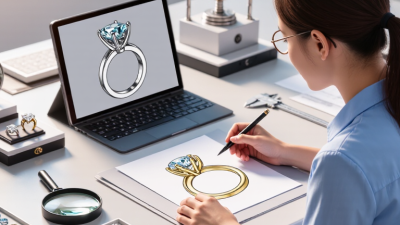
Budget should guide the structure before decoration begins. The Knot’s 2023 Real Weddings Study reported an average U.S. engagement-ring spend of about $5,500. That figure is a reference, not a target. Choose the stone first, then reserve money for the setting, labor, resizing, and future repairs. Ask for a written specification, including measurements, metal purity, stone treatment, and warranty terms. GIA guidance also supports documenting gemstone identity and treatment information. Details matter. A 1.5-millimeter band may look elegant, yet it can feel fragile for constant wear. A first sketch often fails. Test a wax or digital model on the hand, check the gallery height, and inspect the inner edges. If the ring catches on fabric, revise it before production. Personalized engraving can add meaning, but excessive detail may reduce comfort and readability.

2026 Best Ring Types: How to Design a Ring? — How to Plan a Ring Design from Concept to Details
Ring Type Core Design Concept Common Stone Arrangement Planning Stage Key Design Details Practical Strengths Potential Limitations Best Suited For
Solitaire A single center stone creates a clean focal point and emphasizes the stone’s shape, size, and brilliance. One center stone held by prongs, a bezel, or a partial bezel. Concept
  • Choose the center-stone shape first.
  • Set the band width in proportion to the stone.
  • Check prong placement and side-view height.
Timeless appearance, simple visual structure, and relatively easy resizing for many band designs. Exposed stones may be more vulnerable to impact, especially when the setting is high. Minimalist designs, engagement rings, and everyday wear.
Halo A central stone is surrounded by smaller stones to create a larger-looking outline and additional sparkle. One center stone with a single or double circle of accent stones. Proportion
  • Match the halo shape to the center stone outline.
  • Keep the halo gap even around the center stone.
  • Plan cleaning access beneath the accent stones.
Enhances the visual footprint of a smaller center stone and offers strong decorative impact. More small stones and settings require additional maintenance and careful cleaning. Statement designs and vintage-inspired or glamorous styles.
Three-Stone Three stones represent a balanced composition often associated with past, present, and future. One larger center stone flanked by two side stones. Composition
  • Set a clear size relationship between the center and side stones.
  • Align the stone heights for a smooth profile.
  • Review how the side stones affect adjacent fingers.
Strong symbolism, balanced layout, and flexibility in stone shapes and colors. Wide arrangements can reduce space for stacking bands or cause side contact between rings. Milestone rings, anniversary designs, and meaningful custom pieces.
Bezel-Set A continuous metal rim surrounds the stone’s edge for a sleek outline and added protection. One or more stones fully or partially enclosed by metal. Security
  • Specify the exact stone measurements before modeling.
  • Design the rim to cover the girdle without hiding excessive surface area.
  • Confirm that light can reach the stone where appropriate.
Provides strong edge protection and a smooth profile with fewer exposed prongs. The metal rim can visually reduce the stone’s outline and may make replacement or resetting more specialized. Active lifestyles, modern designs, and low-profile rings.
Pavé Many small stones are set closely together so the surface appears continuously covered with sparkle. Small stones held by tiny beads or shared metal settings along the band or head. Surface Detail
  • Define the stone size, spacing, and edge treatment.
  • Leave enough metal between settings for structural support.
  • Inspect the inner band for comfort and smooth finishing.
Creates high brilliance across a relatively narrow surface and works well with curved profiles. Small settings can wear over time, and exposed stones may require periodic inspection. Decorative bands, halo surrounds, and high-sparkle designs.
Eternity Band Stones continue around the full circumference of the band to create an uninterrupted pattern. Repeated stones in shared-prong, channel, bezel, or bead settings. Wearability
  • Measure finger size carefully because full eternity bands are difficult to resize.
  • Choose a setting that balances comfort and stone exposure.
  • Plan the underside for cleaning access and ventilation.
Consistent visual impact from every angle and no visible plain section. Resizing is limited, and stones on the underside may contact surfaces during daily wear. Anniversary rings, wedding bands, and coordinated ring stacks.
Channel-Set Stones sit between two parallel metal walls, producing a smooth surface with minimal protrusion. Uniform rows of small stones set into a continuous channel. Structure
  • Maintain consistent channel width and stone diameter.
  • Design secure end stops to prevent stone movement.
  • Round and polish the channel edges for comfort.
Low snag risk and a clean geometric appearance suitable for daily wear. Repairing or replacing individual stones can be more complex if the channel is damaged. Wedding bands, geometric styles, and understated matching sets.
Cluster Several stones are grouped closely to form a larger floral, starburst, or sculptural visual motif. Multiple stones of equal or varied sizes arranged around a central point. Shape Language
  • Establish the overall silhouette before selecting every stone.
  • Balance stone colors, sizes, and heights.
  • Check gaps between stones to reduce dirt accumulation.
Offers strong character, flexible color combinations, and an apparent larger surface area. Complex arrangements may have more exposed edges and can be harder to clean thoroughly. Artistic, floral, vintage-inspired, and colorful custom designs.
Signet A broad top panel provides a surface for a monogram, emblem, engraving, or flat decorative composition. Usually a flat, oval, round, square, or shield-shaped panel with no required center stone. Personalization
  • Choose the top-panel shape and orientation.
  • Set engraving depth and letter spacing before production.
  • Balance the top size with the wearer’s finger and daily activities.
Durable visual identity, substantial feel, and broad room for engraving or surface texture. Large top panels can feel heavier and may rotate if the fit is not carefully planned. Personal symbols, heirloom-style pieces, and gender-neutral designs.
Tension-Style The stone appears suspended between the opposing ends of the band, creating an open and modern appearance. One center stone held by precisely engineered pressure and supporting metal structures. Engineering
  • Require exact stone dimensions and calibrated metal tolerances.
  • Perform professional stress and security checks before finishing.
  • Plan resizing carefully because the setting depends on precise geometry.
Distinctive floating effect, strong light exposure, and a contemporary profile. Highly dependent on accurate engineering; resizing and stone replacement can be restrictive. Modern custom designs and visually architectural rings.
Toi et Moi Two prominent stones sit together as a paired focal point, emphasizing contrast and partnership. Two stones of similar or different shapes, colors, or sizes arranged at an angle or side by side. Relationship
  • Decide whether the stones should match or contrast.
  • Coordinate their heights to avoid collisions during wear.
  • Design the bridge and shoulders to support both settings.
Highly personal composition with many options for color and shape contrast. Asymmetrical layouts can be more difficult to balance, stack, and protect from impact. Symbolic gifts, alternative engagement rings, and expressive custom designs.

How to Select Metals, Gemstones, and Setting Styles

Choosing a ring begins with the metal, not the gemstone.
Platinum offers strong prongs and a naturally white surface. Gold gives more color and flexibility. For daily wear, 14K gold often balances durability and price. The World Gold Council reported 4,974 tonnes of total gold demand in 2024, including over-the-counter activity. That figure shows gold remains a major jewelry material, but demand does not guarantee quality. Ask for metal purity, recycled-content details, and responsible sourcing records.

Gemstone selection should match lifestyle and meaning.
Diamonds resist scratching well, while sapphires offer strong color and excellent durability. Softer stones may need protective settings. The 2024 Real Weddings Study reported an average engagement-ring spend of about $5,500 in the United States. That number is useful, not universal. A smaller stone with excellent cut quality can look brighter than a larger, poorly cut stone. I have seen buyers focus too much on carat weight. It is an easy mistake.

Tips: Choose a bezel or low-profile setting for active hands. Select prongs that do not catch on clothing. Request an independent grading report for valuable stones. Check the ring from the side, not only from above. Ask how often the setting needs inspection. A perfect design may still feel wrong if it irritates your finger. Test comfort before paying.

How to Refine, Produce, and Evaluate the Finished Ring

Designing a strong ring begins with its daily purpose, not only its appearance. A slim band suits quiet, low-maintenance wear. A halo or signet design creates stronger visual impact. The Knot’s 2024 Real Weddings Study reported an average engagement-ring spend of about $5,500. That figure makes material planning essential.

Refining starts with proportion, weight, and finger comfort. I check the inner curve with a sizing gauge, then inspect the setting under magnification. A six-prong setting may improve stone security, while a bezel can reduce snagging. Production should control wall thickness, casting porosity, and metal shrinkage. World Gold Council data recorded global gold jewellery demand at roughly 1,877 tonnes in 2024. Material efficiency matters.

Evaluation needs more than a bright photograph. I test the ring on fabric, paper, and a hard work surface. The prongs should not catch. The band should sit level. Edges need smooth contact, especially near the palm. I once approved a polished prototype too quickly. Later, a slight inner ridge became uncomfortable after an hour. That mistake changed my inspection routine. I now photograph each angle, record measurements, and compare the finished piece with the original drawing. Still, no checklist replaces wearing the ring.

one of a kind
Create a One Of a Kind

CUSTOM CRAFTED TIMELESS JEWELRY​

With our award-winning goldsmiths, the end result will be a tailor-made heirloom you and your loved ones will treasure for generations. Together we walk through the design process. We listen to you carefully. Discuss what you want and what you don’t, and provide an excellent collaborative experience to bring your vision to life.

location
We invite you to visit us today

Let us show you

From the moment you walk in, you are treated like family. We will make your jewelry shopping experience easy and help you find the perfect piece.

search