10 Tips for Buying Personalized Engagement Rings

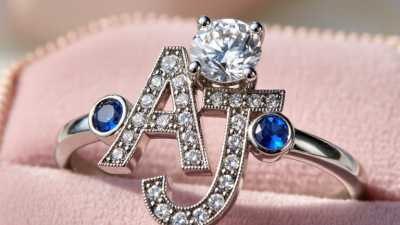
Buying a ring for a lifelong promise should feel personal, not rushed or overly polished. Personalized engagement rings can reflect a partner’s initials, a meaningful date, or the shape of a shared memory. However, customization adds decisions, costs, and possible disappointments.

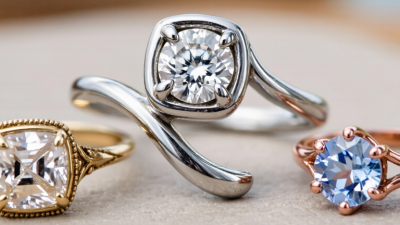
Jewelry designer Anna Sheffield has said, “The ring should be a reflection of the person wearing it.” That idea matters when choosing a stone, metal, setting, and engraving. A delicate oval diamond may suit someone who prefers quiet details. A bezel setting may work better for an active lifestyle. These choices should match real habits, not only online photographs.

This guide, “10 Tips for Buying Personalized Engagement Rings,” focuses on practical decisions before placing an order. It explains how to set a realistic budget, verify gemstone quality, compare metals, and check a jeweler’s customization process. It also considers sizing, repair policies, delivery timelines, and independent certification. Small details matter. A hidden engraving still needs accurate spelling.

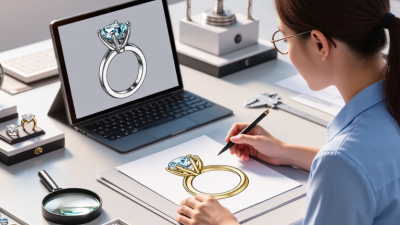
Personalization is not automatically better. Sometimes, adding too many symbols makes the design feel crowded. A buyer may also choose a fashionable style that does not suit the wearer. That mistake can be expensive and emotionally difficult. Take measurements carefully. Request a digital sketch or wax model when available. Ask what happens if the finished ring differs from the approved design.

The best choice balances sentiment, durability, comfort, and transparent service. It may not look perfect in the first sketch. That is normal. Thoughtful questions can turn uncertainty into a ring that feels genuinely shared.
10 Tips for Buying Personalized Engagement Rings

Define Personalization Goals and Set the Budget: The Knot Reports a $5,500 Average

Define your personalization goals before browsing rings. Do you want a meaningful engraving, a distinctive gemstone, or a practical setting for daily wear? Write down two priorities. More can create confusion.

The Knot’s 2023 Real Weddings Study reports an average engagement-ring spend of $5,500. That figure is a reference point, not a requirement. Your income, savings, and timeline should guide the decision. Set a firm ceiling, then reserve 10% for resizing, maintenance, or unexpected design changes. A beautiful sketch can exceed the original estimate quickly.

GIA’s consumer guidance emphasizes the 4Cs: cut, color, clarity, and carat weight.
In practice, cut often affects visible sparkle more than size alone. Compare stones under neutral lighting, not only bright showroom lamps. Ask for independent grading documentation, treatment details, and the return terms in writing.

Personalization also changes cost: custom settings may require extra design time, while unusual proportions can limit future repairs.

I once saw buyers focus on an engraved message and overlook the ring’s thickness. It looked perfect on paper, but felt uncomfortable during ordinary tasks. Try a similar shape before ordering. Keep the symbolism, but question the compromises.
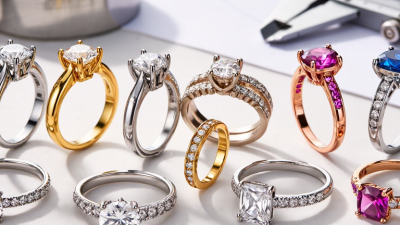
Compare Natural and Lab-Grown Diamonds Using GIA Standards and Market Data

When buying a personalized engagement ring, compare diamonds by measurable quality, not appearance alone. A well-cut stone can look brighter than a larger, poorly cut diamond. Check the current GIA report, report number, carat weight, color, clarity, and cut details. For lab-grown diamonds, confirm whether the report uses the 4Cs or a newer assessment format.

Look closely at two stones under identical lighting. Notice the sparkle, faint color, and inclusions near the center. Small differences matter. Market data generally shows lab-grown diamonds cost less at purchase, while prices can change quickly as production improves. Natural diamonds often carry stronger rarity-based demand, but resale value is never guaranteed. Be careful with confident promises.

Personalization adds practical questions. A low-profile setting may suit daily work, while a raised design can catch on clothing. Ask how the chosen setting affects light return and maintenance. Compare diamonds with similar proportions, not just the same carat weight. Request clear return terms and independent documentation. I would also leave room for doubt: online photographs can exaggerate fire, and a grading report cannot measure emotional appeal. The most suitable ring balances verified quality, budget, comfort, and the wearer’s actual habits.

Evaluate the 4Cs, Diamond Shapes, and Certification Before Choosing

A personalized engagement ring should begin with the diamond, not the setting. The 4Cs—cut, color, clarity, and carat weight—help you compare stones fairly. Cut usually deserves close attention because it controls brightness and sparkle. A well-cut diamond can appear more lively than a heavier, poorly cut stone. Color grades show warmth, while clarity describes internal and surface features. Small inclusions may be invisible without magnification.

Carat is weight, not direct size. Two diamonds with the same carat can look different because of their proportions and shape. Round stones often return strong light, while oval, pear, and marquise shapes can appear larger from above. Emerald and baguette cuts emphasize clean lines, so visible inclusions may matter more. Consider your partner’s hand, lifestyle, and preference for sharp corners. I once focused too heavily on sparkle and overlooked everyday comfort. That was a useful mistake.

Certification adds an independent reference to the purchase. Read the report carefully, including the grading date, measurements, proportions, and clarity comments. Match the report number with the laser inscription when available. A certificate does not guarantee a diamond’s beauty or future resale value. It records observed characteristics under specific grading conditions. Ask to inspect the stone under neutral lighting and request a return period in writing. Tiny details matter. A trusted jeweler should explain the report without rushing you, and should disclose any treatments or significant durability concerns before payment.

Select Metal, Setting, Size, and Engraving for Comfort and Durability

When buying a personalized engagement ring, choose the metal with daily wear in mind. Platinum feels substantial and usually resists metal loss, while gold offers more color and weight options. Ask about alloy contents, especially if the wearer has sensitive skin. A comfortable ring should not pinch, spin constantly, or leave a deep mark. Fit comes first.

The setting controls both comfort and durability. Low-profile bezels protect the center stone and catch less on clothing. Prong settings allow more light, but their tips need regular inspection. I once underestimated how often a raised setting could snag on knit sleeves. That mistake changed my preference for active lifestyles. Measure the finger at a normal temperature, not after exercise or in cold weather. A ring should slide over the knuckle with slight resistance. Small details matter.

Engraving adds meaning, but it also needs practical limits. Short text stays clearer than a crowded message. Choose a simple font and confirm spelling before production. Deeper engraving may weaken a very thin band, while shallow engraving can fade through years of friction. Leave room for future resizing, because resizing can distort or shorten the inscription. Ask a qualified jeweler about band thickness, setting maintenance, cleaning methods, and written service terms. Personalization is valuable, but permanence deserves a second look.

Verify Sourcing, Consumer Disclosures, Warranty, Resizing, and Insurance

Personalization makes an engagement ring feel deeply personal, but details deserve careful checking. Ask where the metal, gemstones, and recycled materials came from. Request written sourcing information, not only a confident verbal promise. If a stone has a grading report, confirm its number and issuing laboratory. An independent gemologist can review proportions, treatments, and durability.

Read every consumer disclosure before paying a deposit. It should explain the final price, customization limits, delivery date, and return conditions. Some designs cannot be returned after engraving or resizing. That detail matters. A common mistake is trusting attractive photographs more than written terms. Keep invoices, design sketches, stone descriptions, and payment records together.

Review the warranty line by line. Does it cover loose stones, manufacturing defects, polishing, or only certain settings? Ask who pays shipping and inspection fees. Confirm whether resizing is included, limited, or excluded for intricate bands. Get the recommended size professionally measured, preferably at different times of day. Fingers change slightly. It happens.

Insurance also requires practical preparation. Ask an insurer what appraisal format, photographs, and security information they need. An independent appraisal should describe the ring accurately, including metal purity, stone measurements, treatments, and identifying marks. Update the appraisal after major market changes or significant repairs. Store copies securely, but avoid sharing detailed security information casually. Small omissions can become expensive surprises. Take time to question anything unclear, even if the ring feels emotionally irresistible.

one of a kind
Create a One Of a Kind

CUSTOM CRAFTED TIMELESS JEWELRY​

With our award-winning goldsmiths, the end result will be a tailor-made heirloom you and your loved ones will treasure for generations. Together we walk through the design process. We listen to you carefully. Discuss what you want and what you don’t, and provide an excellent collaborative experience to bring your vision to life.

location
We invite you to visit us today

Let us show you

From the moment you walk in, you are treated like family. We will make your jewelry shopping experience easy and help you find the perfect piece.

search