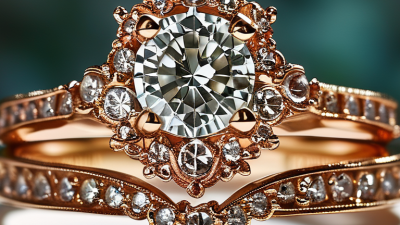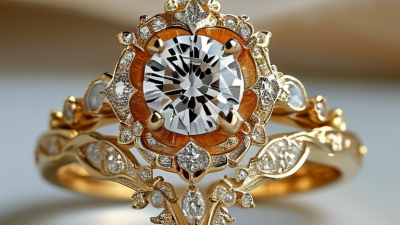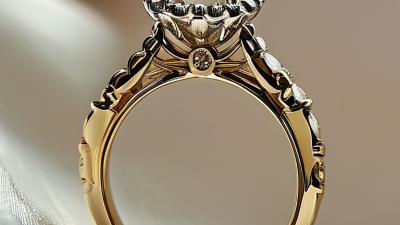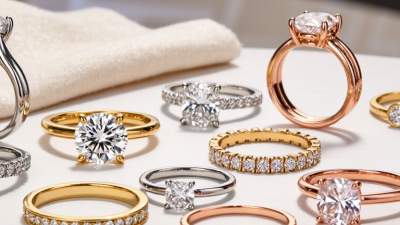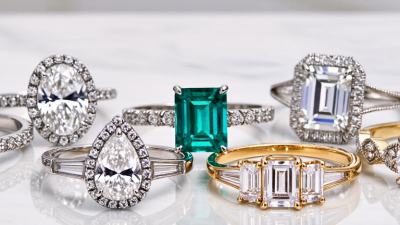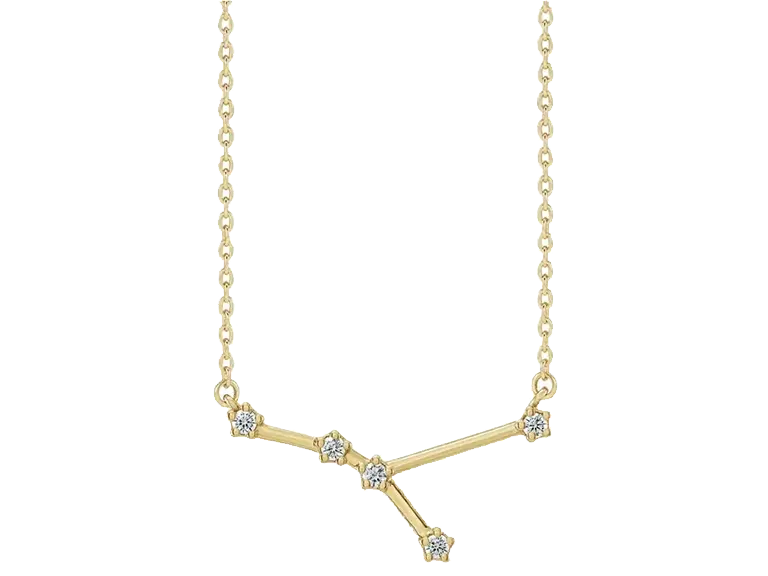
China’s engagement-ring market brings together traditional goldsmithing, modern workshops, and a wide range of design styles. Shoppers may find delicate pavé bands, sculptural settings, and classic solitaire rings in warm gold or platinum. The best nice engagement rings are not simply the most expensive or elaborate. They balance personal taste, comfortable proportions, dependable materials, and clear information about the center stone.
Frances Gerety, the jewelry advertising copywriter behind the famous line, “A Diamond is Forever,” understood how much meaning people attach to a ring. Her words are memorable, but a lasting choice still needs practical checks. Look closely at stone details, metal purity, setting security, sizing options, and the seller’s after-sales support. For diamonds, request a grading report from a recognized gemological laboratory and confirm that its details match the stone being offered. For colored gems, ask about treatments and disclose any uncertainty before buying.
This guide explores Chinese designs, popular settings, material choices, and ways to assess quality without relying on appearance alone. A bright showroom light can flatter almost any stone. Not every ring will suit every hand, budget, or daily routine. That matters. We will also consider questions worth asking sellers and trade-offs buyers sometimes overlook, including delicate settings that may need extra care. A small caveat: product descriptions can sound polished, while the details remain incomplete. Take time to verify them.
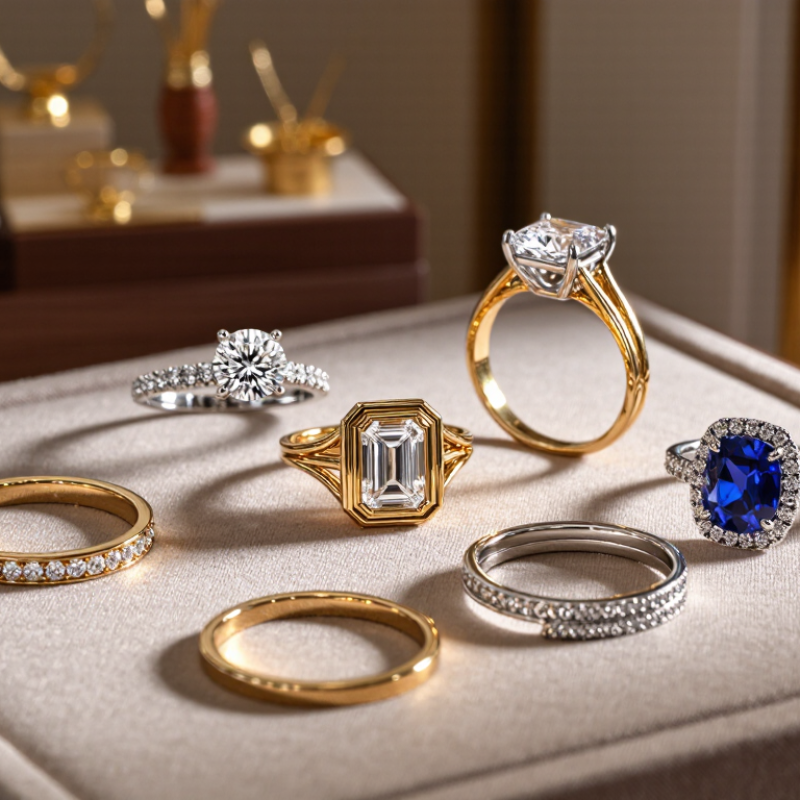
Chinese engagement rings can pair clean, modern settings with details drawn from local design traditions. A slim gold band might carry a subtle cloud pattern, while a small engraved symbol adds personal meaning without dominating the stone. Some couples also choose jade accents or colored gemstones alongside diamonds. The result depends on the maker and the couple’s taste, not on one fixed national style. Small details matter.
Precise stone setting, smooth finishing, and made-to-measure proportions can make a ring feel thoughtful in daily wear. Ask how the stone is secured and whether the metal and gemstone details are documented. Cultural motifs can be beautiful, but they may feel crowded when several appear together. I would choose one meaningful detail and leave the rest quiet.
Tips: Try the ring in natural light and check its fit with your partner’s usual activities. Request clear information about materials, sizing, and care. If a design element has cultural significance, ask what it represents rather than assuming its meaning. A little uncertainty is worth discussing before the ring is made.
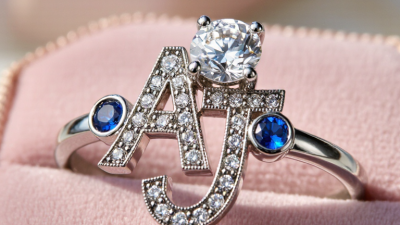
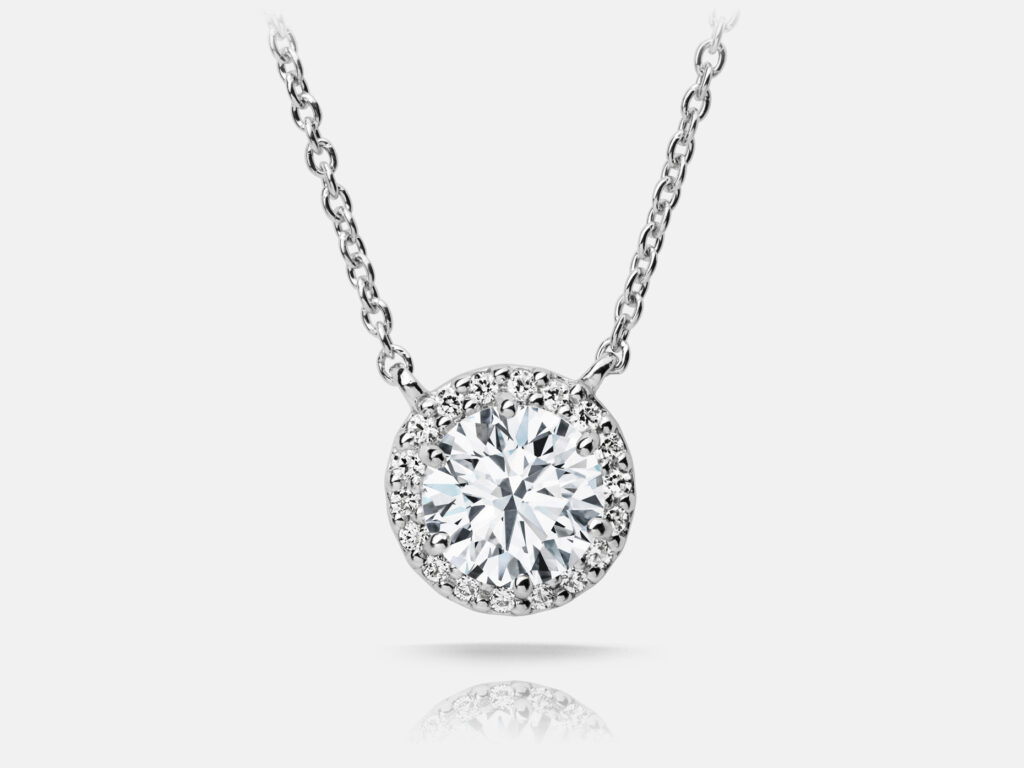
Nice engagement rings from China often pair clean settings with detailed metalwork. A slim yellow-gold band can make a round diamond feel warm, while a platinum or white-gold setting gives it a cooler look. Halo designs add visible sparkle, and pavé bands create a fine line of light along the finger. Some designs borrow floral curves or lattice patterns from traditional Chinese ornament. Others use a small jade accent, which can add color without competing with the center stone. Small details matter. A delicate ring may look lovely in a display case but feel fragile with daily wear.
Tips: Check the prongs, band thickness, and stone setting before choosing. Ask for clear details about metal purity and gemstone grading, and compare the ring’s measurements with your preferred fit. Consider how the design feels between your fingers, not only how it photographs. Not every design works.
For a balanced choice, match the center stone’s size to the band rather than judging by carat weight alone. A low-profile setting may catch less on clothing, while a raised setting can show more of the stone. Confirm whether the ring can be resized; intricate pavé or patterned bands may limit adjustments. I’d also look at the ring in natural light, because showroom lighting can make small stones appear brighter than they do outdoors. A little uncertainty is normal: the most ornate option is not always the most comfortable one.
When comparing engagement rings made in China, start with the metal, not the shine. Check whether the ring is 18-karat gold, platinum, or another alloy, and ask for clear documentation of its composition. A bright finish can look convincing in photos. It does not confirm durability. Also consider daily wear: a slim band may feel elegant but show scratches sooner.
For gemstones, compare cut, color, clarity, and carat weight in person when possible. Ask whether a stone is natural or laboratory-grown, and request a report from a qualified gemological laboratory when appropriate. Look closely at the setting. Prongs should sit evenly, with no sharp edges or visible gaps. The underside matters, too; a smooth finish often feels more comfortable against the skin. I would not judge craftsmanship from a single image. Lighting can hide small flaws, and even careful makers can vary.
Tips: Request close-up photos and written metal and gemstone details before ordering. Check sizing and resizing terms. If the seller’s answers feel vague, pause and compare another ring. A little hesitation is useful.
Choosing a nice engagement ring from China starts with your partner’s daily habits, not a trend. Notice whether they wear yellow gold, white metals, or simple jewelry. A low-profile setting may suit someone who works with their hands. Ask about preferences casually, or compare styles together. Keep the budget comfortable; include possible resizing, taxes, and delivery costs before deciding. No ring is worth financial strain.
Check the details, not just the product photos. Confirm the metal type and purity, stone measurements, setting materials, and whether a diamond report comes from an independent grading laboratory. Ask for clear images in natural light and written return and resizing terms. For overseas orders, verify shipping insurance and delivery estimates. Small details matter. A polished listing can still leave questions unanswered, so pause if the seller avoids specific answers.
Tips: Measure a ring your partner already wears on the correct finger, but remember sizing varies by design. Compare the quoted stone and metal specifications with the final invoice. Save all messages and documents. I might be overcautious here, but a few extra questions can prevent an expensive mismatch.
What Are the Best Nice Engagement Rings from China?
What to Check When Buying from a Chinese Jeweler
A beautiful listing is only a starting point. Ask for the ring’s exact metal fineness, stone measurements, and a detailed invoice. Check that the metal mark matches the stated gold or platinum content. For a graded diamond, request the grading report number and verify it with the issuing gemological laboratory. Compare the report’s carat weight, dimensions, and identifying inscription with the stone you will receive. A report describes a stone; it does not guarantee the seller’s price or service.
Details matter. The World Gold Council’s Gold Demand Trends: Full Year 2023 reported 630 tonnes of gold jewelry demand in China, up 10% from 2022. That figure describes a large jewelry market, not the quality of any individual ring. Ask whether the setting uses solid precious metal or a plated material, and get the answer in writing. Request clear close-up photographs of the hallmark and prongs. A polished showroom can still leave questions unanswered.
Before paying, confirm the return window, resizing charges, delivery insurance, and what happens if the ring arrives with a loose stone or incorrect size. Get the final price and shipping terms in writing, too. Keep copies of the invoice and product specifications. I would pause if a seller avoids basic questions, even when the photos look convincing. That hesitation is sensible.
| Ring Style | Typical Design | What to Check | Useful Documentation |
|---|---|---|---|
| Classic solitaire | One center stone held by prongs or a bezel, usually on a plain band. | Confirm the center stone’s shape, measurements, and setting style. Ask whether the prongs are securely finished and whether the stone sits at a height that suits everyday wear. | Written stone specifications; a grading report for a significant diamond; order details listing metal, ring size, and stone type. |
| Halo | A center stone surrounded by a border of smaller stones. | Check that the halo is evenly set and that small stones are secure. Ask whether the stated center-stone weight excludes the surrounding stones. | Separate center-stone and total-carat-weight details; a close-up photo or video of the finished ring. |
| Three-stone | A center stone flanked by two side stones, which may match or complement it. | Verify the dimensions and type of all three stones, their orientation, and whether the side stones are included in the quoted total weight. | Itemized stone specifications and a final design drawing or approved CAD rendering. |
| Pavé band | Small stones set along part or all of the band. | Ask how far the pavé extends, whether the band can be resized, and how the seller handles loose or missing accent stones. | Written setting and maintenance terms; confirmation of the exact band design and ring size. |
| Bezel setting | A rim of metal surrounds the edge of the center stone. | Confirm that the bezel is designed for the stone’s shape and dimensions. Review the finished profile to check how much of the stone’s edge is covered. | Approved CAD or design drawing; center-stone measurements and metal specifications. |
| Metal choice for any style | Common options include 14-karat gold, 18-karat gold, and platinum. | Look for clear descriptions such as 14K or 585, 18K or 750, and platinum 950. Confirm the metal’s color and purity in writing; do not rely on appearance alone. | Invoice stating metal type and purity; applicable hallmark or assay information for the item and destination market. |
| Diamond or alternative gemstone | Center stones may be natural diamond, laboratory-grown diamond, moissanite, or another gemstone. | Confirm the exact stone type and whether a diamond is natural or laboratory-grown. For a diamond, compare the stated carat weight, color, clarity, cut, and measurements with its report. | Independent grading report where applicable; written disclosure of stone origin and type; report number that can be checked with the issuing laboratory. |
| Cross-border purchase checks | Details vary by seller, shipping method, and destination country. | Confirm the production timeline, shipping method, import charges, return window, resizing policy, and responsibility for insured return shipping before paying. | Written order confirmation, shipping and return terms, insurance details, and a final inspection photo or video before dispatch. |
With our award-winning goldsmiths, the end result will be a tailor-made heirloom you and your loved ones will treasure for generations. Together we walk through the design process. We listen to you carefully. Discuss what you want and what you don’t, and provide an excellent collaborative experience to bring your vision to life.
From the moment you walk in, you are treated like family. We will make your jewelry shopping experience easy and help you find the perfect piece.