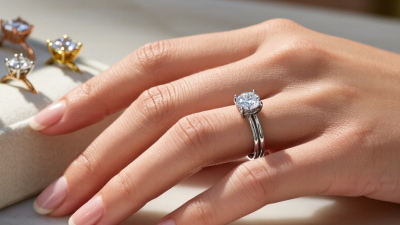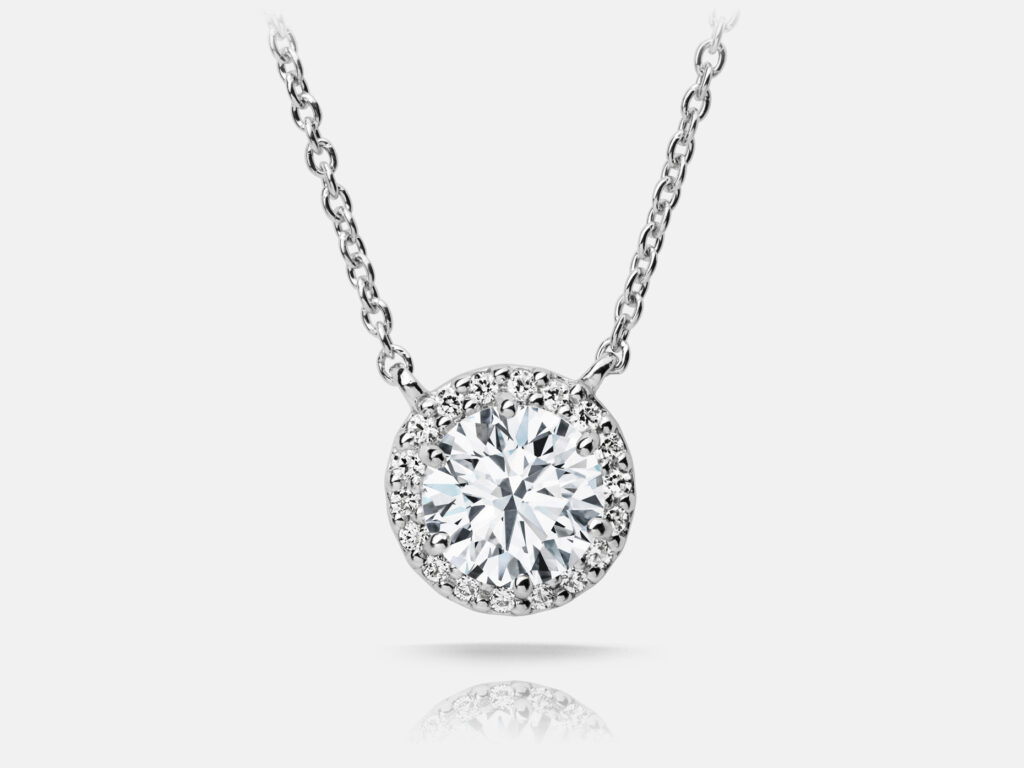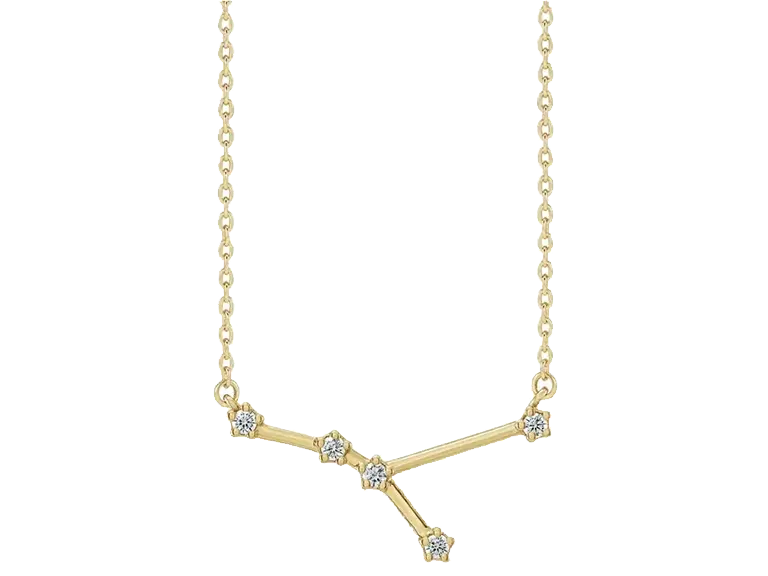
Designing an engagement ring in 2026 is part aesthetics, part practical decision-making. The Knot’s 2024 Real Weddings Study, based on more than 17,000 couples married in 2023, reported an average engagement-ring spend of about $5,500 in the United States. That figure is a benchmark, not a budget rule. A slim platinum band, a low-set oval stone, or a family diamond can matter more than a national average.
Start with the wearer’s daily life. Do their hands meet keyboards, gardening gloves, or workshop tools? A high setting may catch on sleeves; a smooth bezel can feel secure and understated. Then compare stone shapes, metals, and settings in person when possible. Ask a qualified jeweler how the design affects durability, repair, and long-term care. For diamond comparisons, use the GIA’s 4Cs—cut, color, clarity, and carat weight—and request a grading report from a respected gemological laboratory.
GIA gemologist Richard T. Liddicoat helped establish the modern diamond-grading system, but no verified, directly relevant quotation from him was supplied for this brief. It would be misleading to invent one. The useful principle remains: evaluate the stone and the setting separately, then judge how they work together. A beautiful sketch is only the beginning. Real fingers, changing light, and everyday wear can reveal details the sketch misses.
A thoughtful design engagement ring does not need to follow a trend perfectly. It should feel personal, wearable, and honestly made.
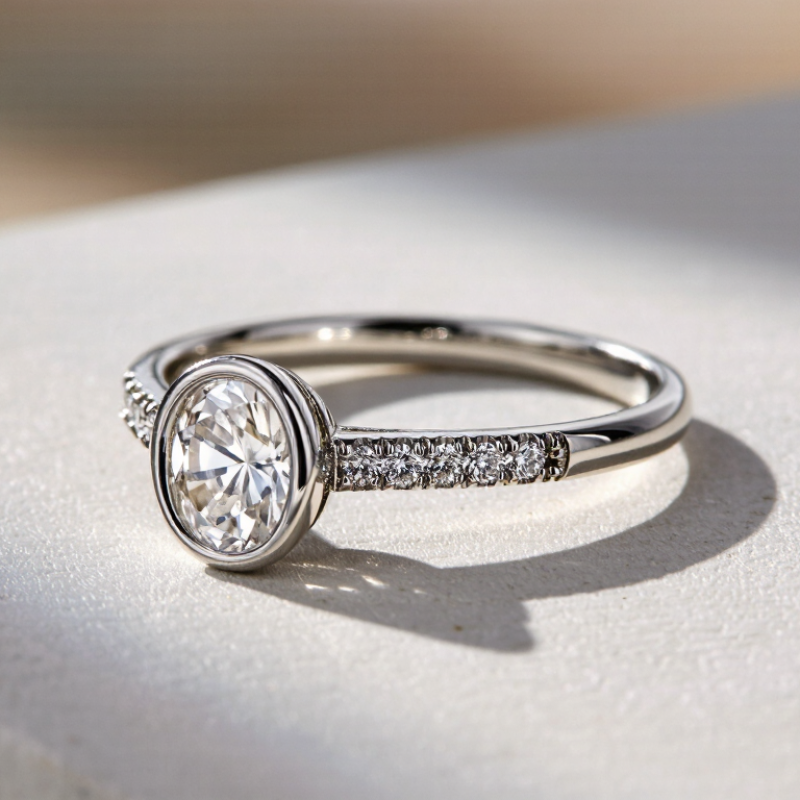
Start by describing what the ring should feel like, not just how it should look. Do you want a quiet, low-profile design or a stone that catches the light across a room? Save a few reference images, then note what they share: shape, color, setting height, or metal tone. Daily habits matter, too. If you work with your hands, exercise often, or wear gloves, a lower setting may snag less. No setting is snag-proof, though. A local jeweler can explain how different designs affect comfort, cleaning, and repair.
Tips: Set a firm budget before browsing. Include the stone, setting, resizing, and likely care costs. Try on sample rings if possible; photographs rarely show how a setting feels between your fingers.
Be clear about your priorities. Perhaps a particular stone shape matters more than size, or a simple band matters more than extra detail. Write down one or two must-haves and where you are flexible. Then compare options within your budget, checking stone documentation and asking how the ring should be maintained. It is easy to get attached to a design that looks perfect online. I’ve seen plans change after someone tries on a taller setting or notices how a band sits beside another ring. That is not failure; it is useful feedback. Revise the sketch before approving the final design.
A 2026 engagement ring begins with a center stone that suits both the wearer’s style and daily routine. Before comparing sparkle, decide on shape, setting height, and a comfortable size. A low-profile setting can feel practical for frequent hand use; a tall setting catches more light, but may snag on knitwear. Small choices matter.
For a diamond, use the GIA 4Cs framework: cut, color, clarity, and carat weight. GIA’s grading system places colorless-to-light diamonds on a D–Z scale and clarity from Flawless to Included 3. These grades help compare stones, but they do not replace viewing one in person. Ask for an independent grading report, then examine the diamond under neutral lighting. Look for lively reflections across the center, not just bright flashes from a display spotlight. A slightly lower color grade may look nearly identical once mounted, while an overly included stone can show visible marks. That trade-off is easy to miss. Compare stones of similar size side by side, and note what your eyes actually notice. Carat measures weight, not face-up spread, so dimensions matter too. GIA’s grading guidance is useful, though choosing a stone still involves personal judgment. I would not treat any single grade as a perfect answer.
In 2026, design the ring around how it will feel and function every day. A solitaire setting keeps attention on the center stone, while a bezel surrounds its edge with metal. Prongs allow more light through, but can catch on knitwear. For active hands, try a lower profile. Try it on.
Metal changes both appearance and upkeep. Platinum is naturally white and develops a soft patina with wear; gold alloys vary in color and hardness. The Knot’s 2024 Real Weddings Study, surveying nearly 17,000 couples married in 2023, reported an average engagement-ring spend of $5,500. Treat that figure as context, not a target: setting complexity and metal choice can shift the budget considerably. Decide which detail matters most before comparing designs.
Band details shape comfort. A narrow band can look delicate, but may feel less substantial over time; a wider band gives more presence on the finger. Pavé stones add sparkle, though their tiny settings may need periodic inspection. A plain band is easier to maintain. Slightly imperfect advice: don’t choose from a photo alone. Check the ring from the side, feel its edge against neighboring fingers, and ask a jeweler about resizing limits before settling on the design.
Precious-metal content in common engagement-ring alloys
14-karat gold is 14 parts gold out of 24, 18-karat gold is 18 parts out of 24, and platinum 950 is 950 parts platinum per 1,000. Use metal choice alongside setting style and band details; precious-metal content alone does not determine a ring’s durability.
Before choosing a stone, define what “responsible” means for this ring. Ask suppliers to document the stone’s origin, metal source, recycled-content claims, and labor standards. The OECD Due Diligence Guidance recommends identifying and addressing risks across mineral supply chains; a certificate alone may not show every step. The scale of the issue matters: the 2022 Global Estimates by the ILO, Walk Free, and IOM found that 50 million people lived in modern slavery in 2021, including 28 million in forced labor. These figures are global, not jewelry-specific. Still, they make clear why vague assurances are not enough.
Make sustainability measurable. Request evidence for recycled metals, and ask how material claims are verified. Consider a smaller stone, a setting that protects its edges, and a band that can be resized or repaired. Less waste helps. It is not a complete solution. A recycled claim does not automatically explain mining impacts, transport, or workshop conditions. Ask for details, and record what remains unknown.
Craftsmanship deserves its own requirements. Specify metal alloy, setting style, prong thickness, finish, and repair options in writing. A jeweler should explain how the design will hold up to daily wear, not just how it looks under bright lights. Request a physical sample or close-up photographs of the setting. Small details matter. Even careful specifications cannot prevent every future repair, but they make quality easier to assess and maintain.
| Design Area | Requirement to Set | Evidence to Request | Practical Design Check |
|---|---|---|---|
| Center Stone Origin | Choose a natural or laboratory-grown diamond, or another gemstone, and require the origin to be clearly disclosed. Do not treat laboratory-grown and natural diamonds as the same origin category. | Written disclosure identifying the stone type and origin category; a grading report where available and appropriate. | Confirm that the description on the invoice and any grading report matches the stone being set. |
| Diamond Sourcing | For a natural diamond, ask about its known supply-chain documentation and the limits of any origin or responsible-sourcing claims. | Available chain-of-custody records and a clear explanation of what they do—and do not—verify. The Kimberley Process addresses conflict diamonds in rough-diamond trade, but it is not a complete guarantee of ethical or environmental performance. | Request specific, verifiable information rather than relying on broad terms such as “ethical” or “conflict-free.” |
| Metal Selection | Specify the metal and alloy, such as recycled gold, newly mined gold, or platinum. Request recycled content claims only when they can be substantiated. | Written metal and alloy details, plus documentation supporting any recycled-content claim. | Check the hallmark or other applicable metal marking, and confirm that the alloy suits the wearer’s needs and care preferences. |
| Stone Quality and Disclosure | Set a budget and priorities for cut, colour, clarity, and carat weight. For coloured gemstones, ask about treatments and whether they require special care. | An independent gemological report when appropriate, with treatment disclosures for coloured stones. | Inspect the stone in different lighting and confirm that its appearance and documented characteristics meet the agreed specifications. |
| Durability and Wearability | Design the setting for the wearer’s daily activities, preferred profile, and comfort. Match the setting style and metal choice to the stone and intended use. | A drawing or digital model showing the setting, stone dimensions, band width, and setting details. | Review snag risk, stone exposure, band thickness, and comfort against neighbouring fingers before approving the design. |
| Craftsmanship and Setting | Define acceptable finishing and setting quality, including secure stone placement, even prongs or bezels, and clean metal surfaces. | Design approval documents and an opportunity to inspect the finished ring before acceptance. | Check that the stone is secure, the setting is symmetrical, and there are no sharp edges, visible gaps, or rough finishes. |
| Repairability and Maintenance | Plan for routine cleaning, setting inspections, resizing, and future repairs. Ask how the design and metal may affect these services. | Written care guidance and clear terms for inspections, repairs, resizing, and service charges. | Confirm that the ring can be maintained without compromising its setting or design, and schedule periodic professional inspections. |
| Final Approval and Documentation | Approve the complete specification before production, including ring size, stone details, metal, finish, and any custom features. | A final written order, stone documentation where applicable, and any available care or workmanship terms. | Compare the delivered ring with the approved specification and keep all records for insurance, care, and future service. |
Review the design at actual scale, not only on a bright screen. Check the stone’s measurements, setting height, band width, and side profile. A top view may hide a tall setting that catches on clothing. Ask for clear images or a model showing the ring from several angles. Confirm that the chosen stone suits the setting and that the prongs appear evenly placed. Small details matter.
Then confirm the fit using the wearer’s usual sizing method. Fingers can change slightly with temperature, so avoid judging from one quick measurement. Check that the band slides over the knuckle and feels secure without pinching. If possible, try a sample with a similar width. A rendering can look convincing while the real ring feels different. That gap deserves attention.
Before production begins, get the final specifications in writing: metal, stone, dimensions, engraving, and any agreed adjustments. Ask what changes remain possible after approval, since workshop policies vary. Read the details slowly. It is easy to focus on the center stone and miss a narrow band or an incorrect finish. If something feels uncertain, pause; a rushed yes is still a guess. Once the design and fit are clear, approve the documented version, not an earlier image.
With our award-winning goldsmiths, the end result will be a tailor-made heirloom you and your loved ones will treasure for generations. Together we walk through the design process. We listen to you carefully. Discuss what you want and what you don’t, and provide an excellent collaborative experience to bring your vision to life.
From the moment you walk in, you are treated like family. We will make your jewelry shopping experience easy and help you find the perfect piece.